Growing Guides
How to Prepare Your Trees For Winter
When winter winds whistle and you’re toasting yourself by the fire, don’t forget about your trees – they definitely need some preparatory love before Jack Frost bites. In gratitude for the bountiful shade these leafy lovelies provide you all spring and summer, give your trees a l
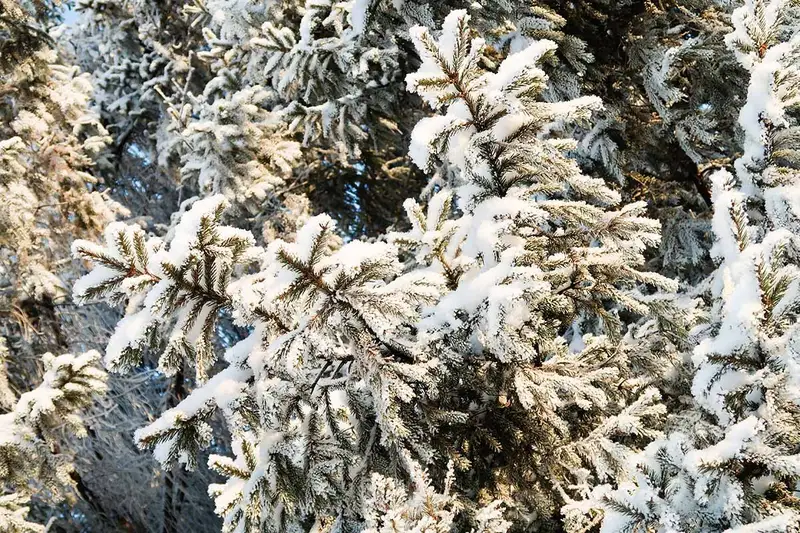
When winter winds whistle and you’re toasting yourself by the fire, don’t forget about your trees – they definitely need some preparatory love before Jack Frost bites.
In gratitude for the bountiful shade these leafy lovelies provide you all spring and summer, give your trees a leg up in their battle against winter’s worst weather.
Even if you live in a place where winter days are more mild than malevolent, winter is a good time to give your trees a little extra attention.
Here are the main steps to take to protect your trees from winter’s chill.
What You’ll Learn
1. Remove Dead Branches
2. Mulch Around the Base
3. Water Deeply in Fall
4. Wrap the Trunk
5. Protect Evergreens
6. Shelter Potted Trees
7. Ongoing Winter Care
8. Deter Hungry Wildlife
1. Remove Dead Branches
Offer your tall beauties a healthy start to winter by making sure they are clear of deadwood, and are well-pruned for their species.
If there are limbs or branches that may pose a danger to your home or walkways, trim, brace, or cable them to provide stability.
That said, save any major pruning for when your trees are fully dormant.
Pruning too early in the fall can spur a flush of tender new growth that won’t have time to harden off before the cold arrives.
For most species, late winter is the ideal time for structural pruning.
2. Mulch Around the Base
Repeated freezing and thawing can cause soil to expand and contract, which can damage roots and heave saplings out of the ground.
To maintain a more constant soil temperature, insulate roots, and slow moisture loss, add two to three inches of mulch around the base of the tree in late fall or early winter.
Take care not to pile mulch directly against the trunk, since the base needs to “breathe.”
Rather than applying it in a volcano shape, you want your mulch to more closely resemble a donut.
If you live where the ground freezes and stays frozen, wait to mulch until the ground has frozen, or else mice may take up residence in your cozy bed of organic material.
3. Water Deeply in Fall
Water trees well throughout the autumn before the ground freezes, especially newly planted ones.
Water acts as an insulator – and plant cells that are swollen with water will be stronger against cold damage.
Additionally, moist soil tends to stay warmer than dry soil, so this can help to protect roots, as well.
A good rule of thumb is to water slowly, providing about 10 gallons for each inch of trunk diameter.
Evergreens need extra attention, since they keep their foliage all winter and continue to lose moisture.
If you go two or three weeks without rain or snow cover, give your trees another drink on a day when the ground isn’t frozen.
4. Wrap the Trunk
“Sunscald” is a term used for injury caused by fluctuating winter temperatures.
Warm winter sun can cause trunk cells to come out of dormancy and become active.
But when temperatures drop below freezing again, active cells and conductive tissues are killed, causing an injury that may result in unsightly scarring.
Thin-barked trees are the most susceptible, including maples, lindens, honey locusts, ornamental cherries, and most fruit trees.
Young trees of any species are also at risk until their bark thickens up.
The same temperature swings can cause frost cracks, long vertical splits that open up when the outer layer of the trunk cools and contracts faster than the wood beneath it.
To prevent sunscald and frost cracks, wrap trunks – especially those of saplings – in a light-colored crepe paper wrap like this one from Hort, available via Amazon.
Wrap upward from the base of the trunk, overlapping layers by one-third.
Wrap the trunk up to just above the bottom set of branches. Remove the paper when winter is over.
Some gardeners paint their trunks white to reflect the sun. But then you have white trunks.
Wrapping them instead is a temporary seasonal solution that requires repeated labor each year, but it’s much more visually attractive.
5. Protect Evergreens
Evergreens face a winter challenge that their deciduous cousins don’t.
Since they hold on to their leaves or needles all year, they continue to lose moisture on sunny or windy winter days, while frozen ground prevents the roots from drawing up water.
The result is winter burn which shows up as brown or bronzed foliage, usually on the side of the tree facing the sun or the prevailing wind.
Consider putting up a burlap windbreak on the south and west sides, or on whichever side takes the brunt of the wind.
Drive a few stakes into the ground around the tree before it freezes and use staples to support the burlap, leaving a little space so the fabric doesn’t rub against the foliage.
Avoid wrapping burlap tightly around the branches, which can trap heat and moisture on sunny days, and skip plastic altogether.
Upright evergreens like arborvitae can also split apart under the weight of heavy snow.
Loosely tying the branches together with soft twine or strips of cloth in late fall will help them hold their shape. Just remember to remove the ties in spring.
6. Shelter Potted Trees
Trees growing in containers need a little extra help.
Their roots are far more exposed to the cold than those of trees in the ground, so a tree that’s perfectly hardy in your garden may not make it through the winter in a pot.
Once they’ve gone dormant, move potted trees to a sheltered spot, such as up against the house or into an unheated garage or shed.
If they need to stay outdoors, group the containers together and wrap the pots in burlap or bubble wrap for extra insulation.
Keep an eye on soil moisture and water whenever the potting mix is dry and not frozen.
7. Ongoing Winter Care
As winter’s fury rages, keep the following ongoing maintenance items in mind:
If you must use ice melt products in the vicinity of your trees, avoid using any that contain sodium chloride.
Rock salt interferes with the roots’ ability to absorb water, oxygen, and nutrients.
Instead, select ice melt products that contain potassium, magnesium chloride, or calcium.
And as heavy storms deposit weighty snow on branches, you’ll want to pull on your galoshes and go out and gently clear the snow from heavily burdened limbs.
Don’t try to break off ice buildup. Instead, hook up a garden hose to a hot water faucet, if possible, and melt the ice off.
8. Deter Hungry Wildlife
The above-described wrapping may also help to prevent hungry critters from snacking.
If not, wrap quarter-inch mesh wire around the base of your tree, burying the bottom a couple of inches deep so the clever stinkers can’t burrow underneath.
We like this product from Yardgard, available on Amazon.
Don’t place the wire too snugly against the trunk, and remove the wire once the spring’s bounty offers other treats for the local wildlife.
Make sure your guard extends at least 18 inches above the expected snow line to prevent rabbits gnawing on bark.
Deer can do even more damage, browsing on buds and branches and rubbing their antlers against trunks in the fall.
If deer frequent your yard, a ring of fencing at least five feet tall around young trees will help keep them at bay.
Ready for Winter
Winter can be brutal on our landscapes.
We can’t promise your forgotten succulents will survive the chill intact, but with a little care and attention, your trees will come out smelling like roses.
Er, well…. You know what we mean!
Prune, mulch, water, and wrap – just a few small preventative tasks will help your trees survive the chilliest of seasons.
How do you winterize your trees? Share in the comments section below.
For more fall and winter gardening tips, check out these guides next:
- 11 Things to Do in the Garden Before Winter
- Learn How to Winterize Roses
- How to Care for Cold-Damaged Forsythia
- Facebook230
- X
© Ask the Experts, LLC. ALL RIGHTS RESERVED. See our TOS for more details. Originally published December 21, 2017. Last updated November 13, 2026. Uncredited photos: Shutterstock.