Vegetable Seeds
Algarve Garden Bean Seeds — for Vegetable Gardens
SKU: 05763-PK-P1
Days to Maturity: 50 in southern latitudes; 60 in northern latitudes Royal Horticulture Society Award of Garden Merit An all-around superior performer, Algarve, an Italian Romano Pole bean, sets plentiful pea-shaped white flowers in spring, followed by masses of very uniform, str
Combine varieties in one inquiry
About this variety
Days to Maturity: 50 in southern latitudes; 60 in northern latitudes
Royal Horticulture Society Award of Garden Merit
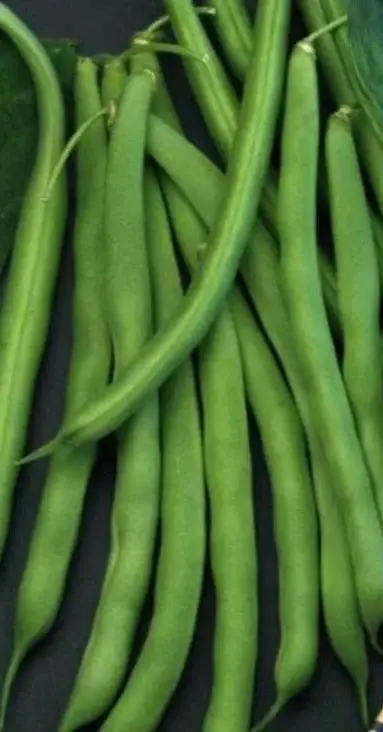
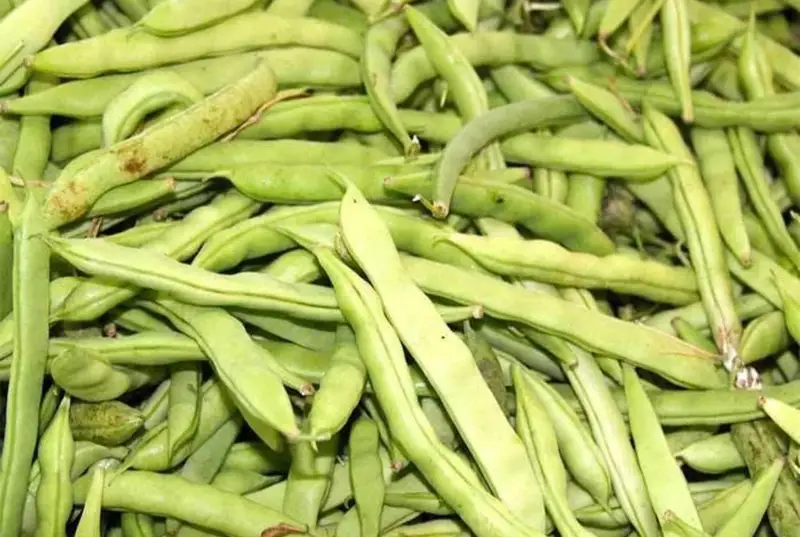
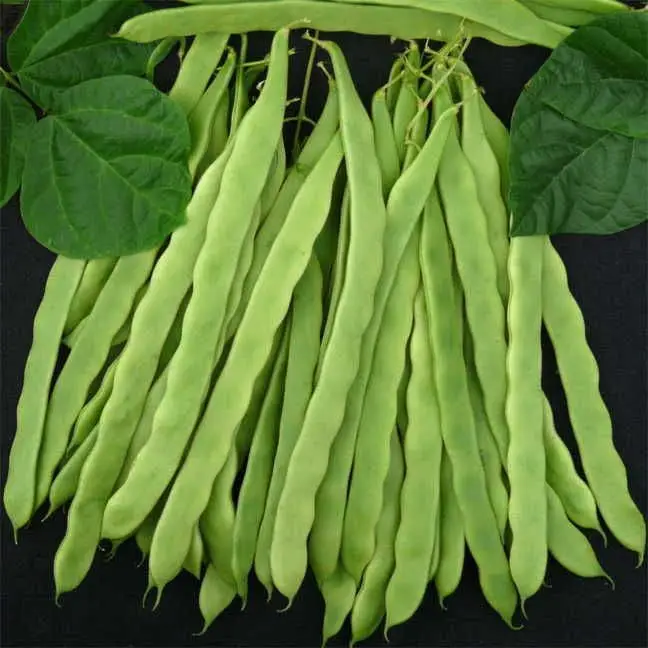
An all-around superior performer, Algarve, an Italian Romano Pole bean, sets plentiful pea-shaped white flowers in spring, followed by masses of very uniform, straight, thin, mid-green pods that reach up to 11 inches long and 1 inch wide. They have a tender bite with phenomenal, award-winning flavor. Completely stringless, the attractive pods look as good as they taste.
Typically grown as an annual, this herbaceous short-lived perennial (Zones 7-11) has a short growing season and performs in many different climates. Algarve is a vigorous, robust indeterminate variety, growing vertically as a graceful flowering vine that requires support, creating height and dimension in the garden. The vine may also be allowed to trail along the ground. Although the plant maintains a small footprint, it produces high yields for about a month. The beans are easy to harvest and earlier than most. Promptly picking the beans before the seeds mature keeps the beans coming.
A shallow-rooted plant, Algarve grows best in a sunny location with moist, fertile, organically rich, well-drained loams. It is resistant to common bean mosaic virus. Self-pollinating, it will bear fruit without any pollen from other varieties.
A warm-season vegetable, sensitive to cold temperatures and frost, it is best direct-sown into warm spring soil after all danger of frost has passed. Succession plant every two weeks until about mid-August to ensure a continual harvest.
Algarve Italian Romano Pole bean seeds can also be started indoors and planted outdoors after the risk of frost has passed.