Herb Seeds
Basil, Greek seeds — for Herb Gardens
Growing Greek Basil: A Guide to This Aromatic Herb Greek basil is a compact, flavorful variety that brings Mediterranean charm to any garden or kitchen windowsill. With its small leaves and delicate flavor, this herb is perfect for both experienced gardeners and beginners looking
Combine varieties in one inquiry
About this variety
Growing Greek Basil: A Guide to This Aromatic Herb
Greek basil is a compact, flavorful variety that brings Mediterranean charm to any garden or kitchen windowsill. With its small leaves and delicate flavor, this herb is perfect for both experienced gardeners and beginners looking to expand their growing collection.
What Makes Greek Basil Special
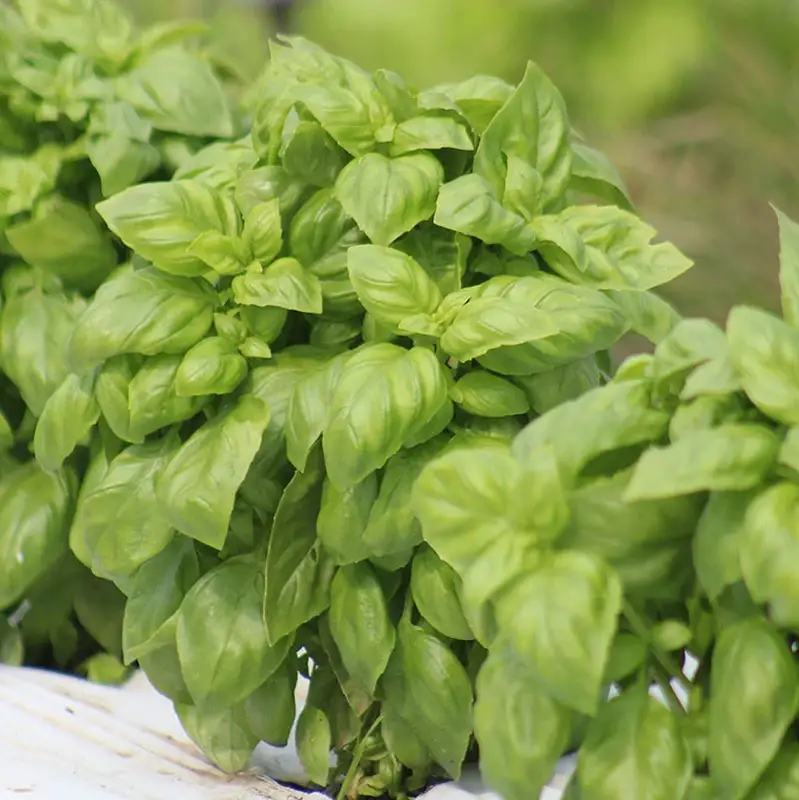
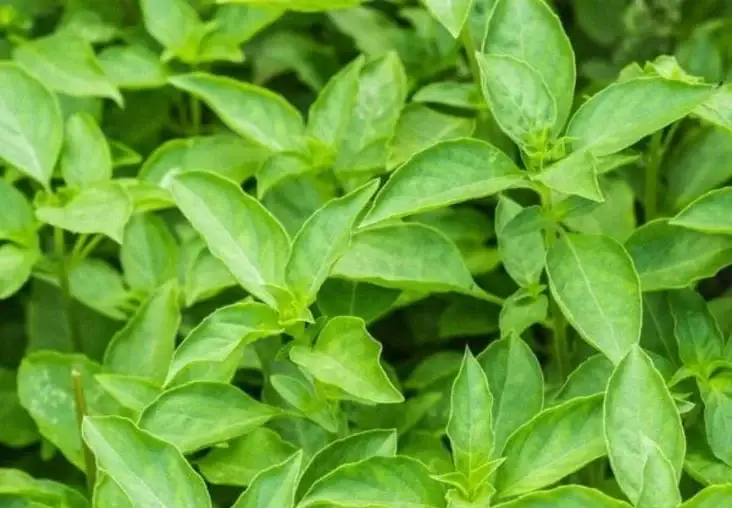
Unlike its larger Italian cousins, Greek basil produces tiny, tender leaves packed with aromatic oils. The plant grows in a tight, bushy mound, making it ideal for container gardening. Its mild, slightly peppery flavor works beautifully in salads, pasta dishes, and Mediterranean-inspired recipes.
Planting and Growing Conditions
Greek basil thrives in warm, sunny locations with at least six to eight hours of direct sunlight daily. Plant seeds indoors four to six weeks before your last frost date, or direct sow outdoors once soil temperatures reach 70°F. Space plants about six inches apart to allow for air circulation.
This variety prefers well-draining soil rich in organic matter. Water regularly to keep the soil consistently moist but not waterlogged. Greek basil is less demanding than some herbs, making it forgiving for gardeners still learning the ropes.
Harvesting and Care
Begin harvesting leaves once the plant reaches four to six inches tall. Pinch off the top leaves regularly to encourage bushier growth and prevent flowering. Regular harvesting keeps your plant productive throughout the growing season.
Greek basil grows quickly and can be ready for harvest in just four to six weeks from planting. Container-grown plants can be brought indoors before the first frost, extending your harvest into fall and winter months.
Using Your Harvest
Fresh Greek basil leaves are best used immediately after picking. Add them to soups, stews, and grain dishes for a fresh herbal note. You can also dry the leaves for later use or infuse them into oils and vinegars for long-lasting flavor.
In Summary
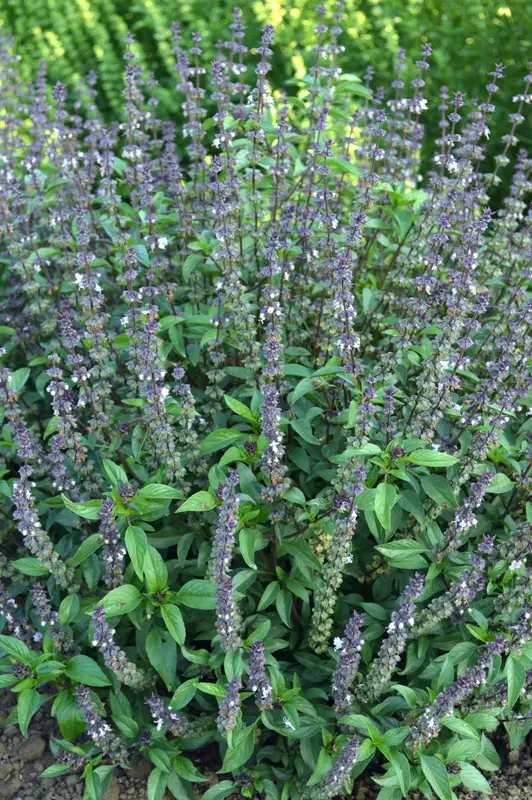
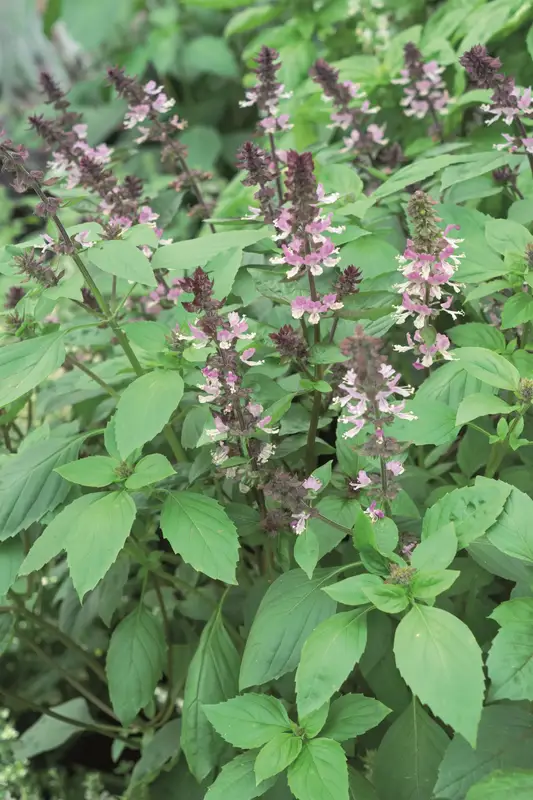
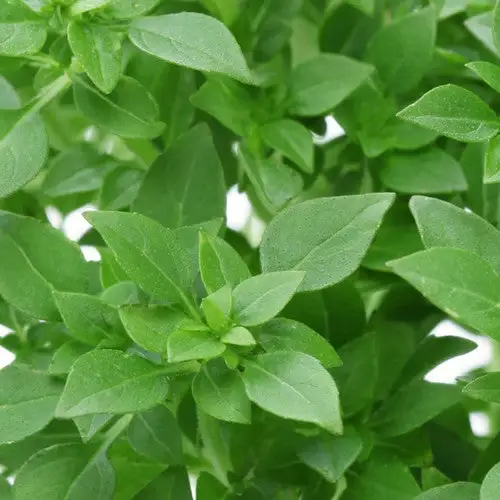
Greek Basil is a small-leaf dwarf variety that grows into a tight dome, about 1’ tall and wide. A great one for containers, hanging baskets, and indoor gardens. The bright green, oval leaves and soft stems have hints of clove and anise, and keep their flavor when dried. Use this variety to flavor herb butters and vinaigrettes, and the edible flowers as a garnish or salad green.
Harvest the leaves and stems from the top part of the plant, and pinch off edible flower buds as they appear, which prevents the leaves from turning bitter, and signals the plant to branch out and grow more leaves, making a bushier plant.
The more you harvest, the more it grows!
- Basil-clove-anise flavor
- Compact plant
- Good for indoor gardens
- Good for containers
- Tons of medicinal benefits!
As a medicinal herb, Basil has been used internally to treat anxiety, colds, colic, cough, depression, diarrhea, fever, flatulence, flu, indigestion, insomnia, intestinal parasites and worms, exhaustion, gastric pain, gonorrhea, lactation problems, migraine headache, nausea, stomach cramps, sore throat, and vomiting, and externally to treat acne, insect bites and stings, loss of smell, skin problems, snake bites.
⚠️ Do not use medicinally while pregnant.
⚠️ Medicinal properties are presented as information only, and are not a recommendation or prescription for use. Consult a medical professional before using any herb medicinally.
As a companion plant, it attracts hummingbirds, pollinators, and beneficial insects, and repels asparagus beetles, cabbage moths, cabbage white butterfly, cabbage worms, carrot rust fly, flies, maggots, mice, mosquitoes, spider mites, thrips, and tomato hornworms.
| Shop all Basil Seeds | Shop Good Companion Plants for Basil | 📚 Grow Guide: Basil |
Follow .com's board Basil on Pinterest.
| Shop all Basil Seeds | Shop Good Companion Plants for Basil | 📚 Grow Guide: Basil |