Hybrid
Plants & Bulbs
Onion (Sets) - Wethersfield, Red
Growing Red Wethersfield Onion Sets: A Gardener's Guide Red Wethersfield onions are a classic choice for home gardeners, prized for their deep red color, rich flavor, and excellent storage capabilities. If you're planning to grow these heirloom onions from sets, you're in for a r
Combine varieties in one inquiry
About this variety
Growing Red Wethersfield Onion Sets: A Gardener's Guide
Red Wethersfield onions are a classic choice for home gardeners, prized for their deep red color, rich flavor, and excellent storage capabilities. If you're planning to grow these heirloom onions from sets, you're in for a rewarding experience. Here's everything you need to know to succeed.
Choosing the Right Time to Plant
Red Wethersfield onion sets thrive when planted in early spring or fall, depending on your climate. In cooler regions, plant in spring as soon as the soil is workable—typically late March through April. In warmer zones, fall planting (September through November) often produces larger bulbs since the plants have more time to develop during the cooler months.
Preparing Your Soil
Onions prefer well-draining soil rich in organic matter. Before planting, work compost or aged manure into your garden bed and ensure the soil pH is between 6.0 and 7.0. Red Wethersfields are not particularly fussy, but good drainage prevents rot and disease. If you're working with heavy clay soil, consider raising your beds or adding extra compost to improve texture.
Planting Your Sets
Space onion sets about 4 to 6 inches apart in rows, or in clusters if you prefer a closer arrangement. Plant them pointed end up, just deep enough so the tip peeks above the soil surface. Water gently after planting to settle the soil. Sets are forgiving—even if they're planted slightly deeper or shallower, they'll usually recover and grow.
Watering and Feeding
Keep the soil consistently moist but not waterlogged, especially during the first few weeks after planting. Once established, onions are fairly drought-tolerant, though regular watering produces better bulbs. Apply a balanced fertilizer every three weeks, or use a slow-release organic fertilizer at planting time. Avoid over-fertilizing with nitrogen, which can encourage leafy growth at the expense of bulb development.
Managing Weeds and Pests
Weed regularly around your onions, as they compete poorly with larger plants. A light mulch helps suppress weeds and retain soil moisture. Red Wethersfields are relatively pest-resistant, but watch for onion maggots or thrips. Remove affected plants promptly and rotate your onion beds yearly to prevent pest buildup.
Knowing When to Harvest
Your Red Wethersfields are ready to harvest when the tops begin to yellow and fall over naturally—typically 100 to 120 days after planting. Stop watering once the tops die back to encourage bulb hardening. Gently loosen the soil and lift the bulbs, then cure them in a warm, dry, well-ventilated space for 2 to 3 weeks before storing.
Storage and Enjoyment
Properly cured Red Wethersfield onions store exceptionally well for months in a cool, dry location. Their sweet, mild flavor makes them perfect for caramelizing, grilling, or fresh slicing. Growing your own means you'll have a steady supply all winter long.
In Summary
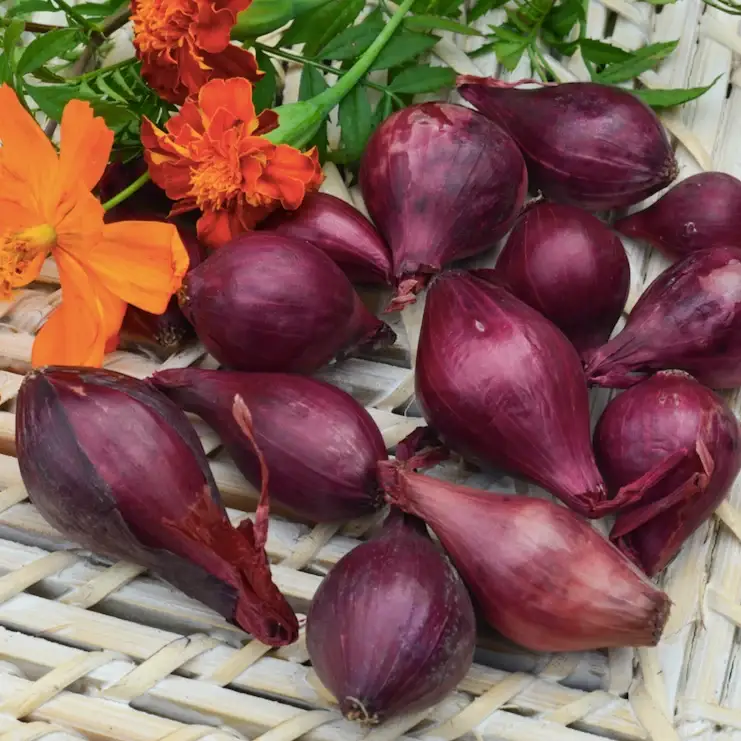
Large globe with very thin, reddish-purple colored skin. The white flesh is very firm and tinged with pink or purple highlights. Fine strong flavor, vigorous. They are technically long day onions. However, they can be grown anywhere, down south they will be more grown like big scallions.
How to Plant Bulb Onions
Onion bulbs are quite hardy and can withstand 20° F frost. They should be set out 4-6 weeks prior to the last expected frost. When your plants arrive they should appear to be quite dry. DO NOT WET THEM NOR STICK THEIR ROOTS IN WATER. Unpack them and store them in a cool, dry place until it is time to plant. They should last about 3 weeks kept this way. Do not worry that your plants seem dry. They will "shoot" new roots and new, green tops as soon as they are planted.
You may also like
View all
Hybrid
Hybrid
Hybrid