
How to Grow and Care for Beaked (Big Bend) Yucca
Yucca rostrata Drought tolerant, cold hardy, and popular with wildlife of all shapes and sizes, the beaked or big bend yucca (Yucca rostrata) is easy to love. In the right conditions, it’s also fairly easy to grow. Hardy in USDA Zones 5 to 12, this tall species requires little to no maintenance.
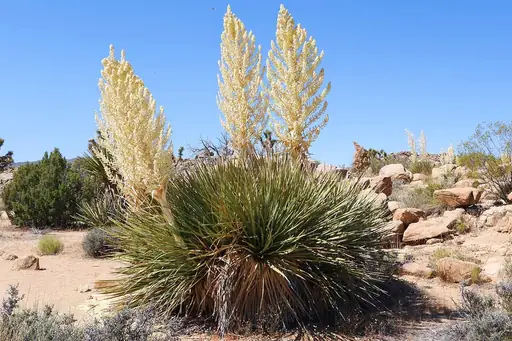
Yucca rostrata
Drought tolerant, cold hardy, and popular with wildlife of all shapes and sizes, the beaked or big bend yucca (Yucca rostrata) is easy to love.
In the right conditions, it’s also fairly easy to grow. Hardy in USDA Zones 5 to 12, this tall species requires little to no maintenance once established in sunny, arid conditions.
In our guide to growing yucca, we cover how to cultivate members of this diverse genus in your landscape.
Read on to find out more about beaked yucca and how to grow it at home. Here’s what I’ll cover:
What You’ll Learn
Quick Look
How to Grow
Where to Buy
Maintenance
Propagation
Pests and Disease
This denizen of the desert grows up to 15 feet high, 10 feet wide, and sports a cluster of spear-shaped, stiff, blue-gray leaves on top of a thick trunk.
Although Y. rostrata looks like a tree, it’s technically a large herb, or forb, as it does not produce woody growth.
Importantly, the leaves of this species are not as sharp nor as rigid as some of the other tall types, such as Y. rigida, the blue yucca.
This makes it a good choice for gardens, especially if you have small children around.
Quick Look
Common name(s): Beaked, big bend, silver yucca
Plant type: Perennial succulent
Hardiness (USDA Zone): 5-12
Native to: Texas and northern Mexico
Bloom time / season: Late spring and summer
Exposure: Full sun
Soil type: Loose, sandy, gritty, well-draining
Soil pH: 5.5-6.5, slightly acidic to neutral
Time to maturity: 5 years
Mature size: Up to 15 feet tall by 3-4 feet wide
Best uses: Back of border, specimen, xeriscape
Taxonomy
Order: Asparagales
Family: Asparagaceae
Genus: Yucca
Species: Rostrata
Come spring, Y. rostrata sprouts a tall cluster of bell shaped, cream colored flowers that erupt, fountain like, from the center of its rosette.
The flowers are pollinated only by the yucca moth, but attract a diversity of hummingbirds, bees, and butterflies.
As the plant ages, it often branches, creating two large tufts of foliage filled with long, slender leaves.
These leaves, if not removed, eventually senesce and die, lying flat against the trunk. Over time, Y. rostrata acquires a “skirt” of these pale beige leaves, creating important habitat for wildlife.
In its native Texas, and the Chihuahua, and Coahuila regions of Mexico, this species thrives in habitats with very little annual rainfall.
Y. rostrata is also known as big bend yucca after the Big Bend region of Texas where this species grows natively. You may also see it listed as silver yucca as the foliage can take on a silvery hue in certain light.
Naturally occurring in canyons or amongst boulders, this species uses pockets of shade to sequester the moisture it needs. In your own backyard it rarely needs watering and is blissfully low maintenance.
How to Grow
Despite being native to the xeric conditions of Texas and northern Mexico, Y. rostrata is actually fairly versatile and easy to grow, so long as you meet its basic requirements.
Climate
Plant in the sunniest, hottest site you have.
If you live in Zone 7 or lower, make sure you plant this warmth-loving species in a protected location where it won’t get burned by winter winds or suffer from frost damage.
Soil
As with any desert species, Y. rostrata prefers freely draining sandy, gritty, or rocky soils. It won’t tolerate consistently moist or wet soil.
If your garden has the kind of beautiful, dark, rich loam that most gardeners dream about, amend your soil with plenty of grit to ensure it drains well.
Consider the long term outlook of this plant before you alter your soil, too. Do you want to have to manage issues like leaf spot, and root rot, if they arise?
Beaked yucca is largely pest and disease free when grown in dry conditions. In water retentive soils, like loam, this species is far more susceptible to fungal pathogens.
Water
Although Y. rostrata is incredibly drought tolerant, this species will benefit from deep watering during prolonged periods of no rain.
If you live somewhere humid, you’ll virtually never have to water. If you’re somewhere arid, water if you don’t have any rainfall for two weeks.
Where to Buy
Beaked yucca’s cousins tend to be more common and easier to find at nurseries, but with a bit of searching, you can track down Y. rostrata for sale online.
And if you happen upon a mature, fruiting plant, you can always collect seeds and try propagating your own.
Beaked Yucca
Maintenance
Site selection and preparation is the most labor intensive part of ensuring this plant leads a long, happy life in your garden.
In cooler, more moist soils, this species will perish unless the substrate is made freely draining. In dry, rocky, sandy, or gritty soils Y. rostrata will be perfectly happy and require little to no help from you to flourish.
Beaked yucca does not require fertilizer, and don’t believe anyone who tells you it does! It also doesn’t need to be routinely pruned.
The only caveat here is if you live somewhere very humid and notice fungal issues, such as leaf spot, beginning to crop up.
In this case, increasing air circulation by removing dead or diseased foliage will help maintain the overall health of your plant.
To remove spent foliage you’ll need a very sharp pair of pruners or shears. The foliage is incredibly tough!
Cut the leaves as close to the trunk as possible without wounding any healthy tissue.
Learn more about pruning yucca here.
Propagation
Beaked yucca can be grown from seed or planted as a transplant.
Our guide to propagating yucca has all the details, but we’ll talk briefly about each method.
From Seed
Beaked yucca produces a multi-chambered seed capsule after flowering.
This structure becomes papery and dry when the small, flat, almost bean shaped seeds inside are ripe. The capsule will eventually rupture and burst open, dispersing its contents, so you need to harvest the seed before it does this.
The ideal time to collect seed is typically in early fall.
Collect seed into a breathable cloth bag, or paper envelope. Let your harvest air dry in a cool, dimly lit place such as a closet for a few days then place in a sealed ziplock bag with a little moistened sand.
This bag should be refrigerated for eight weeks to cold-stratify the seed and facilitate germination in the spring.
When the seed is stratified, prepare a shallow flat of freely draining, moistened, sterile potting soil.
Regular potting soil will work fine, but because this plant likes substrates that tend to stay dry, it helps to mix a few handfuls of sand into the soil before sowing.
Press the seed gently into the surface of your prepared tray and sprinkle lightly with soil. Moisten using a spray bottle.
This species requires warm, moist conditions to germinate, ideally right around 70℉.
If you live in a region with warm spring weather, place your tray outdoors in a sheltered location with bright, indirect, sunlight. Make sure to water your seeds every day so the soil stays moist, but not soaking.
If you live somewhere cold, or in a region where daytime temperatures fluctuate quite a lot, try placing your seed tray on a heat mat.
Under ideal conditions, germination typically takes about two to three weeks.
After the seedlings emerge, move your young plants to a warm location with lots of direct sunlight.
When they are a few inches tall, transplant the seedlings into individual four-inch pots filled with a mixture of sand and potting soil.
Learn more about how to propagate yucca from seed here.
By Division
If you have a friend with a mature beaked yucca in their garden you may be able to divide and transplant a portion of the specimen.
Learn about how to divide yucca here.
Transplanting
To transplant seedlings or a nursery start, dig a hole as deep and wide as the container the plant is currently growing in.
Gently remove the plant from the pot and place the root ball in the hole so that the base of the stem is level with the ground. Fill in the hole, packing dirt firmly around the rootball, and water in well.
Although Y. rostrata is incredibly drought tolerant, new transplants will need to be watered deeply once a week, especially if no rain falls. This will ensure rapid root development.
Pests and Disease
When planted in the hot, sunny, dry conditions Y. rostrata loves best, this species is remarkably problem free.
Virtually all the issues this plant encounters are related to overwatering or conditions that are too humid.
Insects
While this species attracts a host of beneficial insects, including the pollinating yucca moth, there are hardly any that cause any problems of note.
Disease
Leaf spot, caused by various fungi, appears as yellow, brown, or black spots on foliage. It’s rarely serious.
This condition can be managed by pruning affected leaves, improving air circulation, and cleaning up debris to reduce spores and keep the soil dry.
Root rot can be caused by soggy conditions that cause the roots to drown or from infection via fungal or oomycete pathogens. It is often fatal.
Overwatering or planting in water-retentive soils causes this disease which, as the name suggests, slowly turns the roots into brown, smelly mush.
Prevention is key, plant in fast-draining, dry soil to avoid this disease.
Adaptable and Architectural
A standout in all seasons, beaked yucca is striking on its own or in a mixed border.
Tolerant of cold temperatures, extreme heat, and all but the most severe of droughts, in the right environs, this species is as low maintenance as they come.
Do you grow beaked yucca? Let us know in the comments section below and feel free to share any of your own tips!
And to learn more about growing yucca in your landscape, you’re sure to enjoy reading these guides next:
- How to Grow Adam’s Needle Yucca Plants
- Tips for Landscaping with Yucca Plants
- 28 of the Best Yucca Varieties
- X




Fragen und Diskussion