
How to Plant and Grow Bee Balm
Monarda spp. One of my absolute favorite flowers, I look forward to the day each year when the bee balm buds open into magnificent scarlet blooms, bringing a whole crew of ravenous hummingbirds into my yard. Incredibly beautiful, medicinal, and edible, it’s no wonder the birds and the bees love it.
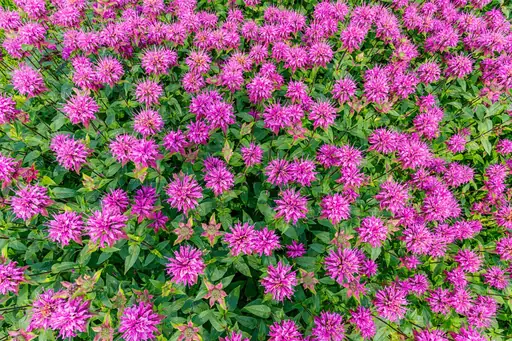
Monarda spp.
One of my absolute favorite flowers, I look forward to the day each year when the bee balm buds open into magnificent scarlet blooms, bringing a whole crew of ravenous hummingbirds into my yard.
Incredibly beautiful, medicinal, and edible, it’s no wonder the birds and the bees love it too!
Best of all, there isn’t much to getting a patch established, and once you do, it will reward you with vibrant color and life year after year.
What You’ll Learn
- What Is Bee Balm?
- Cultivation and History
- Medicinal Use
- Propagation
- How to Grow
- Pruning, Division, and Seed Saving
- Growing Tips
- Cultivars to Select
- Managing Pests and Disease
- Harvesting
- Preserving, Recipes, and Additional Uses
- Quick Reference Growing Guide
What Is Bee Balm?
Bee balm is a perennial flowering herb in the mint family. Like many mints, it has a square stem, opposite leaves, and creeping rhizomes that spread rapidly under the soil.
There are quite a few varieties of Monarda. Perhaps the most commonly cultivated variety, M. didyma, boasts bright red tufted blossoms with tubular petals.
M. fistulosa, also known as wild bergamot, has similar shaped blooms of light purple or pink, and can be found growing wild in fields and prairies, and along roadsides and the edges of woods.
It commonly grows to about two to four feet high, though some dwarf varieties are shorter and can make great additions to containers or borders.
Bee balm attracts all sorts of pollinators, including bees, butterflies, and hummingbirds. It is medicinal, edible, and delightfully fragrant,tasting a bit like oregano and mint, with a long history of human use.
Cultivation and History
Endemic to eastern North America, this plant has been used medicinally by many Native American communities throughout history, and was eventually adopted into medicinal use by early colonists as well.
This plant has many common names, including bee balm, Oswego tea, and bergamot. The name bee balm may be attributed to its allure to bees, as well as its traditional use in soothing the pain from bee stings.
The name Oswego tea comes from the Oswego Native Americans who consumed a monarda tea for relaxation. This tea was shared with European settlers.
According to Jackie Johnson, N.D. at the Herbal Academy International School of Herbal Arts and Sciences, some colonists reportedly started drinking Oswego tea after the Boston Tea Party as an alternative to British imports.
The name wild bergamot is attributed to its fragrant scent, which is similar to the bergamot orange, a citrus fruit that is used as a flavoring for Earl Grey tea.
Medicinal Use
Antimicrobial and soothing to the digestive tract, herbalists often use bee balm as a remedy to treat cold and flu symptoms such as sore throats, fever, and congestion. It is a diaphoretic, which means it can be used to induce sweating when taken as a tea.
This plant is a natural source of the phenol thymol, an antiseptic, antifungal, and antimicrobial compound also found in thyme, which is a primary active ingredient in modern commercial mouthwash formulas.
A strong infusion can be used as a gargle for soothing sore throats, toothaches, and mouth sores.It is also commonly used topically.
A poultice from the mashed leaves can be applied to the skin to reduce inflammation, support wound healing, combat infection, and soothe insect stings.
Monarda Plant Propagation
There are several different ways to propagate bee balm. It can be grown from seed, cuttings, or divisions.
From Seed
It can take a long time for seeds to germinate, and anywhere from 10 to 40 days is normal. It is also necessary to stratify seeds prior to planting.
To do this, place seeds in a plastic bag full of sand to maintain moisture and set it in your fridge for at least a month.
Remove the seeds from the fridge and broadcast out in the garden in the early spring, a few weeks before last frost. Amend the soil with a bit of compost. Seeds require light germination so there is no need to cover them.
From Cuttings
Though a bit tricky, it is possible to propagate using cuttings.
Select new spring growth from the tips of stems and cut at least six inches, starting just below a set of leaves. Place the stems in small pots with peat moss, perlite, vermiculite, or any combination of these.
Rooting hormone can help speed the process along, but it is not necessary. Water well and place a plastic bag over each pot to retain moisture.
As soon as the stems take root, in about two or three weeks, you can remove the bag and repot the cuttings in potting soil.
From Divisions
Perhaps the easiest way to plant bee balm is by division.
Carefully dig up any plants in spring that you wish to divide. Gently shake off loose soil, cut through thicker roots with pruning shears, and carefully pull sections apart, making sure that each division has enough roots attached to regrow, at least a few inches of root on each piece
Trim any broken or damaged stems, and then replant in garden beds or pots. Space 18 to 24 inches apart.
You can learn more about the proper technique for this method in our Complete Guide to Dividing Perennials.
Read our full guide on bee balm propagation here.
How to Grow Bee Balm
Bee balm grows well in Hardiness Zones 3 to 9, and is best planted in full sun, though it will tolerate shade in hotter areas, and can benefit from afternoon shade in very warm climates, which will protect plants from heat and lengthen the flowering season.
Wild bergamot is not picky in terms of fertility and will even grow in heavy clay soils, though cultivated commercial varieties generally prefer more nutrient rich soil and a pH between 6.0 and 7.0.
Choose a well draining site with good air circulation, as plants have a tendency to develop mildew. Adding compost when planting and mulching liberally will help to improve soil quality, drainage, and air flow by keeping weeds in check.
Though somewhat drought tolerant, regular watering is certainly helpful. Be sure to keep the soil evenly moist, but not wet.
Pruning, Division, and Seed Saving
Like other mints, this herb has a tendency to spread.
You can divide it every few years in the spring to keep it growing vigorously and prevent it from spreading too rapidly. This plant is so beautiful, however, you might not mind it taking over a bit!
You can also pinch off stems of new growth to encourage bushier plants.
In early spring, pinch back the top set of leaves on each stem when they are a couple of feet tall. This will encourage lateral spreading, allowing plants to spread out before they flower.
For longer flowering, stagger early pinching over a few weeks, pruning about a third of the stems each week.
Deadhead blooms throughout the season to encourage more flowering and reblooming later in the summer. And use picked blooms for food, medicine, or bouquets.
You can also save seeds by collecting mature seeds a few weeks after the flowers bloom.
Place a bag or bowl under a stem and shake the stem gently. If brown seeds fall out, then they are ready to harvest. Refrigerate seeds until you are ready to plant them.
In the fall after the first frost, you can cut stems back to a couple of inches above the soil.
Growing Tips
- Plant in well draining soil with good air circulation.
- Once a stem has finished flowering, trim it back to the ground or pinch it off. This will encourage new stems to grow.
- Choose a site in the center or rear of a garden bed to add a burst of color and depth, as these bright flowers will likely be taller than many other herbs.
- Make sure environmental factors are correct to encourage blooming.
- This plant can tolerate growing under black walnuts and other juglone producing trees and shrubs.
Monarda Cultivars to Select
There are over 50 varieties of commercially cultivated Monarda available, the most common being M. fistulosa, the native wild variety, and M. didyma, with its spectacular red flower.
Wild Bergamot
This fragrant native grows 36- to 48-inch-tall clumps of edible and medicinal light purple flowers, blooming in summer and fall.
It will be sure to attract all sorts of pollinators to your garden, and add height and texture to your borders.
Wild Bergamot
For some really dramatic color, M. didyma gives you lots of options.
Jacob Cline
Try ‘Jacob Cline’ for its intensely vibrant large red flowers. This showy variety will spread rapidly, adapting to all sorts of soil conditions. It is a favorite of hummingbirds.
‘Jacob Cline‘
Flowering from mid summer to early fall, it works well in containers and to add texture and height to borders. Seeds are available from .
Leading Lady Lilac
For a more compact variety with gorgeous light purple blooms dotted with dark purple spots, ‘Leading Lady Lilac’ grows to 10 to 14 inches and spreads quickly.
‘Leading Lady Lilac‘
Ideal for smaller gardens and containers, ‘Leading Lady Lilac’ is a robust variety tolerating a variety of soil conditions. The flowers attract a variety of pollinators.
You can find plants that ship in spring from .
Leading Lady Plum
If you don’t want to wait until midsummer for your showy blooms, ‘Leading Lady Plum’ is the earliest of all bee balm bloomers.
‘Leading Lady Plum‘
Another compact variety, it grows to 10 to 14 inches with bright magenta flowers and deep purple spots. Plants are available from , and ship in the spring.
For a deep purple variety, try ‘Balmy Lilac,’ this dwarf variety flowers from late spring into summer and plants are available at .
Monarda Coral Reef
M.didyma ‘Coral Reef’ is a cross-breed cultivar from Agriculture Canada’s breeding program in Manitoba.
‘Coral Reef‘
It has beautiful salmon pink blooms from mid to late summer, and grows to 36 inches in height. The long stems make beautiful cut flowers and attract a variety of pollinators.
You can buy single plants from , that will ship in spring, in good time for planting out.
Lemon Bergamot
Lemon bergamot, sometimes called lemon mint, M. citriodora flowers from mid-late summer into fall with aromatic foliage having a minty-lemony flavor and scent.
Lemon Bergamot
Useful in teas or for potpourri, this hardy variety is large, growing from 12 to 30 inches.
It makes a delightful accent plant in borders, and will bloom almost continuously throughout summer if you deadhead it regularly.
Bees Knees
If you are looking for a compact variety that thrives in humid conditions, try a new cross-breed cultivar ‘Bee’s Knees.’
With deep red, scarlet flowers this variety was selected in a field trial, with a plant patent applied for (PPAF).
‘Bee’s Knees‘
This mildew resistant cultivar grows to 16 to 20 inches and will look lovely on garden borders and in containers, and attract plenty of buzzing pollinators. Plants are available from .
Managing Pests and Disease
While this plant grows and thrives easily, there are just a few pests and diseases to keep an eye out for.
Insects
There are a few pests that like to feast on my bee balm, but it’s usually quite easy to control them.
Aphids
These small insects feed on plant foliage, sucking out the contents of cells and secreting honeydew, a sticky liquid that covers the leaves and can result in mold.
Aphid populations can be reduced by planting herbs such as dill and basil nearby to attract beneficial predators, such as ladybugs and lacewings.
Regular weeding will also help regulate aphid populations. If an infestation gets out of control, you can apply a homemade solution of water and a few drops of dish soap.
Spider Mites
These tiny pests feed on bee balm plants by sucking out fluid from the underside of leaves and petals. This will create spotting, discoloration, and misshapen foliage, ultimately causing plants to lose their leaves.
Spray with a homemade insecticidal soap or neem oil to combat infestations.
Stalk Borers
The larvae tunnel into the stems of plants and feed on the tissue. You will notice wilting plants and small holes in the stems surrounded by yellow debris. Cutting into the stem will reveal caterpillars about one and a half inches long.
Regular weeding can reduce the risk of an infestation. As soon as you notice an infestation, you should remove and destroy affected plants.
Disease
While the list of diseases to worry about may be short, unfortunately, bee balm is a common victim of powdery mildew. Rarely a season goes by when my plants are not impacted at some point.
Powdery Mildew
Powdery mildew is a very common fungus that affects bee balm plants. This gray, powdery dust settles on foliage and spreads throughout the plant, eventually causing leaves to brown and wilt.
It overwinters on plant debris and the spores can be transferred via wind and water, often presenting itself in conditions of high humidity and low air circulation.
While sometimes inevitable during periods of humid weather, there are preventative measures you can take to reduce the risk of mildew.
First, select a planting site that receives at least six hours of sunlight a day. In the spring, thin stems to increase light penetration and air flow. Divide plants in the fall every few years.
You can also reduce watering, especially during times of high humidity, avoid overhead watering, and weed regularly to increase air circulation. Mulching can also help to regulate moisture and prevent waterlogged conditions.
If mildew starts to appear on your plants, mix a tablespoon of baking soda with a teaspoon of insecticidal soap in a gallon of water and spray affected foliage every week. Also be sure to remove and dispose of affected growth in the fall, as the spores can overwinter in the soil.
Harvesting Bee Balm
Harvest flowers when they are in full bloom. Depending on your region, this could be any time from early through late summer. Pick them in mid-morning on a dry day, after the dew has evaporated.
To harvest, either cut stems to about six inches below the flower, or gather individual blooms as they flower.
The leaves can be harvested at any time during the growing season. Avoid harvesting foliage in the first year of growth to allow plants to become established.
Preserving, Recipes, and Additional Uses
If you want to get creative, there are all sorts of fun and delicious ways to use or preserve the leaves and flowers, which are both edible.
To add some flair to your next fancy dinner, you can use the fresh flowers as a garnish on salads, or the leaves to season game meat or poultry. The slightly minty flavor is often compared to oregano.
Crystallized or “sugared” flowers can be used to decorate cakes and cookies. You can find a recipe for doing this at home on our sister site, Foodal. Crystallized flowers are best used within a few days.
To dry, hang bundles of stems upside down, or lay leaves and flowers on a screen and place in a well ventilated dark area. Depending on humidity, it can take up to two weeks for the herb to dry completely.
You can also use a dehydrator on the lowest setting, checking every half hour until fully dry. Remove when the leaves and flowers crumble easily between your fingers.
Find more tips on drying herbs here.
Store in glass jars in a dark, cool pantry. Try not to crush the dried herb until you are ready to use it in herbal teas or homemade potpourri.
After a long day in the garden, try filling a clean sock or mesh bag with dried bee balm flowers and add it to your bath for a fragrant and muscle relieving soak.
In the mood for something sweet? Try making a bright red bee balm jelly. Mix two cups leaves and flowers with two cups of water.
Pour boiling water over the herb to make an infusion of strong tea. Let the infusion sit for at least a few hours and strain.
Add four cups of sugar and six tbsp of pectin. Boil for a few minutes and remove from heat. The mixture should have thickened into a jellylike consistency.
Want to give a medicinal tincture a try? An oxymel, which is a mixture of herbal infused vinegar and honey, is another wonderful way to use bee balm.
Just pour apple cider vinegar over a jar filled with fresh or dried leaves and flowers until they are fully submerged, screw the lid on tightly, and store in a dark pantry for about a month, shaking daily.
Strain out the herb, blend with equal parts honey, and enjoy! This sweet and sour anti-microbial concoction will give you an extra boost during cold and flu season.
Quick Reference Growing Guide
| Plant Type: | Herbaceous perennial | Flower / Foliage Color: | Red, pink, light to dark purple |
| Native to: | Eastern North America | Maintenance: | Moderate |
| Hardiness (USDA Zone): | 3-9 | Tolerance: | Drought |
| Bloom Time / Season: | Summer | Soil Type: | Average |
| Exposure: | Full sun to partial shade | Soil pH: | 6.0-7.0 |
| Time to Maturity: | 110-120 days | Soil Drainage: | Well-draining |
| Spacing: | 18-24 inches | Attracts: | Bees, butterflies, hummingbirds |
| Planting Depth: | 1/8 inch (seeds) | Companion Planting: | Summer phlox, basil, dill, thyme, daylilies |
| Height: | 3-5 feet | Uses: | Tea, potpourri, cut flowers |
| Spread: | 18-36 inches | Family: | Lamiaceae |
| Water Needs: | Moderate | Genus: | Monarda |
| Pests & Diseases: | Aphids, spider mites, stalk borers, powdery mildew | Species: | M. didyma, M. fistulosa |
Welcoming the Birds and the Bees
But don’t take my word for it. Try planting a patch this year, and watch your garden explode with color and life.
It’s no wonder the pollinators come flocking!
Is this useful flower a perennial favorite in your garden? Do you have any growing tips to share? Let us know in the comments below!
If you found this guide useful, you’ll also find some helpful info here:
- How to Grow and Use Lemon Balm
- Grow Faassen’s Catmint For Durable Summer Color
- Mint: An Aggressive Grower that Serves Up a Punch of Flavor
- How to Grow Horehound
- Facebook736
- X




Fragen und Diskussion