
How to Plant and Grow Greek (Bush) Basil
Ocimum minimum Also known as bush basil, these plants are naturally petite, with a rounded shape that requires no pruning to maintain. They have proportionately small leaves that I find perfect for pinching off to add to salads, soups, omelets, and ice cream. No tearing or chopping them into.
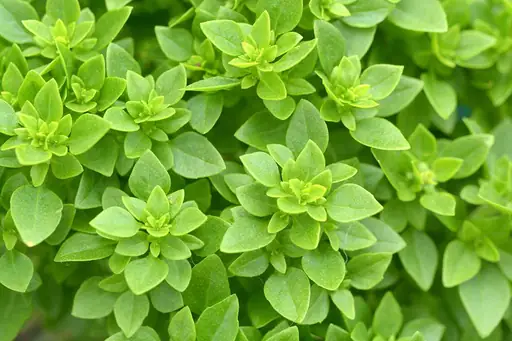
Ocimum minimum
Also known as bush basil, these plants are naturally petite, with a rounded shape that requires no pruning to maintain.
They have proportionately small leaves that I find perfect for pinching off to add to salads, soups, omelets, and ice cream. No tearing or chopping them into smaller pieces necessary.
Whether you’re looking for options for your own kitchen herb garden or you want to fill your raised beds with something fabulously flavorful, give Greek basil a try.
In our guide to growing basil, we discuss how to cultivate these delicious herbs at home.
We’re going to go over everything you need to know to grow bush or Greek basil. Here’s what’s on the menu:
What You’ll Learn
Quick Look
How to Grow
Cultivars to Select
Propagation
Pests and Disease
Harvesting
Preserving
Cooking Ideas
Greek, globe, or bush basil is sometimes classified as Ocimum minimum, O. basilicum var. minimum ‘Greek,’ or O. basilicum ‘Bush.’
Botanical classifications are constantly changing and any plant can be reclassified at any time based on new information.
Ocimum species are a particular challenge because they hybridize in the wild so readily and they have such a long history of cultivation.
Researchers studying this species concluded that the chemical makeup in terms of flavonoids and essential oils are significantly different enough from O. basilicum that it should be treated as a separate species and not a naturally-occurring subspecies or variety.
But the matter isn’t settled. Just assume that if you see “minimum” or “Greek” somewhere in the name, you’ve got the right plant.
Quick Look
Common name(s): Globe, Greek, bush basil
Plant type: Tender perennial herb
Hardiness (USDA Zone): 9-11
Native to: Africa, India, Southeast Asia
Season: Summer
Exposure: Full sun
Soil type: Loose, humus-rich well draining
Soil pH: 6.0-7.0, slightly acidic to neutral
Time to maturity: 70 days
Spacing: 6 inches
Planting depth: 1/4 inch (seeds)
Mature size: 12 inches wide x 12 inches high
Water Needs: Moderate
Taxonomy
Order: Lamiales
Family: Lamiaceae
Genus: Ocimum
Species: Minimum
Cultivars: Dwarf Greek, Minette, Spicy Globe
To further complicate the matter, there are cultivars with “bush” in the name, like ‘Spicy Bush.’ These are usually cultivars of Greek basil, but it can be confusing when you’re out shopping.
These herbs grow to about a foot tall with petite leaves that are just half an inch long, and have a slightly sweeter flavor than the grocery-shop species.
How to Grow
Growing this species is no different than cultivating the classic sweet type.
Light and Temperature
The plants need full sun to thrive, though an hour or two of shade in the hottest part of the afternoon is fine, and appreciated if you live in a very warm region.
If you have a heatwave prop an umbrella or other cover over the plant if temperatures climb over 85°F and increase the amount of water you are providing.
Plants growing in too much shade tend to lose their compact shape and become more leggy.
Soil
Greek basil thrives in organically-rich, well-draining soil with a pH of 6.0 to 7.0 – slightly acidic to neutral.
You can amend your garden soil with compost before planting and while you’re at it, add some grit to ensure that it drains well.
If you have very poor soil in your garden, consider growing in a raised bed or container instead.
Water
Speaking of water, the soil should remain consistently moist at all times.
If you stick your finger into the soil, it should feel like a well-wrung-out sponge. If it feels any drier than that, add water.
If it feels wetter, wait a while before watering and then make sure the soil is just starting to dry out before adding more moisture.
Learn more about watering basil here.
Fertilizing
Greek basil is a fairly hungry herb and you’ll need to fertilize regularly, especially if you are growing in a container.
Provide a mild, balanced fertilizer every two to three weeks. Our guide to fertilizing basil has full details.
Containers
The petite size makes this particular herb perfect for growing in a pot. Make sure that the container has drainage holes in the bottom.
Tank’s-Pro Coco Soil
I grow all my container herbs with this product as it contains organic compost combined with coco coir for water retention, good drainage, and oodles of nutrients.
Pinching and Pruning
You can pinch back the growing tips as it’s maturing to encourage bushier growth.
You should also prune off any flowers that appear to encourage the plant to focus on growing more foliage rather than producing seeds.
Once the flowers develop, the stems will become leggier and the leaves less flavorful.
Of course, if you want to harvest the seeds, you can let the flower stalks remain. Learn more about the ins and outs of saving seeds.
If you want to understand more about when and how to prune, our guide covers everything.
Cultivars to Select
There are lots of great cultivars out there and we’ll talk about just a few here to give you an idea of what’s available.
You can often find plants available at your local garden center or nursery.
Greek Basil
If you want to purchase the classic bush species, visit to pick up packet of 100 seeds.
Dwarf Greek
‘Dwarf Greek’ is even smaller than the species. It only grows to about six inches tall, which makes it ideal for gardeners who want a quick growing, petite option for the windowsill.
‘Dwarf Greek’
It’s perfect as a table centerpiece or for giving as a gift.
Minette
‘Minette’ is a little cutie. It takes on a rounded shape and grows to just about 10 inches tall.
‘Minette’
The leaves are smaller than those of the species. It’s another perfect option for containers or growing on a windowsill.
You can find ‘Minette’ seeds available at .
Spicy Globe
One of my favorite cultivars, ‘Spicy Globe’ has a perfectly round form that almost seems unnatural.
That, along with the extra pungent fragrance and flavor, means you get a lot of herb in just a little package.
‘Spicy Globe’
It grows rapidly to about a foot tall and wide.
Our guide to growing ‘Spicy Globe’ has full cultivation details.
Propagation
All types of basil are supremely easy to propagate, whether from seed, via cuttings, or by dividing a plant that you’ve purchased from your local store.
Whichever method appeals to you, our guide to basil propagation will help you through the whole process.
Managing Pests and Disease
Herbivores like rabbits, deer, and birds generally ignore Greek basil. So you can take those off your list of pests to worry about.
But aphids, Japanese beetles, slugs, and snails are all frequent visitors.
Check out our guide to aphids to learn how to identify these pests and the damage they can do, which includes yellowing of the foliage and overall stunted growth.
Japanese beetles feed on the leaves, making them look like lace and also causing stunted growth.
Slugs and snails feed on the leaves and stems, too, but unlike Japanese beetles, they will devour entire stems and leaves, or even an entire small plant.
Downy mildew and fusarium wilt are the two main diseases you might run into.
Early symptoms of downy mildew are yellowing leaves and as the disease progresses they turn brown. If you look on the underside of the leaves, you’ll find gray fuzz.
You can slow or stop the progression using expensive antifungals, but it’s best to just dig your Greek basil up and dispose of it.
Fusarium wilt causes, as you might expect, wilting. The leaves might also turn yellow, with brown, sunken or rotting areas.
You might also see brown streaks on the stems and the leaves will eventually fall off the plant.
As with downy mildew, treatment isn’t really an option. You’ll have to dispose of the plant.
With either disease, be sure to clean all your tools and containers with a 10 percent bleach solution to ensure that the disease doesn’t spread.
Harvesting
You can harvest anytime you want, really, but the plant needs about 70 days to reach maturity.
Then, it will continually replace any foliage you remove. Harvest stems or leaves as they reach your preferred size.
You can pinch them off with your fingernails or use a clean pair of scissors. Just make sure you never harvest more than half of the plant unless you’re ready to toss it out.
Preserving
You can keep the leaves in the refrigerator until you are ready to use them, but Greek basil dries particularly well.
Both because the small leaves dehydrate quickly but also because it retains its flavor nicely.
Learn how to dry basil in our guide.
Cooking Ideas
This herb is phenomenal in salads, like einkorn berry and basil salad with honey-lemon dressing. Find the recipe on our sister site, Foodal.
Really, it works anywhere you like to use your basil. I like to use the leaves in lemonade, to top ice cream, or sprinkled on pasta.
Good Things Come in Small Packages
Greek basil packs everything you love about this must-have herb into a marvelously petite package. It produces heaps of leaves absolutely bursting with flavor.
Are you growing Greek basil? I’m always looking for new ways to use bush basil, so if you have any fun ideas for this particular type, let me know in the comments below!
And for more information about growing basil in your herb garden, add these guides to your reading list next:
- Tips for Growing ‘Sweet Dani’ Lemon Basil in Your Herb Garden
- 9 Reasons Your Basil Plants Are Wilting and Drooping
- How to Plant and Grow ‘Dark Opal’ Basil
- X
Fragen und Diskussion