
How to Identify, Prevent and Treat Gummosis on Fruit Trees
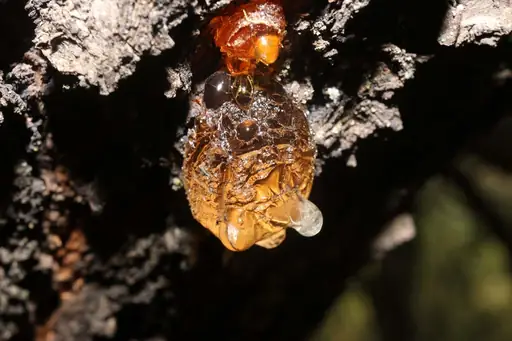
Leucostoma persoonii and Leucostoma cincta Gummosis refers to the oozing of sap or gum from a tree. This behavior is very common on stone fruits, including apricots, peaches, and plums. You can look at gummosis as your tree’s cry for help in the face of any one of a number of problems. The most.
Leucostoma persoonii and Leucostoma cincta
Gummosis refers to the oozing of sap or gum from a tree. This behavior is very common on stone fruits, including apricots, peaches, and plums.
You can look at gummosis as your tree’s cry for help in the face of any one of a number of problems.
The most common cause of gummosis is a fungus originally called Cytospora that is now called Leucostoma.
This fungus is opportunistic. That means that it infects easy targets like weakened trees. It requires both a wound and a tree that is stressed.
Pruning cuts are a major source of entry for this fungus. Sunscald and cold injury – and even deer rubs – can make your tree vulnerable to Cytospora infection.
Prevention is the best way to manage this condition.
What You Will Learn
- Two Leucostoma Species Infect Fruit Trees
- How to Diagnose Gummosis Due to Leucostoma Canker
- How to Prevent Gummosis
- Cultural Controls
- Chemical Controls
- Monitor Your Tree Closely
Two Leucostoma Species Infect Fruit Trees
Two species of Leucostoma can be on the attack. L. persoonii is more likely to infect apricots, plums, peaches, nectarines and cherries grown at a low elevation. This species is more of a problem in warmer climates.
In contrast, L. cincta is more likely to attack apples and cherries in cooler areas, like orchards at high elevations.
Both species of fungus are widespread in the US and throughout British Columbia and Ontario, Canada as well. They have also been known to cause problems in South America, Europe, and Japan.
How to Diagnose Gummosis Due to Leucostoma Canker
Your tree will exhibit symptoms like dieback of the canopy and tree flagging. And it will produce a lot of gum. Think excessive.
The trunk of a cherry tree infected with L. persoonii showing signs of Leucostoma canker and oozing sap.The gum that Leucostoma fungi produce has a dark amber color. Scrape off the bark and look at the phloem underneath. It will be cinnamon brown.
Typically, the fungus grows during favorable times like the winter and spring. When the tree starts actively growing, it walls off the infection until it loses resistance again in the fall. You can see this pattern in the form of bands of lighter and darker colored tissue.
To distinguish Leucostoma canker from other causes of gummosis, you should look for its fruiting bodies – protrusions from the surface of the woody tissue that look like small black pimples.
These fruiting bodies can produce thousands of spores, and those of L. persoonii can travel up to 260 feet.
How to Prevent Gummosis
Cultural Controls
1. Optimal Fertilization and Care
Since the primary causal agent of apricot, peach, and plum gummosis attacks weakened trees, do your best to keep yours healthy with optimal mulching, watering, and nutrition.
You should consider fertilizing with nitrogen in the late winter or early spring. This will prevent your tree from producing growth that could be damaged by cold in the fall.
2. Prune Precisely and Remove Damaged Tissue
Be very careful when you prune. Make proper cuts and do not prune in wet weather. It is important to not leave stubs or flat cuts and to not make flush cuts.
Remove infected limbs and twigs by carefully pruning back to the healthy wood. You should do this during dry weather in the summer if possible, so the wound will heal as quickly as possible.
Sterilize your tools with Lysol wipes or 10% bleach between cuts.
It may not be possible to prune out all of the damage if the fungus has spread.
3. Protect from Sunscald
Protect the bark of your tree from sunscald during the winter. To do this, you have two choices.
One is to paint the trunk with half white latex paint and half water.
Your other choice is to apply white tree wrap from December to March.
4. Protect Against Rodents and Insects
Treat for rodents and insects, so they won’t create wounds in your tree. Some growers spray insecticides to keep borers from generating holes in the trees.
5. Drain Water from the Base of the Tree
You want to be sure to prevent injury to the crown from the cold. You can do this by draining water away from the tree’s base.
Chemical Controls
If you live in area where this pathogen is widespread, you should treat your tree with chemicals as a preventative measure.
Apply captan, thiophanate-methyl, or lime sulfur (Bordeaux mixture) in 50% latex or kaolin clay to freshly cut pruning wounds. Do not apply copper hydroxide, since this has been shown to be toxic to the trees.
Use a lime-sulfur solution (Bordeaux mixture) mixed with white latex or kaolin clay to project freshly pruned areas from infection.If your trees are part of an organic program, lime sulfur is safe to use.
Monitor Your Tree Closely
Try and make sure that your tree is not stressed and doesn’t have any wounds on it.
Leucostoma canker is common in backyard trees, so be very careful when you prune them. You may want to apply a chemical treatment after pruning, so the fungus will not be able to enter through pruning wounds.
Keep an eye out for gummosis. If you see it, try and determine if it is due to fungal injury. If so, quickly prune out the damaged tissue before it spreads.
And if you do lose a tree to this fungus, please remove it. The fungus will continue to live on the dead tissue and will keep producing spores to infect other trees.
Have you waged war against gummosis in your garden or home orchard? If so, let us know how it went in the comments.
And for more information on growing fruit trees, check out some of our other guides:
- How to Identify, Prevent, and Treat Collar and Crown Rot in Fruit Trees
- What’s the Difference Between Tree Burr Knots (Burl) and Crown Galls?
- How Far Apart Should I Space Fruit Trees?
- Facebook172
- X




Preguntas y debate