

Esta página se muestra en su idioma original. La traducción aún no está disponible.
La selección de Seedsun
Castanea pumila
SKU: CAST-PUMI-01G
Castanea pumila, the American chinquapin or Allegheny chinkapin, is a deciduous large shrub or small tree native to the eastern and southeastern United States. Long admired by rural foragers and old-time orchardists, this relatively rare native once flourished across the South, where children.
Solicita un presupuesto personalizado
Los precios, tamaños de los paquetes y disponibilidad se confirman en su presupuesto personalizado. Enviar una consulta no implica realizar un pedido pagado.
Pregunte sobre la idoneidad, la siembra y los requisitos de cultivo.
Confirme las opciones de entrega y los documentos necesarios en su presupuesto.
Acerca de esta variedad
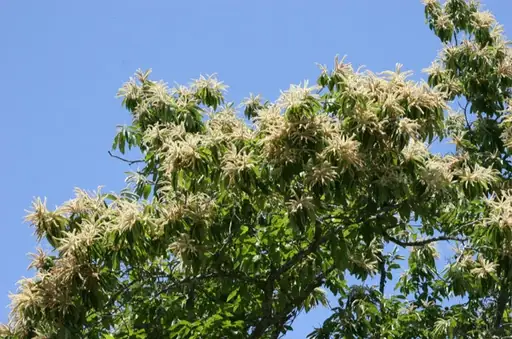
Castanea pumila, the American chinquapin or Allegheny chinkapin, is a deciduous large shrub or small tree native to the eastern and southeastern United States. Long admired by rural foragers and old-time orchardists, this relatively rare native once flourished across the South, where children filled their pockets with the spiny burrs and the sweet, nutty treasure inside.
Resembling the better-known cousin, the American chestnut (Castanea dentata), the chinquapin bears elongated, serrated, oval leaves and, from late summer into fall, small edible nuts about the size of a hazelnut, each wrapped in a prickly burr that splits when ripe. The nuts are rich, sweet, and highly prized, eaten raw, roasted, or worked into the old recipes from a time when the forest fed the family.
What sets the chinquapin apart is blight resistance. Not immune to the chestnut blight that decimated the American chestnut in the early twentieth century, C. pumila is notably more resilient, often surviving and regenerating thanks to a multi-stemmed, shrubby habit. In the right setting, on well-drained sandy to loamy soil in sun to part shade, the plant may reach small-tree stature.
Now scattered and increasingly uncommon in the wild, this native nut-bearer is both a botanical treasure and a restoration opportunity, an ideal choice for edible landscapes, native plant gardens, woodland edges, and wildlife plantings.
Photo courtesy of Carolyn Fannon.
Hay mucho más por descubrir



Preguntas y debate