

Esta página se muestra en su idioma original. La traducción aún no está disponible.
La selección de Seedsun
Ilex paraguariensis
SKU: ILEX-PARA-01G
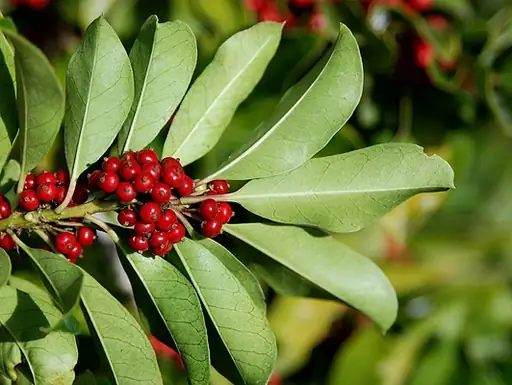
Ilex paraguariensis is the holly behind maté, the caffeine-rich tea poured from a gourd and sipped through a metal straw across Argentina, Paraguay, Uruguay, and southern Brazil. As a plant, yerba maté is a broadleaf evergreen holly, a shrub or small tree with dark, leathery, serrated leaves,.
Solicita un presupuesto personalizado
Los precios, tamaños de los paquetes y disponibilidad se confirman en su presupuesto personalizado. Enviar una consulta no implica realizar un pedido pagado.
Pregunte sobre la idoneidad, la siembra y los requisitos de cultivo.
Confirme las opciones de entrega y los documentos necesarios en su presupuesto.
Acerca de esta variedad
Ilex paraguariensis is the holly behind maté, the caffeine-rich tea poured from a gourd and sipped through a metal straw across Argentina, Paraguay, Uruguay, and southern Brazil. As a plant, yerba maté is a broadleaf evergreen holly, a shrub or small tree with dark, leathery, serrated leaves, closely resembling the native dahoon holly, Ilex cassine, of the southeastern United States, and carrying the same small white flowers and, on female plants, small red berries.
For the Guaraní and Tupi peoples of subtropical South America, maté was food, medicine, and ritual long before Europeans arrived, drunk as a stimulant, a digestive, and a general tonic, and shared hand to hand as a gesture of welcome. That custom grew into a daily habit for whole nations, and the leaf, dried and steeped, remains one of the great social drinks of the continent, now carried worldwide for the lift and the antioxidants alike. The medicinal notes below set out that tradition and the research around it.
Yerba maté remains rare in North American gardens, grown mostly by collectors drawn to plants with real cultural and economic weight. has long sought out exactly this kind of plant, the useful and the unusual, well beyond the ordinary nursery list, and yerba maté sits squarely in that tradition: a working tea plant that also happens to be a handsome evergreen.
In the garden yerba maté wants what the wild plant knows: fertile, well-drained, acidic soil, steady moisture, and light shade or sun in a warm, humid climate. The upright, glossy evergreen form suits an edible landscape, a cultural or ethnobotanical collection, or a specimen where the story can be told, and in zones eight and warmer the leaves can be dried and brewed for homegrown maté. Where frost is hard, grow the plant in a large pot and move the container under cover for winter.
Hay mucho más por descubrir



Preguntas y debate