

Esta página se muestra en su idioma original. La traducción aún no está disponible.
La selección de Seedsun
Itea virginica ‘Longspire’
SKU: ITEA-VIRG-LONG-01G
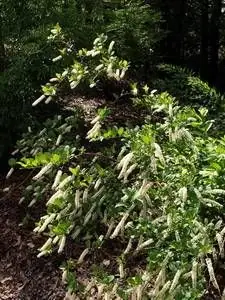
Itea virginica, the Virginia sweetspire, is a native shrub of eastern wetlands and streambanks, grown for fragrant white flower spikes in early summer and a fall display of red, orange, and burgundy. 'Longspire' is the selection chosen for its flowers: a form that carries notably long, white.
Solicita un presupuesto personalizado
Los precios, tamaños de los paquetes y disponibilidad se confirman en su presupuesto personalizado. Enviar una consulta no implica realizar un pedido pagado.
Pregunte sobre la idoneidad, la siembra y los requisitos de cultivo.
Confirme las opciones de entrega y los documentos necesarios en su presupuesto.
Acerca de esta variedad
Itea virginica, the Virginia sweetspire, is a native shrub of eastern wetlands and streambanks, grown for fragrant white flower spikes in early summer and a fall display of red, orange, and burgundy. 'Longspire' is the selection chosen for its flowers: a form that carries notably long, white racemes, arching sprays of small fragrant blooms that outdo the wild plant for length and presence in early summer.
Sometimes called Virginia willow, though the plant is no willow, the sweetspire earns its garden place several times over. The long spires nod and arch through early summer, drawing bees and butterflies, and the seeds later feed birds. Come fall the foliage turns a rich red and burgundy that holds late, deciduous in most of the range and semi-evergreen in the Deep South, where the leaves linger and the color softens.
Like the rest of the species, 'Longspire' is one of the easiest and most adaptable of native shrubs, thriving in moist to wet soil where many plants struggle, and tolerating clay, periodic flooding, and even full shade. The plant suckers gently into an arching, colonizing clump, and asks little once established.
Use 'Longspire' in a rain garden, along a pond or stream edge, massed on a damp slope for erosion control, or in a mixed native border where the long white spires and fall color carry two seasons. Give full sun to part shade for the best flowering and color, and pair with winterberry, clethra, swamp azalea, and other moisture-lovers. The plant knits a bank together and feeds pollinators through the long bloom.
Hay mucho más por descubrir



Preguntas y debate