

Esta página se muestra en su idioma original. La traducción aún no está disponible.
La selección de Seedsun
Podocarpus parlatorei
SKU: PODO-PARL-01G
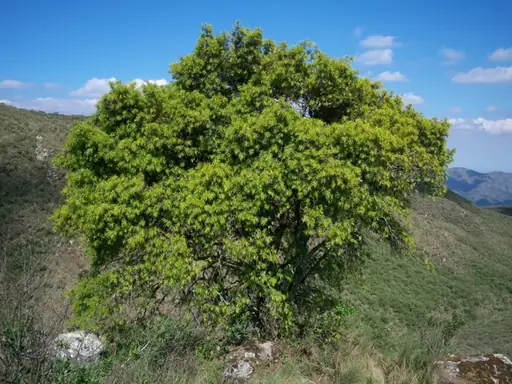
A conifer of mist and mountains, Podocarpus parlatorei comes from isolated cloud-forest ridges just east of the Andes in Bolivia and northwestern Argentina. Rare in the wild and scarcely seen in cultivation, this CITES-listed species is one of the most unusual evergreen introductions has ever.
Solicita un presupuesto personalizado
Los precios, tamaños de los paquetes y disponibilidad se confirman en su presupuesto personalizado. Enviar una consulta no implica realizar un pedido pagado.
Pregunte sobre la idoneidad, la siembra y los requisitos de cultivo.
Confirme las opciones de entrega y los documentos necesarios en su presupuesto.
Acerca de esta variedad
A conifer of mist and mountains, Podocarpus parlatorei comes from isolated cloud-forest ridges just east of the Andes in Bolivia and northwestern Argentina. Rare in the wild and scarcely seen in cultivation, this CITES-listed species is one of the most unusual evergreen introductions has ever offered.
Native to scattered high-elevation forests between roughly 1,000 and 3,000 meters, the pine of the mountain grows in humid montane country where cool air, persistent mist, and sharp drainage define the ecosystem. Those forests are biologically rich but geographically fragmented, one reason the species stays uncommon and is protected under international trade agreements. In habitat the tree can reach forty to sixty feet or more in a narrow, upright to conical crown, though a garden plant, especially in warmer temperate regions, is expected to develop more modestly while keeping the composed, vertical habit.
The foliage is distinctive: narrow, elongated, leathery leaves arranged along the stems, deep green and subtly glossy. Where the needle-bearing conifers of the north carry stiff needles, the podocarps bear flattened, strap-like leaves, which give the plant a refined, almost yew-like look with a distinctly subtropical character. As a member of the ancient Podocarpaceae, Podocarpus parlatorei belongs to a Southern Hemisphere lineage reaching back to Gondwanan times, and the presence of the species in South American cloud forests reads as a living relic of ancient continental drift. Like other podocarps, the plant bears fleshy, often colorful seed structures rather than the woody cones of pines and spruces.
The species is CITES listed, a reflection of limited and vulnerable wild populations, and the plants offers are legally propagated and responsibly sourced. is likely the first nursery to make Podocarpus parlatorei available in the United States, continuing a long tradition of introducing uncommon and botanically significant plants into cultivation.
For collectors of rare conifers, botanical institutions, and adventurous gardeners, the appeal is real: exceptional rarity, strong vertical evergreen structure, deep evolutionary history, and a genuine cloud-forest provenance. Give sharp drainage, consistent moisture without waterlogging, and shelter from severe freezes, ideally on an elevated site with good air movement.
Hay mucho más por descubrir



Preguntas y debate