
21 of the Best Houseplants for Bright Light
One of my favorite times to garden is when it’s still cool in the morning, and as I work, I feel the sun begin to warm my back. And because I live in the northeast, I savor these moments because once the first frost arrives in late fall, my outdoor gardening is on hold until the spring thaw. This.
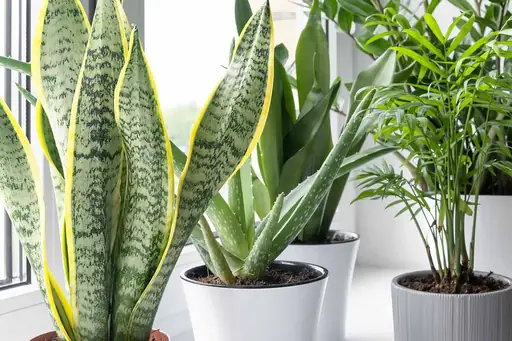
One of my favorite times to garden is when it’s still cool in the morning, and as I work, I feel the sun begin to warm my back.
And because I live in the northeast, I savor these moments because once the first frost arrives in late fall, my outdoor gardening is on hold until the spring thaw.
This article discusses 21 houseplants that thrive in bright light, to cultivate in the most cheerful rooms in your home to keep your green thumb happy all year round.
You’ll find links to complete growing guides and purchase opportunities for each entry.
Here’s our exciting lineup:
21 Houseplants that Thrive in Bright Light
1. African Violet
2. Aloe Vera
3. Anthurium
4. Areca Palm
5. Christmas Cactus
6. Coffee Plant
7. Croton
8. Donkey’s Tail
9. Dwarf Clementine
10. Dwarf Meyer Lemon
11. Elephant’s Ears
12. Flaming Katy Kalanchoe
13. Haworthia
14. Lucky Bamboo
15. Moth Orchid
16. Ponytail Palm
17. Rex Begonia
18. Shamrock
19. Sweetheart Hoya
20. Venus Flytrap
21. Weeping Fig
The pros at the New York Botanical Garden advise that plants within two to three feet of a south-facing window receive direct sunlight, while those at a distance of three to five feet are exposed to bright, indirect light.
Unless you grow a desert cactus, bright, indirect sunlight is best for most houseplants to prevent the intense rays that penetrate window glass causing leaf discoloration or scorching.
If you place pots on a windowsill, monitor them for overexposure symptoms and adjust the distance as needed. Occasionally, rotate the pots to expose all parts of the foliage to sunlight.
Note that some of the entries in this may also be suitable for medium-light situations – and if you want to learn more about low-light houseplants, check out our guide!
Read on for 21 exciting houseplant options for bright areas of your home and choose your new favorites!
1. African Violet
The African violet, Streptocarpus subg. Streptocarpella sect. Saintpaulia, is a compact flower with a whorl of fuzzy foliage that is round or heart shaped, green on top, and often purplish on the underside.
Blossoms in shades of blue, orange, pink, purple, red, or yellow, sometimes bicolored or fringed, perch atop the leaves and are the star attraction.
African Violets
Plants may achieve mature dimensions of six to 24 inches tall and wide, prefer rich, loamy soil, and have moderate water needs.
A temperature range of 65 to 80°F, in location with bright, indirect light, and approximately 80 percent humidity is ideal.
Please see our guide to growing African violets for more details.
2. Aloe Vera
Aloe vera, aka A. barbadensis, is an evergreen tropical succulent with a very short stem. It stores water in fleshy, pointed, serrated foliage.
Young leaves are green and flecked with white. Indoor plants are unlikely to flower, but those outdoors produce a stalk approximately three feet tall and greenish-yellow blossoms.
Aloe leaves have gel-like centers that contain anti-inflammatory properties. This gel has been long used in herbal medicine to treat burns and stings. The leaves also contain a layer of latex that may cause an allergic reaction in some people.
Aloe Vera
When grown indoors, expect mature heights of one to three feet with a spread of two to three feet. Plants prefer loose, sandy soil and have low water needs.
Set in a bright spot, the ideal temperature for cultivation is 55 to 85°F. Aloe does not require humidity, so an average indoor humidity between 30 and 50 percent is suitable.
Our guide to growing aloe has full cultivation details.
3. Anthurium
Anthurium, Anthurium spp., is a tropical perennial epiphyte that clings to other flora for support in its native setting.
Some species produce leaf variations called “spathes” that are brightly colored and punctuated by a central “spadix” or fleshy stalk with many tiny blossoms.
Spathe colors may be variegated and include shades of gold, green, purple, red, yellow, and white.
Note that this species is toxic to humans and animals so be cautious about placement if you have curious kids and pets.
Red Heart Anthurium
Expect a mature height of 12 to 24 inches with a spread of five to 12 inches. Anthuriums prefer a loose, airy potting medium like you would use for a cactus or an orchid. Water needs are moderate.
Provide a setting with bright light and a temperature range of 78 to 90°F during the day and 70 to 75°F at night. A humid environment of 50 percent or higher is best.
See our guide to growing anthurium for more information.
4. Areca Palm
Tropical areca palm, Dypsis lutescens, aka bamboo palm, makes a bold statement in home decor with its multiple stems and narrow, feathery, green foliage fronds.
Expect mature dimensions of five to eight feet tall and three feet wide. Areca palms prefer organically rich soil and have moderate water needs.
Areca Palm
The best setting has bright, indirect light, daytime temperatures in the 75 to 85°F range, nights above 65°F, and humidity of at least 45 percent.
Our guide to growing areca palm has more details.
5. Christmas Cactus
The Christmas cactus, aka holiday cactus, Schlumbergera spp., is a flowering tropical succulent.
In its native rainforest home, it grows without soil as an epiphyte, relying on tree bark and other natural elements for support.
The foliage is unique for its segmented cladodes. Multi-petaled, tubular flowers appear at the arching terminal ends in shades of orange, pink, purple, red, salmon, white, and yellow.
Christmas Cactus
Mature dimensions are one foot tall and two feet wide. Christmas cacti prefer organically rich soil and have low to moderate moisture needs.
Ideal bright-light growing environments have daytime temperatures around 70°F and nights in the 60 to 65°F range. High indoor humidity of over 50 percent is best for these plants.
Christmas cacti are available from Wayfair.
See our Christmas cactus growing guide for cultivation details.
6. Coffee Plant
The coffee plant, Coffea arabica, features glossy, dark green foliage and produces red fruits that cluster along its woody stems, each containing one to two coffee seeds or “beans.”
Indoor cultivation is less likely to result in flowering and fruiting than plants growing outdoors.
Coffee Plant
Mature dimensions may be six feet tall and three feet wide. Indoor plants are usually smaller and easy to prune. Coffee plants prefer loamy, organically-rich soil and have moderate water needs.
They prefer abundant bright light, cool temperatures in the 64 to 72°F range and high humidity over 50 percent.
See our coffee plant growing guide for more information.
7. Croton
Tropical croton, Codiaeum variegatum, boasts showy variegated foliage in bold and bright green, orange, red, and yellow hues.
There may be inflorescences of tiny, white star-like blooms. Note that crotons are toxic to people and pets.
Mature heights are two to six feet tall and wide. Crotons prefer organically-rich soil and have moderate water requirements.
Ideal indoor conditions are 60 to 85°F, bright, indirect light, and humidity over 50 percent.
‘Petra’ Croton
C. variegatum ‘Petra’ offers spectacular variegation and mature dimensions of seven to ten feet tall and four to six feet wide.
Our croton growing guide provides cultivation details.
8. Donkey’s Tail
Donkey or burro’s tail, Sedum morganianum, is an evergreen succulent with trailing strands of fleshy blue-green leaves with a whitish cast.
Blooming indoors is unusual; when it occurs, clusters of tiny pink or red star-like blossoms appear at the terminal ends of the foliage.
Donkey’s Tail
Donkey’s tails can grow to four feet long with a one-and-half-foot spread. They prefer well-draining cactus and succulent potting medium and have low to moderate water needs.
Keeping pots outdoors in a sunny spot during the warm summer months and in a location between 50 and 69°F in the winter may promote blooming.
Our donkey’s tail growing guide has more information.
9. Dwarf Clementine
Tropical dwarf citrus trees make excellent houseplants with glossy green leaves, fragrant blooms, and delicious fruit.
Clementine, Citrus x clementina, is a hybrid created by crossing a mandarin orange with a sweet orange. It has fragrant white blossoms.
‘EasyPeel’ is a dwarf clementine with a mature height of approximately eight feet and a spread of four to six feet.
Indoor plants are usually smaller and are easy to prune to keep at a compact size. The ideal soil is organically rich and sandy.
‘EasyPeel’ Dwarf Clementine
To grow clementines, provide bright light and maintain a temperature between 65 and 70°F during the day and 55 to 60°F at night. Keep the humidity above 50 percent.
See our guide to growing dwarf citrus trees for more information.
10. Dwarf Meyer Lemon
Another dwarf citrus tree you may like is the Meyer lemon, Citrus x limon ‘Meyer,’ with its glossy green leaves and scented white flowers.
Believed by many in culinary circles to be one of the most flavorful lemon varieties, it is actually a hybrid cross between a citron and a mandarin or pomelo.
Mature heights are six to 10 feet tall with a spread of four to five feet, but indoor plants tend to be smaller and are easy to prune. Cultivate in sandy loam. Moisture needs are low.
Dwarf Meyer Lemon
A bright, sunny daytime placement with average household temperatures, nights around 65°F, and humidity above 50 percent will keep the plant happy.
11. Elephant’s Ears
Elephant’s ears, Alocasia spp., have bright green leaves accented by prominent white veins.
They are long, pointed, and resemble the ears of the majestic Asian pachyderms of their native lands. Note that these plants are toxic to people and pets.
Species vary, but generally, indoor plants grow between one and six feet tall and one to four feet wide. Elephant ears grow best in a soilless potting medium with moderate moisture.
They require temperatures of 60°F or higher and humidity of at least 50 percent.
Alocasia ‘Black Velvet’ is an exemplary elephant ears cultivar that features velvety leaves in a green-black hue. Mature dimensions are one to two feet tall and wide.
Black Velvet Alocasia
While they thrive in bright light, make sure that you avoid direct sun placements as this can burn the foliage.
See our guide to growing alocasia for cultivation details.
12. Flaming Katy Kalanchoe
Flaming Katy kalanchoe, Kalanchoe blossfeldiana, aka Christmas kalanchoe, is a succulent species with fleshy, waxy, scalloped leaves and tiny, multi-petaled flowers in vivid shades of orange, pink, purple, red, yellow, and white.
Please note this plant is toxic to people and pets.
Mature dimensions are six to 18 inches tall and wide. Cultivate it in cactus and succulent potting medium with low moisture.
Flaming Katy Kalanchoe
The ideal temperature range is 60 to 75°F, with average humidity, in a bright, sunny location. Flaming Katy may be prone to leaf spot diseases if it’s grown in overly humid conditions.
Learn more about growing flaming Katy in our guide.
13. Haworthia
Haworthia, Haworthia spp., is a fleshy, stemless succulent with pointed, speckled foliage resembling an aloe.
While blooming is not guaranteed when it’s cultivated indoors, haworthia may produce a raceme or flower stalk adorned with tiny, star-like white flowers.
The mature height ranges from three to 20 inches, depending on the species. Widths measure one and a half to 12 inches.
Haworthia
Plants thrive in succulent and cactus potting soil and have low water needs.
Provide a brightly-lit environment with temperatures in the 75 to 90°F range and 30 to 50 percent humidity.
Our guide to growing haworthia has more information.
14. Lucky Bamboo
Lucky bamboo, Dracaena sanderiana, features green bamboo-like stems with lance-shaped leaves.
Indoor cultivation is less likely to produce the clusters of tiny, white, tubular blossoms, but they may appear. Note that this species is toxic.
Lucky Bamboo
Expect mature dimensions of one to three feet tall and one to two feet wide. Cultivate in water or cactus and succulent potting mix. Plants have moderate water needs.
Lucky bamboo likes a bright placement and can withstand temperatures ranging from 50°F to the high 90s. The average home temperature and humidity are suitable.
Lucky bamboo is available from Wayfair.
Our guide to growing lucky bamboo has more information.
15. Moth Orchid
The moth orchid, Phalaenopsis spp., is a tropical epiphyte that clings to bark or rocks in the rainforest. It’s one of the easier orchids to grow.
Wax-like brown, orange, pink, yellow, white, or bicolored flowers cluster along gracefully arching racemes protruding from leathery green basal foliage.
Mature dimensions are up to three feet tall and a foot wide. These plants prefer a loose bark orchid potting medium and moderate water.
Moth Orchid
A bright spot with an indoor temperature of approximately 80°F and nights dropping to about 65°F is ideal. The humidity should be in the 40 to 70 percent range.
Check out our guide to growing moth orchids for more information.
16. Ponytail Palm
The ponytail palm, Beaucarnea recurvata, aka elephant’s foot, is not a true palm but a relative of agave and asparagus.
It has recurved, fountain-like foliage and a unique water-storing caudex – an enlargement at the base of the trunk that resembles a pachyderm foot.
Outdoors, mature specimens produce clusters of pink or white flowers above the foliage, but this is unlikely indoors.
Ponytail Palm
Mature dimensions are four to eight feet tall with a spread of three to five feet.
Indoors, they should top out at four feet tall, on average. Ponytail palms prefer gritty soil and have low to moderate water needs.
A bright location with a temperature of about 70⁰F and low humidity in the 30 to 50 percent range of the average healthy home are best.
Read our guide to growing ponytail palms to learn more.
17. Rex Begonia
Tropical rex begonia, Begonia x rex-cultorum, is prized for its artistically variegated foliage with bumps, ridges, ruffles, a silvery shimmer, and colors ranging from pink and red to maroon and purple, as well as lavender and lime green.
Expect mature dimensions of six to 18 inches tall and wide. Rex begonias prefer a loose, peat-based potting medium and have moderate water requirements.
Harmony’s ‘Red Robin’
The ideal temperature is 70°F during the day and 60°F at night with 50 percent or more humidity. Provide bright, indirect light. Note that this species is toxic to pets and people.
B. x rex-cultorum Harmony’s ‘Red Robin’ features bright and dark red leaves and is available from Wayfair.
Learn more about growing rex begonia here.
18. Shamrock
Shamrocks, Oxalis spp., have green, purple, or variegated heart-like foliage and pink, red, white, or yellow flowers.
Botanically they are not true shamrocks (Trifolium spp.) but bear a likeness to the three-lobed leaves.
Mature heights range from six to 18 inches tall with a spread of 12 to 24 inches. Shamrocks do best in organically rich, moisture-retentive soil and have a moderate need for water.
Shamrock Plants
Sunny spots with daytime temperatures of 70 to 75°F and 50 to 60°F at night are best. Heat stress and premature dormancy may occur at temperatures above 80°F. The ideal humidity is above 50 percent.
See our shamrock growing guide for details.
19. Sweetheart Hoya
Succulent sweetheart hoya, Hoya kerrii, is an epiphyte that clings to other plants in its native tropical habitat.
Noteworthy for its thick green heart-shaped leaves, this vining species will likely produce wax-like, cream-colored flowers indoors.
Mature dimensions may reach 10 feet long and one to two feet wide. An airy orchid potting medium or a very coarse, loose cactus and succulent soil, and low to moderate water suit this species.
Sweetheart Hoya
The ideal growing environment has temperatures in the range of 65 to 80°F and never lower than 60°F. The humidity should be in the 25 to 49 percent range.
See our sweetheart hoya growing guide for more information.
20. Venus Flytrap
The carnivorous Venus flytrap, Dionaea muscipula, supplements its diet with passing insects that trigger the hairs in its hinged, jaw-like foliage.
It may reward you with flower stalks bearing clusters of tiny white blossoms.
Mature heights are six to 12 inches with a spread of six to eight inches. Plants do best with acidic, nutrient-poor soil and consistent moisture.
Venus Flytrap
Venus flytraps prefer bright light and temperatures ranging from 70° to 95°F during the growing season and tolerate a dip as low as 40°F during winter dormancy.
The ideal humidity is approximately 50 percent.
Learn more about Venus flytraps here.
21. Weeping Fig
The weeping fig, Ficus benjamina, aka ficus tree, has multiple intertwining trunks and glossy green or variegated foliage. The branches gradually arch with maturity for a cascading presentation.
It may reach up to 14 feet tall with a spread of four feet; however, pruning is an option to keep it more compact. Cultivate in standard potting soil and provide moderate water.
Weeping Fig
The temperature should be in the 75 to 85°F range during the day and 60 to 75°F at night, with humidity between 50 and 75 percent.
See our guide to growing weeping figs for more information.
Bright-Light Plant Pals
With 21 bright-light houseplants to choose from, all that’s left to do now is make room near your sunniest windows or under grow lights and start cultivating your favorites.
Caring for houseplants is therapeutic and precisely what’s needed after a long, hard day. Kick off your shoes, turn on some music, and enjoy time with your plant pals.
What bright-light houseplants are your favorites? Tell us why in the comments section below.
If you enjoyed reading about bright-light houseplants, we recommend the following guides next:
- Houseplant Primer: A Guide to Basic Care and Durable Plants
- How to Select the Best Houseplant Potting Soil and Containers
- How to Use a Light Meter for Houseplants
- Facebook6
- X




Questions et discussion