

Cette page est affichée dans sa langue d'origine. La traduction n'est pas encore disponible.
La sélection Seedsun
Croton alabamensis
UGS: CROT-ALAB-01G
Few native shrubs carry as much quiet history as Croton alabamensis, the Alabama croton, a rarity known in the wild from only a handful of counties along the Cahaba and Black Warrior rivers, where the shrub clings to dry, limestone bluffs. This is a plant of the Southern woodland edge, once more.
Demandez un devis personnalisé
Les prix, les conditionnements et la disponibilité sont confirmés dans votre devis personnalisé. L'envoi d'une demande de renseignements ne constitue pas une commande.
Renseignez-vous sur l'adéquation, les conditions de semis et de culture.
Veuillez confirmer les options de livraison et les documents requis dans votre devis.
À propos de cette variété
Few native shrubs carry as much quiet history as Croton alabamensis, the Alabama croton, a rarity known in the wild from only a handful of counties along the Cahaba and Black Warrior rivers, where the shrub clings to dry, limestone bluffs. This is a plant of the Southern woodland edge, once more widespread and now treasured wherever a gardener can offer the Alabama croton a home.
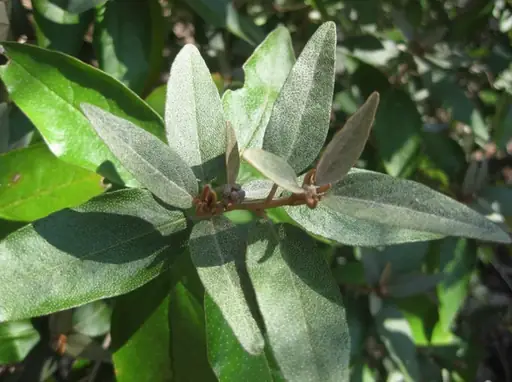
The foliage is the whole show. Each leaf is bright green above and silver below, so the smallest breeze sets the shrub shimmering, and a crushed leaf releases a soft banana-and-apple fragrance that surprises anyone expecting a croton to smell of nothing. Small greenish-yellow flowers open in spring, modest but useful to the earliest pollinators. Then autumn arrives and the older leaves turn a warm pumpkin orange that lingers into winter, a color worth planting for.
Give the Alabama croton partial shade and well-drained, slightly alkaline soil, and the shrub asks for little else. Drought tolerant once established and left alone by deer, this croton settles happily into a native understory, a conservation planting, or a shaded border, holding to a modest four to six feet beneath oaks, hickories, and other hardwoods. To grow the Alabama croton is to keep a piece of the Southern flora close, a living link to the limestone country where the shrub still holds on.
Plus à découvrir



Questions et discussion