

Cette page est affichée dans sa langue d'origine. La traduction n'est pas encore disponible.
La sélection Seedsun
Indio Mandarinquat
The Indio mandarinquat is one of those happy accidents that citrus breeding throws up now and then, a natural cross between a mandarin (Citrus reticulata) and a kumquat (Citrus japonica) that borrows the best of both parents. From the mandarin come the size, the deep orange color, and the perfume;.
Demandez un devis personnalisé
Les prix, les conditionnements et la disponibilité sont confirmés dans votre devis personnalisé. L'envoi d'une demande de renseignements ne constitue pas une commande.
Renseignez-vous sur l'adéquation, les conditions de semis et de culture.
Veuillez confirmer les options de livraison et les documents requis dans votre devis.
À propos de cette variété
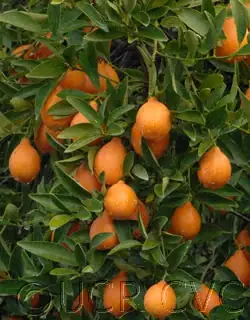
The Indio mandarinquat is one of those happy accidents that citrus breeding throws up now and then, a natural cross between a mandarin (Citrus reticulata) and a kumquat (Citrus japonica) that borrows the best of both parents. From the mandarin come the size, the deep orange color, and the perfume; from the kumquat come the sweet, tender, wholly edible rind and a welcome measure of cold tolerance. The fruits hang like small golden lanterns against dark evergreen leaves through winter, oblong and glossy, and the whole tree carries a poise that belies how easy the plant is to grow.
The story behind the name is pure horticultural serendipity. The original seedling appeared, open-pollinated and unbidden, beneath an old Nagami kumquat at UCLA, the pollen parent never recorded. Distinctive enough to be worth saving, the seedling was collected in 1972 at the United States Date and Citrus Station in Indio, California, and that desert town lent the mandarinquat the name carried today. The variety now resides in the Givaudan Citrus Variety Collection at the University of California, Riverside, a quiet pedigree for a fruit still uncommon in gardens.
Mandarinquats belong to the small, useful tribe of kumquat hybrids that turn citrus growing on its head, since here the peel is the sweet part and the flesh the tart one, and the fruit is eaten whole, skin and all. Bite into one and the thin rind gives a honeyed, floral brightness before the pulp answers with a lemony tang. Cooks have long prized the mandarinquat for exactly this contrast, candying the fruits, simmering them into marmalade, slicing them into salads, or muddling them into cocktails and syrups where the aromatic, faintly bitter edge does work no ordinary orange can manage.
In the garden the mandarinquat earns a place as much for looks as for harvest. Compact and evergreen, the tree settles happily into a large container on a sunny patio, anchors an edible landscape, or stands as a small specimen near a door where the fragrant white spring blossoms can be met at close range. Hardier than most sweet citrus, holding to the low twenties Fahrenheit once established, the plant suits gardeners across zones 8 through 11, and farther north takes kindly to a pot that can be wheeled under cover when hard frost threatens. Give full sun, sharp drainage, and a spot out of cold wind, and the reward is a winter tree hung with edible gold.
Plus à découvrir



Questions et discussion