

Cette page est affichée dans sa langue d'origine. La traduction n'est pas encore disponible.
La sélection Seedsun
Rosa sp. ‘Old Blush’
UGS: ROSA-OLD-BLUS-01G
Nearly every rose in your garden that blooms more than once a year owes a debt to this one. 'Old Blush' is a China rose, bred in China for something close to a thousand years and known there as the monthly pink, and they are generally reckoned the first East Asian rose to reach Europe, recorded in.
Demandez un devis personnalisé
Les prix, les conditionnements et la disponibilité sont confirmés dans votre devis personnalisé. L'envoi d'une demande de renseignements ne constitue pas une commande.
Renseignez-vous sur l'adéquation, les conditions de semis et de culture.
Veuillez confirmer les options de livraison et les documents requis dans votre devis.
À propos de cette variété
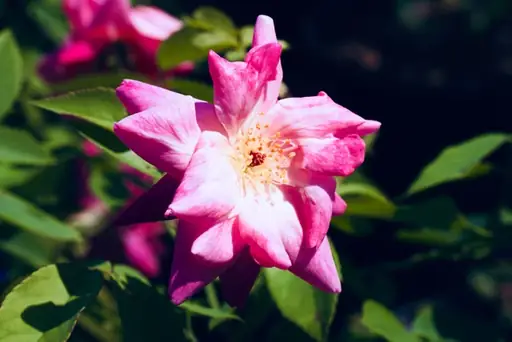
Nearly every rose in your garden that blooms more than once a year owes a debt to this one. 'Old Blush' is a China rose, bred in China for something close to a thousand years and known there as the monthly pink, and they are generally reckoned the first East Asian rose to reach Europe, recorded in Sweden by 1752 and offered in England as Parson's Pink China in 1793. They brought with them the one thing Western roses simply did not have: the habit of blooming again and again across the season rather than once and done. Crossed into the old European roses, that single trait rewrote the genus. On the Ile Bourbon they met an autumn damask and produced the Bourbons; in Charleston, just down the road, the rice planter John Champneys crossed them with a musk rose and produced the first Noisette, the only rose class born in the American South. Bourbons, Noisettes, hybrid perpetuals, and in time the hybrid teas all trace back through this unassuming pink shrub. 'Old Blush' could have retired on the legacy and instead just kept flowering. In the South they are very nearly everblooming, throwing clusters of soft semi-double pink that, in the China way, deepen rather than fade in the sun, blush going to rose as each flower ages. The canes are nearly thornless, the constitution famously tough; these are the roses you still find blooming alone at abandoned homesteads, having outlived the house and the gardener both. Grow them for the flowers. Know that you are also growing the root of the whole modern family.
Plus à découvrir



Questions et discussion