

Cette page est affichée dans sa langue d'origine. La traduction n'est pas encore disponible.
La sélection Seedsun
Rosmarinus officinalis
UGS: ROSM-OFFI-01G
Rosemary is a timeless classic in both the garden and the kitchen, an aromatic evergreen shrub of the sun-baked Mediterranean coast, so distinctive that botanists long kept rosemary in a genus apart, Rosmarinus officinalis, before recent study moved the herb into the sages as Salvia rosmarinus. The.
Demandez un devis personnalisé
Les prix, les conditionnements et la disponibilité sont confirmés dans votre devis personnalisé. L'envoi d'une demande de renseignements ne constitue pas une commande.
Renseignez-vous sur l'adéquation, les conditions de semis et de culture.
Veuillez confirmer les options de livraison et les documents requis dans votre devis.
À propos de cette variété
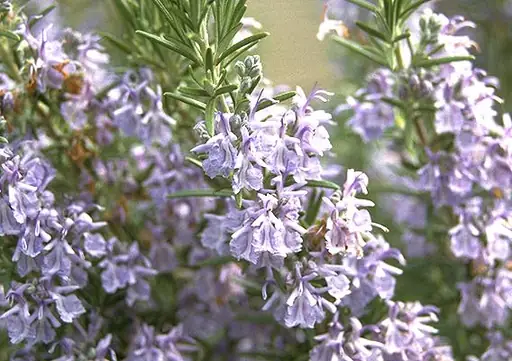
Rosemary is a timeless classic in both the garden and the kitchen, an aromatic evergreen shrub of the sun-baked Mediterranean coast, so distinctive that botanists long kept rosemary in a genus apart, Rosmarinus officinalis, before recent study moved the herb into the sages as Salvia rosmarinus. The old genus name means dew of the sea, for the plant's love of bright, salt-swept coastal hillsides. Slender, needle-like, deep green leaves clothe the woody stems the year round, and soft blue flowers open along them from winter into spring.
Few herbs carry so much lore. For thousands of years rosemary has stood for memory, loyalty, and protection: ancient Greek students wore sprigs in their hair while studying, Romans wove the herb into wedding garlands, and for centuries the plant was hung by doorways to guard against misfortune. That association with memory runs from Shakespeare's Ophelia, rosemary for remembrance, straight through to modern research into the plant's neuroprotective compounds.
In the kitchen rosemary is indispensable, the piney, resinous seasoning for roasted meats, breads, potatoes, and oils, and the leaves have an equally long place in traditional European medicine, taken as a tea to settle digestion and lift the spirits and applied to the hair and skin. Modern work has focused on the rosmarinic and carnosic acids behind the plant's antioxidant and antimicrobial activity. The flowers and foliage also draw bees, and the aromatic leaves are reliably left alone by deer.
Give rosemary the hot, bright, sharply drained spot the plant evolved for: a herb garden, a sunny border, a gravel or Mediterranean planting, a raised bed, or a large container by the kitchen door. Full sun, lean well-drained soil on the neutral to slightly alkaline side, and room for air to move are the whole secret; overwatering and wet winter soil are the surest ways to lose the plant. Pair with lavender, sage, thyme, and other Mediterranean herbs, and where hard freezes threaten, grow rosemary in a pot that can shelter under cover.
Plus à découvrir



Questions et discussion