
How to Plant and Grow Sweet Cicely
Myrrhis odorata Sweet cicely, Myrrhis odorata, is an aromatic perennial herb in the Apiaceae or carrot family with edible flowers, leaves, roots, seeds, and stems. The only species in the Myrrhis genus, sweet cicely, aka anise root, sweet chervil, and myrrh, has a long history of medicinal use and.
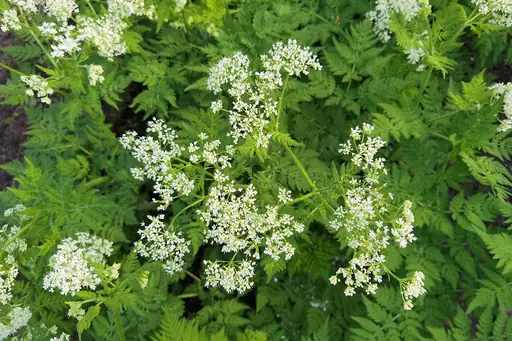
Myrrhis odorata
Sweet cicely, Myrrhis odorata, is an aromatic perennial herb in the Apiaceae or carrot family with edible flowers, leaves, roots, seeds, and stems.
The only species in the Myrrhis genus, sweet cicely, aka anise root, sweet chervil, and myrrh, has a long history of medicinal use and is not to be confused with the Biblical aromatic myrrh, Commiphora myrrha.
Nor is it to be mistaken for Clayton’s sweetroot or hairy sweet cicely, Osmorhiza claytonii, a US native wildflower with similarly flavored edible seeds, roots, and leaves.
Sweet cicely is suited to cultivation in USDA Hardiness Zones 3 to 7 where it can spread quite aggressively via self-sowing unless you take care to harvest the seeds.
Read on to learn how to grow and care for sweet cicely, M. odorata, in the home garden.
Here’s what we’ll cover:
What You’ll Learn
Quick Look
How to Grow
Where to Buy
Propagation
Pests and Disease
Harvesting
Preserving
M. odorata has a long taproot and a bushy, upright growth habit. Mature dimensions are three to six feet wide and two to five feet tall.
The foliage is finely serrated, fernlike, hairy, and soft. The leaves sometimes have silvery-white coloration splashed across them.
Flattened clusters or umbels of creamy white blossoms perch atop stems in late spring to summer. Long green pods open to reveal shiny, dry black seeds in the fall.
All parts of the sweet cicely plant have a strong, sweet anise or licorice-like flavor.
Quick Look
Common name(s): Sweet cicely, anise root, sweet chervil, myrrh
Plant type: Herbaceous perennial
Hardiness (USDA Zone): 3-7
Native to: Central and southern Europe
Bloom time / season: Late spring, early summer
Exposure: Full sun to part shade
Soil type: Organically-rich, well draining
Soil pH: 4.5-7.4, acidic to neutral
Time to maturity: 120 days
Spacing: 24 inches
Planting depth: 1/2 inch (seeds), same depth as container (transplants)
Mature size: 2-5 feet wide x 3-6 feet high
Water Needs: Moderate
Taxonomy
Order: Apiales
Family: Apiaceae
Genus: Myrrhis
Species: Odorata
The leaves taste best when the flower stems are removed before budding to direct energy into foliage production.
They are brewed for tea, cooked as a side dish, served as a garnish or addition to salads, or infused into oils or liqueurs.
The crushed seeds are a flavorful spice for baked goods. The roots are easy to prepare in a similar way as carrots or parsnips.
Native to central and southern Europe, sweet cicely plants grow wild in hedgerows, woodland clearings, and roadbeds.
They have a history of use by herbalists to stimulate the appetite and suppress coughs.
Please note that foraging for M. odorata is not recommended, as several poisonous lookalike plants are found in various regions, including hemlock, Conium maculatum.
How to Grow
This herb is easy to grow and as mentioned, it can spread aggressively, so choose a location carefully, or be sure to remove seed pods to prevent self-sowing.
Light
Sweet cicely needs a full-sun to part-shade location. Afternoon shade is ideal, especially in warmer locales.
Soil
The soil should be organically rich and well-draining. The herb tolerates a wide pH range of between 4.5 and 7.4.
Conduct a soil test to determine your soil’s pH and nutrient content.
The addition of compost can increase acidity and well-rotted manure increases alkalinity; both amendments enrich the soil with nutrients.
Water
Sweet cicely likes moisture, so water weekly in the absence of rain and often during dry spells.
Use a moisture meter as a guide and don’t let the ground or potting soil become completely dry.
Fertilizing
Fertilizer is not usually required unless your soil is severely depleted and in that case, use the results of your soil test to determine how to amend it.
If you fertilize, wait for transplants to put on new leaves, and use a slow-release, granular product with a 5-10-10 NPK.
A higher nitrogen content will likely result in an overabundance of leaves and fewer flowers. Feed established perennials annually in early spring.
Companion Planting
Interplant with flora of similar cultural requirements, such as alliums, carrots, chervil, chives, fennel, parsley, and rhubarb, to contribute to landscape diversity and attract beneficial pollinators.
Weed the garden regularly to prevent competition for moisture and nutrients, promote air circulation, and inhibit pests.
Where to Buy
If you haven’t got a gardening friend with pods ready to ripen, you’ll need to find a reputable source of seeds.
You can sometimes find them in your local garden center or nursery, otherwise look online.
Sweet Cicely Seeds
Propagation
To start plants, you’ll need seeds or root divisions. Let’s discuss both propagation methods.
From Seed
Fresh, viable seeds take about 42 days to germinate and 120 days to mature.
Photo by Cephas, Wikimedia Commons, via CC BY-SA.Sweet cicely seeds need to be cold stratified before they’ll germinate.
If you harvest seeds from existing plants in the fall, you can sow them immediately and allow the stratification to happen naturally.
To do this, work the soil to a depth of 10 to 12 inches, until it’s crumbly and free from debris.
Sow seeds half an inch deep and 24 inches apart.
Alternatively, you can start seeds indoors. You’ll need to cold stratify them for 12 weeks and sow them in seed starter cells about eight weeks before your last average frost date.
- To cold stratify, put the seeds in a zip-top bag with moistened peat moss and keep them in the refrigerator. Don’t allow the peat moss to dry out.
- After 12 weeks, prepare a seed-starting tray or containers with moistened potting soil.
- Sow two seeds in each cell about half an inch deep and an inch apart.
- Place starter trays in bright indirect sunlight and keep the soil moist but not soggy.
- When the seedlings have two sets of true leaves, prick out the weaker seedling and continue to keep the medium moist.
After the last average frost date passes you can harden off the seedlings over the course of a week before transplanting.
By Root Division
Mark the location(s) of your plants. In early spring, after the last average frost date passes, and before new foliage sprouts, dig up the plants you want to divide.
Use your foot to press a long-handled garden fork into the soil about eight inches from a clump of foliage. Dig and lift around it, 12 to 18 inches deep, to unearth the tap root.
Use sanitary shears to cut the taproot into sections. Ideally, each section will have one or more root nodes, aka “eyes,” and side feeder roots.
Replant the divisions about two inches deep, with the nodes facing upwards.
Transplanting
When transplanting seedlings, divisions, or nursery starts, prepare the soil to a crumbly consistency to a depth of 10 to 12 inches.
Set the transplants at the same depth as in their original containers, with at least 24 inches between them. Tamp the soil to secure them in place and water well.
Pests and Disease
Sweet cicely is not prone to pests or disease.
By keeping the garden free from weeds, watering at soil level instead of on the foliage, and maintaining adequate spacing between plants, you’ll likely not experience any issues.
A disease you may encounter is gall-forming rust fungus, caused by Puccinia chaerophylli.
Symptoms include yellow spots on the foliage followed by orangish pustules.
Treatment with sprays of neem oil may be effective.
Harvesting
You can harvest the leaves and stems throughout the growing season.
Young, tender leaves and stems are perfect for raw culinary applications, including for brewing as tea, while more mature foliage is better when it’s cooked.
You can dig up some first-year plants at season’s end to eat the tender roots as well.
Use the flowers as lovely garnishes and pick the unripe green pods to chew as a handy breath freshener.
Harvest the ripe black seeds to sow new plants or use in culinary applications.
Preserving
Store harvested dry seeds in airtight jars in a cool, dark, dry place. Sow them as soon as possible to ensure viability. Or, store them for two to three years for culinary use.
The leaves and stems lose flavor when dried, but if you want to, you can harvest a bouquet of leafy stems, bind them together with string, and suspend the bundle from a hook in a warm, dry, airy location until they are brittle.
Then, break the leaves and stems into bits and store them in airtight jars. They should remain fresh and flavorful for several months.
Fragrant, Toothsome Sweet Cicely
Sweet cicely is a low-maintenance perennial herb that likes morning sun and moist, well-draining soil.
It tolerates a range of soil acidity and shares the garden companionably with plants that have similar cultural requirements.
Its roots, seeds, stems, leaves, and flowers have a refreshing aroma and flavor similar to anise or licorice.
Do you grow sweet cicely? Please tell us how it performs in your growing Zone and how you enjoy it.
If you found this article informative and want to read about more perennial aromatic herbs, we recommend the following:
- How to Grow and Care for Common Thyme
- How to Start Your Own Herb Garden
- How to Plant and Grow Common Sage
- X




Domande e discussione