
How to Propagate Aloe from Seed
Aloe is a large genus of flowering succulents in the Asphodelaceae plant family. Aloe vera, aka Barbados aloe, A. barbadensis, is a stemless or short-stemmed species with a rosette of serrated, spear-like foliage. The succulent leaves contain a gel rich in anti-inflammatory and healing compounds..
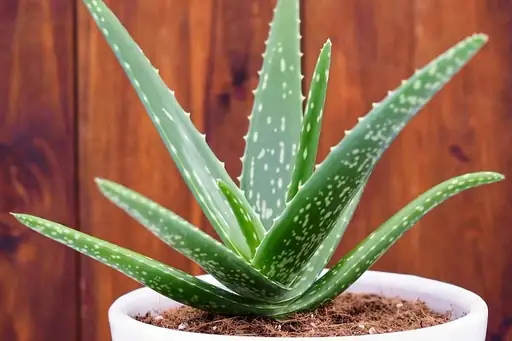
Aloe is a large genus of flowering succulents in the Asphodelaceae plant family.
Aloe vera, aka Barbados aloe, A. barbadensis, is a stemless or short-stemmed species with a rosette of serrated, spear-like foliage.
The succulent leaves contain a gel rich in anti-inflammatory and healing compounds.
Cultural requirements include bright, indirect sunlight, loose, well-draining soil, and infrequent watering.
Mature heights are one to three feet tall and two to three feet wide. Plants grow outdoors in Zones 9 to 11 and are ideal as houseplants elsewhere.
Most species flower in the winter. Outdoor plants are more likely than indoor ones to display stalks of tubular blossoms, generally in shades of orange, red, or yellow.
Our comprehensive guide to growing aloe vera has information applicable to growing these succulents as houseplants.
This article discusses propagating aloes from seeds.
Here’s what we’ll cover:
What You’ll Learn
Sourcing Seeds
Prepare the Pots
How to Sow
Sourcing Seeds
Most species, including A. vera, are “self-incompatible” which means they will only form fertile seed through cross-pollination from another aloe specimen growing nearby.
Birds and insects are the primary pollinators of the tubular flowers, and flowers may be pollinated by other species in the Aloe genus, leading to diverse cross-breeding, and hybrid seed that either can’t replicate the traits of a parent or are sterile.
A few species, including A. reitzii var. reitzii, are self-compatible but unable to self-pollinate, relying on bees for pollination in the wild.
Like many other succulents, growing aloe plants from seed can be a hard proposition.
When viable seeds do form, the germination rate of A. vera is zero to 25 percent. Even under laboratory conditions, the maximum success rate is only 70 percent.
Viable A. vera seeds that germinate take three to four years to mature and typically live approximately 12 years.
A more reliable method of propagating aloes is by separating pups, which you can read about in our guide.
If you have an outdoor plant that flowers, pods will follow. When the pods turn brown, split them open and collect the tiny, flattened, papery, blackish seeds.
Sow them as soon as possible for maximum viability, and be prepared for variable results.
Alternatively, you may be able to purchase seeds, though be sure to find them from a reputable vendor.
Prepare the Pots
Before you harvest your seeds, you’ll need starter pots. You can use any four-inch container, either biodegradable or plastic, or a multi-cell starter tray.
Many starter pots and trays come with domed lids which create a mini self-watering greenhouse that increases humidity.
If you select pots or trays without domes, you can create the greenhouse effect by covering them with plastic wrap or zippered plastic bags.
For domes with non-adjustable vent holes, you can place clear tape over them during the initial germination phase.
Plant Nursery Pots with Humidity Domes are made from sturdy, soft plastic that flexes for easy transplanting and are robust enough to reuse.
Nursery Pots with Humidity Domes
They measure four by four by three inches and have clear, vented domes that fit over the tops to trap moisture while promoting airflow.
This seed starter tray with humidity dome is a reusable system. It has six clear plastic, four-inch starter pots with drainage holes in a convenient drip-catching tray.
A moisture-capturing dome ensures effective water delivery and warmth which are crucial for germination.
10-Pack Seed Starter Tray with Humidity Dome
Measurements are approximately 13 by nine by seven inches. Each kit includes 10 plant labels.
You’ll also need soil to fill the containers. Use a loose, airy mix of organic and gritty inorganic matter for excellent drainage and appropriate moisture retention.
Commercial cactus and succulent medium is a suitable choice. There are also products explicitly formulated for aloes.
Duspro Recycle Premium Aloe Vera Soil contains coconut coir, perlite, pumice, lime for pH regulation, and pine bark for ample drainage and moisture retention.
Duspro Recycle Premium Aloe Vera Soil
Alternatively you can make your own succulent soil mix by using our recipe.
Another product to consider is a heat mat. Germination is more likely to occur if the soil temperature is kept around 70°F.
Here’s one you may like:
The Vivosun Seedling Heat Mat and Digital Combo Set includes a 20.75 by ten inch waterproof heat mat with an adjustable LED thermostat for temperature regulation.
Place your domed starter tray or individual containers on the mat to provide consistent warmth for germination.
Vivosun Seedling Heat Mat
Additional sizes are available.
How to Sow
With your supplies on hand, you’re all set to sow your seeds. Fill each pot three-quarters full of growing medium and moisten it thoroughly.
Sprinkle six or seven seeds about an inch apart on the surface of the medium in each pot, pressing them lightly into the soil. Put the humidity domes in place.
Lay the heat mat on a flat surface in bright, indirect sunlight. Plug in and set the thermostat to 70°F. Place the starter tray or individual containers on the heat mat.
Over the coming weeks, the dome will be wet with condensation, and no watering will be required.
Open the dome vent when the first sprouts appear to increase air circulation and inhibit sudden death from damping off.
Remove the dome when most have sprouted to prevent oversaturation. The seedlings will be weak, so avoid jostling them.
After removing the dome, use a moisture meter to maintain even moisture without sogginess. Do not let the growing medium completely dry out.
When each plant has two sets of leaves, thin them to one or two per container.
Fertilize with liquid succulent food diluted to a quarter strength. Continue to use a low-dose of fertilizer, a quarter to half strength, every month or two during the April to September growing season.
When the plants are three to five inches tall, transplant your aloe to individual six-inch diameter containers or out into the garden if you live in a suitable location for growing aloe outdoors.
Try Your Hand
Let’s recap.
Because most aloes are self-incompatible, obtaining viable seeds can be challenging and they may not grow true to the parent plant.
Germination rates are notoriously low, so we need to provide ideal conditions:
- Surface sow on loose, well-draining, moisture-retentive cactus and succulent-type growing medium.
- Use a humidity dome to create a mini-greenhouse effect.
- Keep them warm with a heat mat set to 70°F.
- Provide bright, indirect sunlight and consistent moisture, neither letting the pots dry out nor oversaturating the soil.
- Introduce fresh air when the first leaves appear and remove the dome when there are sprouts in most of the pots.
- Thin to one or two seedlings per pot and feed with weak fertilizer when the second leaves appear.
- Transplant to individual containers or the garden at three to five inches tall.
Are you ready to try your hand at growing aloes from seeds?
Make notes in your garden journal as you go along, and let us know the results in the comments section below.
Happy gardening!
If you found this article informative and want to learn more about aloe, we recommend the following guides next:
- 13 of the Best Aloe Varieties for Landscaping and Containers
- How to Grow Christmas Carol Aloe: Anti-Sting and Makes You Sing!
- Why Is My Aloe Not Producing Pups? 7 Common Reasons
- Facebook22
- X




Domande e discussione