
How to Plant and Grow Summer Savory
Satureja hortensis Do you love the bright flavor and aroma of fresh herbs? Then you should really devote some time and garden space to growing summer savory. Satureja hortensis is a low-growing annual herb that belongs to the mint family, Lamiaceae, related to rosemary and thyme. Used for millennia.
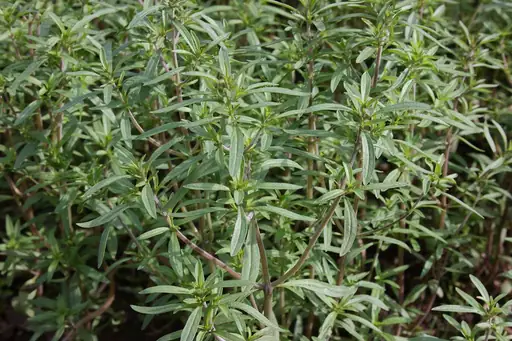
Satureja hortensis
Do you love the bright flavor and aroma of fresh herbs? Then you should really devote some time and garden space to growing summer savory.
Satureja hortensis is a low-growing annual herb that belongs to the mint family, Lamiaceae, related to rosemary and thyme.
Used for millennia as a seasoning, it also has medicinal properties and was once popular in love potions as an aphrodisiac!
Native to the eastern Mediterranean and the Caucasus, it’s a highly aromatic herb and features a hot, peppery flavor with notes of marjoram, mint, and thyme.
Its flavor is also similar to that of its perennial cousin, winter savory – although the winter variety has a slightly more bitter, earthy taste.
Summer savory grows to a height of 12 to 18 inches and features thickly branched stems covered in narrow dark green leaves.
By midsummer it produces small white, pink, or lilac flowers with seeds forming shortly after.
In this guide, we’ll cover how to plant and grow this easy-care herb in your garden.
Here’s what’s to come:
What You’ll Learn
Quick Look
How to Sow
How to Grow
Where to Buy
Harvesting
Cooking Ideas
Ancient Egyptians, Greeks, and Romans considered summer savory to be an aphrodisiac, and associated it with supernatural beings and lusty satyrs.
Summer (in the foreground) and winter varieties. Photo by Lorna Kring.Later, the Druids used it as part of their rituals celebrating the fertility of the summer season.
Indeed, during the Middle Ages, European monasteries prohibited growing this risque herb so as not to tempt monks to break their vows of chastity!
Quick Look
Common name(s): Summer savory
Plant type: Annual herb
Hardiness (USDA Zone): 1-11 (annual)
Native to: Southern Europe
Bloom time / season: Summer
Exposure: Full sun
Soil type: Rich, loamy, well-draining
Soil pH: 6.7–7.3, slightly acidic to neutral
Time to maturity: 60-70 days
Spacing: 6-12 inches
Planting depth: 1/8 inch (seeds)
Mature size: 12-18 inches tall by 10-12 inches wide
Water Needs: Moderate
Taxonomy
Order: Lamiales
Family: Lamiaceae
Genus: Satureja
Species: Hortensis
The word “savory” comes from the old Latin word sapor, which means “taste” or “flavor,” and is used to describe foods with a salty or spicy flavor.
A perfect description for this flavorful herb, which was used by the Romans as a replacement for salt when supplies ran low.
With its many antioxidants and intense essential oils, this tangy herb has long been used to treat a variety of ailments.
Steeped leaves are sometimes used to ease a sore throat, or as an antiseptic gargle.
It is also reportedly used to enhance appetite, as a remedy for stomach and digestive disorders, and to help alleviate symptoms of asthma and colic.
Photo by Lorna Kring.It also has astringent and anti-inflammatory properties and is used by herbalists and natural practitioners in liniment or poultice form to ease the pain of inflamed joints as well as sting and swelling of insect bites.
Plus, its essential oil can be made into an invigorating tonic said to assist with issues of passion and l’amour!
Satureja montana. Photo by Lorna Kring.Highly aromatic, the poet Virgil recommended planting near beehives to flavor honey.
The Roman army was responsible for introducing this flavorful herb to Europe and the British Isles.
It was one of the few spicy seasonings available until the spice route opened, introducing items like black pepper to new areas of the world.
How to Sow
For a steady supply of fresh leaves, plant up a pot or two for the kitchen garden and place in a sunny spot.
Direct sow in the spring, or transplant seedlings in April once the risk of frost has passed, into a light, loamy soil. Ensure your container has good drainage.
Photo by Lorna Kring.For the best germination rate, start seeds indoors in late winter using a light, loamy mix of potting soil.
Keep the soil moist, but not wet, and place under grow lights or on a sunny windowsill.
Once the seedlings have several sets of true leaves, and after all danger of frost has passed, plant into containers or directly into the ground.
You can also direct sow into the soil in early April, thinning as needed once seedlings are big enough.
Allow six to 12 inches between each plant.
How to Grow
Savory grows best in rich, well-drained soil amended with organic matter, and requires a full sun location. The plant makes an attractive, fragrant edging for garden beds.
It can tolerate both dry or moist soils, but not soaking wet conditions, and is also drought tolerant.
Fertilizer usually isn’t required if the soil has been enriched with well-rotted compost or manure.
If left in the garden, savory will reseed itself, but this isn’t the most reliable method of propagation – it’s best to start seeds in a controlled environment.
Summer savory is one of the most trouble-free herbs you can grow, its aromatic oils naturally repel many common garden pests, and it has no serious disease problems.
The main issue to watch for is root rot caused by waterlogged soil, which will show up as wilting and yellowing leaves – simply ensure good drainage and avoid overwatering.
Where to Buy
Inexplicably, this tasty herb can be difficult to find in both grocery stores and garden centers.
Look for nurseries that carry a good selection of herbs to find seedlings, or pick up some seeds and start your own.
Seeds are available in garden centers in early spring, or you can shop online.
Summer Savory Seeds
Harvesting
Begin to harvest leaves as soon as the young plants are five to six inches tall. Pinch the stems about halfway down, just above a leaf node, and use the trimmed leaves for the kitchen.
Photo by Lorna Kring.Pinching in this way also encourages new branches to form, and prevents leggy plants.
Leaves can be harvested throughout the summer, but the flavor is sweeter and more intense before flowering begins.
Pick leaves in the afternoon when the essential oils are strongest.
Flavor is best in fresh leaves, but they can also be dried and frozen. Or, you can always grow some of the winter variety for year-round supply of evergreen leaves.
Or, you can freeze fresh leaves in a zip-top bag, rolling the bag from the bottom up to squeeze out excess air before sealing.
Once plants begin to flower, pull up and dry by hanging upside down in a cool, airy location out of direct sunlight. When dry, crumble or grind into a powder and store in an airtight container.
And remember to leave some plants in place for seeds to form.
Once leaves begins to die back in late summer, collect seeds and store for next year’s garden.
Cooking Ideas
One of the main ingredients in herbes de Provence, savory is often used fresh or dried, and is well suited for slow cooking or added with a light touch at the end of cooking.
It can also be used to replace thyme in many recipes.
Popular in Eastern Europe (Bulgaria, Germany, Italy, and Romania) and in the Acadian cuisine of Atlantic Canada, it’s widely used to season many delicious dishes.
It also makes a delicious addition to marinades or dry rubs for grilled meats, particularly chicken, lamb, and pork.
And it combines well with other herbs and aromatics such as basil, bay leaves, cumin, garlic, marjoram, mint, oregano, parsley, rosemary, and thyme.
Young sprouts can also be used to add a peppery zest to salads and sandwiches.
It can be used to season a variety of salty or spicy dishes – like these delicious savory muffins from our sister site, Foodal.
And thanks to its rich flavor, it can be successfully used as a salt substitute for those on a low-sodium diet.
The Spice of Life
Wonderfully fragrant with a peppery, piquant flavor, summer savory makes a great addition to the potted kitchen garden, and serves as an attractive ornamental in beds and borders.
Photo by Lorna Kring.Try growing some yourself this year – you’ll love how easy this prolific herb is to care for! Do you have any favorite uses for this herb? Be sure to let us know in the comments below!
And for more information about growing herbs in your garden, add these guides to your reading list next:
- How to Plant and Grow Arnica
- How to Plant and Grow Anise
- Cozy Up with Chamomile: Growing and Harvesting a Classic
- Facebook384
- X
The staff at Gardener’s Path are not medical professionals and this article should not be construed as medical advice intended to assess, diagnose, prescribe, or promise cure. Gardener’s Path and Ask the Experts, LLC assume no liability for the use or misuse of the material presented above. Always consult with a medical professional before changing your diet or using plant-based remedies or supplements for health and wellness.
Domande e discussione