

Questa pagina viene visualizzata nella sua lingua originale. La traduzione non è ancora disponibile.
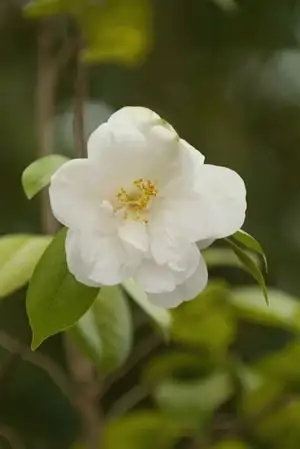
La selezione Seedsun
Camellia japonica
SKU: CAME-JAPO-01G
An honest admission to start: we do not know her name. Camellia japonica has been bred and named for the better part of three centuries, the roll of registered cultivars runs well into the thousands, and behind those stand thousands more good selections that were grown, loved, handed over a fence,.
Richiedi un preventivo personalizzato
Prezzi, formati e disponibilità saranno confermati nel preventivo personalizzato. L'invio di una richiesta non costituisce un ordine a pagamento.
Informatevi sull'idoneità, le modalità di semina e le esigenze di coltivazione.
Conferma le opzioni di consegna e i documenti necessari nel tuo preventivo.
Informazioni su questa varietà
An honest admission to start: we do not know her name. Camellia japonica has been bred and named for the better part of three centuries, the roll of registered cultivars runs well into the thousands, and behind those stand thousands more good selections that were grown, loved, handed over a fence, and quietly parted from their labels along the way. This is one of the latter, a pale-pink japonica of real quality and no surviving paperwork, the kind of plant that turns up in old Southern gardens where someone's grandmother knew exactly what it was and never thought to write it down.
What we can tell you is what she shows. Soft, clear pink flowers open in the cool months, late winter into earliest spring, in the unhurried, many-petaled manner of a good japonica, set against the thick, glossy evergreen leaves the species is named for; tsubaki, in Japan, means something close to thick-leaf tree. She carries the upright, well-mannered habit you want from a camellia, and performs the way camellias have performed in the South since they reached the gardens of the Old South in the early 1800s and declined to leave.
There is a particular pleasure in an unnamed plant. No registry to consult, no cultivar to measure her against, nothing to live up to but the flower itself, which is lovely and entirely sufficient. Camellia japonica was named by Linnaeus for the Jesuit Georg Joseph Kamel and reached English gardens before 1739; by the 1830s dozens of cultivars had found ready acceptance in the Old South, and the thousands grown today all trace back to that first wave. For the gardener who would rather keep one good camellia with a lost name than three famous ones with their papers in order, here she is: pink, anonymous, and asking only for part shade and a little patience.
C'è ancora molto da scoprire



Domande e discussione