

Questa pagina viene visualizzata nella sua lingua originale. La traduzione non è ancora disponibile.
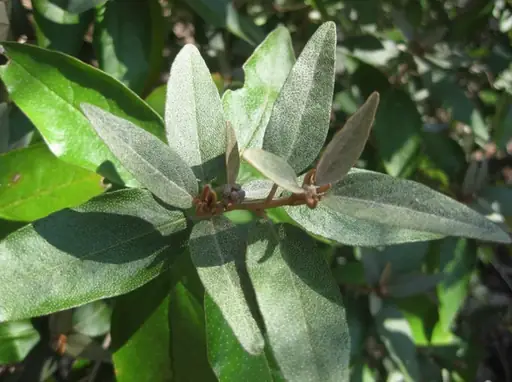
La selezione Seedsun
Croton alabamensis
SKU: CROT-ALAB-01G
Few native shrubs carry as much quiet history as Croton alabamensis, the Alabama croton, a rarity known in the wild from only a handful of counties along the Cahaba and Black Warrior rivers, where the shrub clings to dry, limestone bluffs. This is a plant of the Southern woodland edge, once more.
Richiedi un preventivo personalizzato
Prezzi, formati e disponibilità saranno confermati nel preventivo personalizzato. L'invio di una richiesta non costituisce un ordine a pagamento.
Informatevi sull'idoneità, le modalità di semina e le esigenze di coltivazione.
Conferma le opzioni di consegna e i documenti necessari nel tuo preventivo.
Informazioni su questa varietà
Few native shrubs carry as much quiet history as Croton alabamensis, the Alabama croton, a rarity known in the wild from only a handful of counties along the Cahaba and Black Warrior rivers, where the shrub clings to dry, limestone bluffs. This is a plant of the Southern woodland edge, once more widespread and now treasured wherever a gardener can offer the Alabama croton a home.
The foliage is the whole show. Each leaf is bright green above and silver below, so the smallest breeze sets the shrub shimmering, and a crushed leaf releases a soft banana-and-apple fragrance that surprises anyone expecting a croton to smell of nothing. Small greenish-yellow flowers open in spring, modest but useful to the earliest pollinators. Then autumn arrives and the older leaves turn a warm pumpkin orange that lingers into winter, a color worth planting for.
Give the Alabama croton partial shade and well-drained, slightly alkaline soil, and the shrub asks for little else. Drought tolerant once established and left alone by deer, this croton settles happily into a native understory, a conservation planting, or a shaded border, holding to a modest four to six feet beneath oaks, hickories, and other hardwoods. To grow the Alabama croton is to keep a piece of the Southern flora close, a living link to the limestone country where the shrub still holds on.
C'è ancora molto da scoprire



Domande e discussione