

Questa pagina viene visualizzata nella sua lingua originale. La traduzione non è ancora disponibile.
La selezione Seedsun
Ficus carica 'Celeste'
SKU: FICU-CARI-CELE-01G
Few fruits carry the weight of centuries quite like the common fig. Ficus carica, native to the sun-soaked hills of the Mediterranean and the Middle East, has graced gardens and tables since biblical times, and no member of the tribe is more beloved in the American South than 'Celeste', the little.
Richiedi un preventivo personalizzato
Prezzi, formati e disponibilità saranno confermati nel preventivo personalizzato. L'invio di una richiesta non costituisce un ordine a pagamento.
Informatevi sull'idoneità, le modalità di semina e le esigenze di coltivazione.
Conferma le opzioni di consegna e i documenti necessari nel tuo preventivo.
Informazioni su questa varietà
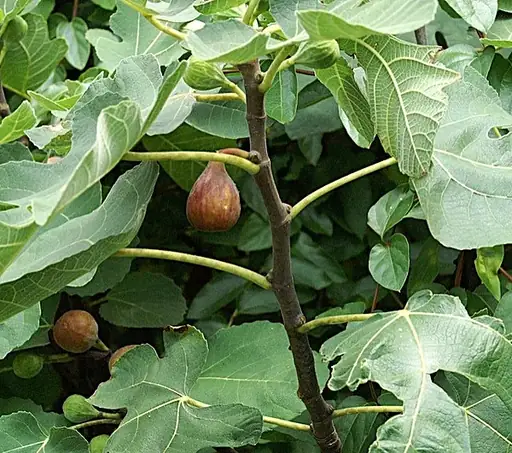
Few fruits carry the weight of centuries quite like the common fig. Ficus carica, native to the sun-soaked hills of the Mediterranean and the Middle East, has graced gardens and tables since biblical times, and no member of the tribe is more beloved in the American South than 'Celeste', the little fig so sweet that growers have long called the tree the Sugar Fig.
This particular lineage of Ficus carica 'Celeste' comes to us through a story as rich as the fruit. The mother plant, long rooted in Many, Louisiana, was handed down through generations before making its way to east Texas. There Gail Ebner, wife of Aiken City Councilman Reggie Ebner, took cuttings from the family fig and carried them east to South Carolina. From those cherished cuttings come the plants we now offer, grown right here in Aiken soil.
'Celeste' is a hardy, self-pollinating, deciduous fig that bears abundant small to medium fruit, light brown to purplish with a tightly closed eye that helps the crop resist spoilage from rain and insects. The fruit ripens in early to mid-summer and is prized for fresh eating and preserves, or simply plucked warm from the branch and eaten under the sky that ripened them.
This fig thrives in USDA zones 7 to 10 and asks little beyond full sun, fertile well-drained soil, and a measure of patience. Once established, the tree shrugs off drought and heat and gives generously in return, and even the broad, deeply lobed leaves lend a touch of ancient grace to the Southern landscape.
C'è ancora molto da scoprire



Domande e discussione