

Questa pagina viene visualizzata nella sua lingua originale. La traduzione non è ancora disponibile.
La selezione Seedsun
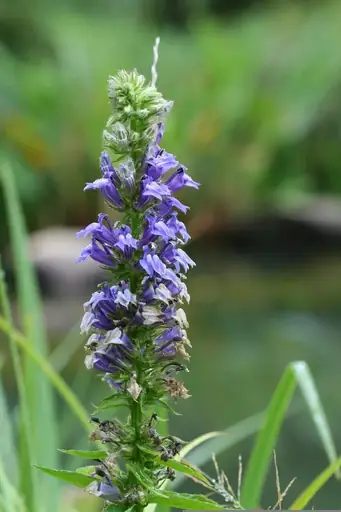
Great Blue Lobelia - Lobelia siphilitica
SKU: 8860
Great Blue Lobelia forms a flower spike covered in deep blue flowers from late summer to early fall. Easily grown in rich, medium to wet soils in full sun to part shade. The Great Blue Lobelia (Lobelia siphilitica) needs constant moisture, and will even tolerate brief flooding. However, Soils.
Richiedi un preventivo personalizzato
Prezzi, formati e disponibilità saranno confermati nel preventivo personalizzato. L'invio di una richiesta non costituisce un ordine a pagamento.
Informatevi sull'idoneità, le modalità di semina e le esigenze di coltivazione.
Conferma le opzioni di consegna e i documenti necessari nel tuo preventivo.
Informazioni su questa varietà
Great Blue Lobelia forms a flower spike covered in deep blue flowers from late summer to early fall. Easily grown in rich, medium to wet soils in full sun to part shade. The Great Blue Lobelia (Lobelia siphilitica) needs constant moisture, and will even tolerate brief flooding. However, Soils should never be allowed to dry out since it occurs naturally in wetlands. Great Blue Lobelia grows best in full sun or light shade in hotter climates.Effective in moist areas of woodland/shade gardens, wet meadows or along streams or ponds. Water gardens. Rain garden. Also adds late summer bloom and height to borders as long as soils are kept uniformly moist. Great Blue Lobelia is a nectar plant for the Checkered White! Considered a magnet for hummingbirds and butterflies alike, Great Blue Lobelia is also attractive to beneficial insects and is deer and rabbit resistant!
Vital details:
Size: 3-5’ x 9-18”
Light: Full sun (6+ hrs/day), partial shade (4-6 hrs/day)
Water: Fertile, moist soil
Hardiness: 2-9
Pollinator value: Checkered White, hummingbirds and butterflies, beneficial insects.
Notable features: blue flowers, attracts hummingbirds, attracts butterflies.
Plant name: Great Blue Lobelia (Lobelia siphilitica)
C'è ancora molto da scoprire



Domande e discussione