

Questa pagina viene visualizzata nella sua lingua originale. La traduzione non è ancora disponibile.
La selezione Seedsun
Halesia carolina (tetraptera)
SKU: HALE-CARO-TETR-01Q
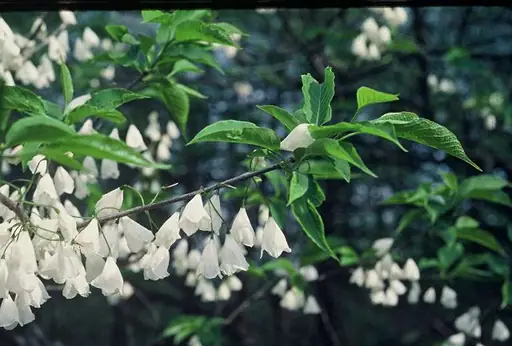
Carolina silverbell is one of the loveliest of the small native trees of the Southern woods, a deciduous tree of the southeastern United States that lights the spring understory with hundreds of little white bells. In April and May, before or as the leaves unfold, the branches hang thick with.
Richiedi un preventivo personalizzato
Prezzi, formati e disponibilità saranno confermati nel preventivo personalizzato. L'invio di una richiesta non costituisce un ordine a pagamento.
Informatevi sull'idoneità, le modalità di semina e le esigenze di coltivazione.
Conferma le opzioni di consegna e i documenti necessari nel tuo preventivo.
Informazioni su questa varietà
Carolina silverbell is one of the loveliest of the small native trees of the Southern woods, a deciduous tree of the southeastern United States that lights the spring understory with hundreds of little white bells. In April and May, before or as the leaves unfold, the branches hang thick with clusters of nodding, bell-shaped white flowers, an effect much like a flowering dogwood but softer, and just as welcome at the woodland edge.
The tree makes an outstanding landscape ornamental where the soil is deep, fertile, well-drained, and reliably moist, and can be used much as the common dogwood, Cornus florida, is used: as a specimen, an understory tree, or a graceful layer along a woodland margin. Gray, handsomely striped bark and clear yellow fall color extend the interest well past the spring show.
A note on names, since silverbells have shuffled through several: botanists now recognize this tree as Halesia tetraptera, and what was once called Halesia parviflora is now placed under Halesia carolina. Whatever the label on the pot, the plant is the familiar, beloved Carolina silverbell of Southern gardens, a member of the storax family, Styracaceae.
Give silverbell a sheltered, part-shaded to sunny spot with acid, humus-rich, well-drained soil and steady moisture, much the ground a dogwood or a rhododendron would enjoy. The flowers are followed by curious four-winged dry fruits, the four papery wings behind the epithet tetraptera, that hang on into fall. Pair with dogwoods, native azaleas, and woodland wildflowers for a spring picture that few small trees can match.
C'è ancora molto da scoprire



Domande e discussione