

Questa pagina viene visualizzata nella sua lingua originale. La traduzione non è ancora disponibile.
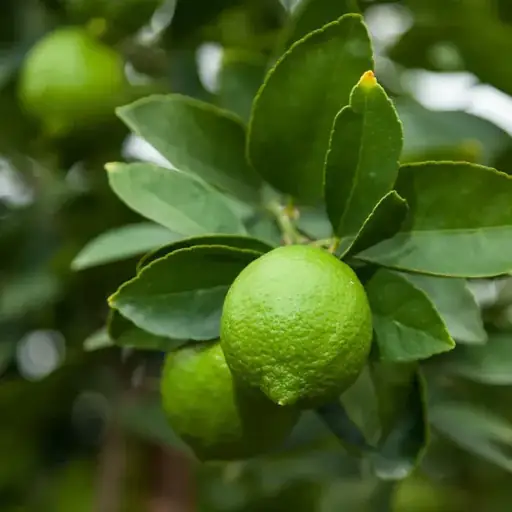
La selezione Seedsun
PV Bearss Seedless (Tahitian/Persian) Semi-Dwarf Lime Tree
SKU: D5I-BRS-REG
Bearss lime, also called Tahitian or Persian lime, produces large, juicy citrus with bright acidity and few to no seeds under typical conditions. The rind is deep green when fruit is commercially ripe and lightens toward yellow as it reaches full maturity. Its generous juice and aromatic peel make.
Richiedi un preventivo personalizzato
Prezzi, formati e disponibilità saranno confermati nel preventivo personalizzato. L'invio di una richiesta non costituisce un ordine a pagamento.
Informatevi sull'idoneità, le modalità di semina e le esigenze di coltivazione.
Conferma le opzioni di consegna e i documenti necessari nel tuo preventivo.
Informazioni su questa varietà
Bearss lime, also called Tahitian or Persian lime, produces large, juicy citrus with bright acidity and few to no seeds under typical conditions. The rind is deep green when fruit is commercially ripe and lightens toward yellow as it reaches full maturity. Its generous juice and aromatic peel make this lime useful for beverages, marinades, dressings, desserts, and everyday cooking. Fruit can remain on the tree for selective picking, with the principal harvest often developing from late winter into early spring in comparable climates.
This potted, semi-dwarf citrus tree is well suited to warm gardens or a substantial container that can be protected during cold weather. Give it full sun, freely draining soil, and shelter from frost and drying wind. When planting in the ground, keep the upper surface of the root ball level with or slightly above grade. In a container, use a fast-draining citrus mix and a pot with unobstructed drainage holes. Water thoroughly, then allow the upper layer of soil to begin drying before irrigating again.
Bearss lime is self-fruitful, so a second citrus tree is not required for fruit set. Bees and other flower visitors may still improve the movement of pollen among blossoms. Container plants may need occasional canopy shaping and root-zone refreshment as they mature.
Bearss Potted Lime Tree Details
- Plant form: Potted, semi-dwarf citrus tree, typically listed at 24–36 inches
- Fruit: Large, juicy, acidic, and usually seedless
- USDA zones: 9–11
- Pollination: Self-fruitful; no companion tree is required
- Typical harvest: Late winter into early spring, varying by climate
- Container culture: Suitable with strong light and seasonal cold protection
See How to Grow Citrus Trees and Growing Citrus Trees Indoors. Compare more citrus trees or browse potted fruit trees.
Supplier Shipping
- By law, we cannot ship citrus trees to Alabama, Texas, Arizona, or Florida.
C'è ancora molto da scoprire



Domande e discussione