

Questa pagina viene visualizzata nella sua lingua originale. La traduzione non è ancora disponibile.
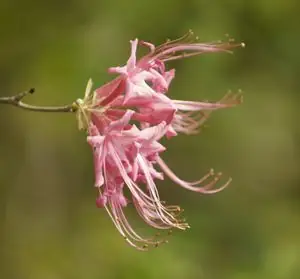
La selezione Seedsun
Rhododendron canescens 'Clyo Red'
SKU: RHOD-CANE-CLYO-RED-01G
'Clyo Red' is a striking red-flowered selection of the native Piedmont azalea, Rhododendron canescens, a species usually seen in soft pink and white. Here the wild pink is deepened to a rich cherry-red, an uncommon and eye-catching tone among the native azaleas, carried on the same fragrant,.
Richiedi un preventivo personalizzato
Prezzi, formati e disponibilità saranno confermati nel preventivo personalizzato. L'invio di una richiesta non costituisce un ordine a pagamento.
Informatevi sull'idoneità, le modalità di semina e le esigenze di coltivazione.
Conferma le opzioni di consegna e i documenti necessari nel tuo preventivo.
Informazioni su questa varietà
'Clyo Red' is a striking red-flowered selection of the native Piedmont azalea, Rhododendron canescens, a species usually seen in soft pink and white. Here the wild pink is deepened to a rich cherry-red, an uncommon and eye-catching tone among the native azaleas, carried on the same fragrant, early-spring frame that makes the Piedmont azalea so beloved. The name points to Clyo, a small community in Effingham County, Georgia, near the plant's Southern home.
In early to mid spring, before or as the new leaves emerge, 'Clyo Red' opens clusters of five to nine funnel-shaped flowers, each an inch or two long in deep red, with pistils and stamens that arch elegantly beyond the petals. A sweet fragrance rides the spring air, unusual company for so red a flower, since most red-toned azaleas give up scent for color. Firm, dark green leaves, gray-downy beneath, follow the bloom and turn a rusty red in autumn.
Behind the vivid color stands the wild Piedmont azalea, the most widespread native azalea of the Southeast and a long-cherished bush honeysuckle of Southern springs. The species name canescens means becoming gray, for the downy leaf undersides, and the genus name Rhododendron means rose tree in Greek. As with every azalea, the shrub is grown for flower and fragrance and never the table: all Rhododendron carry grayanotoxins in leaf and nectar and should not be eaten by people or pets.
Upright and reaching six to twelve feet in time, 'Clyo Red' brings rare red to the woodland edge, an understory planting, or a mixed native border where the flower color can carry. Give morning sun with afternoon shade or filtered light, a moist but well-drained, acidic soil rich in organic matter, and a cool mulch over the shallow roots. Because red is so scarce among the native azaleas, the shrub reads beautifully against pinks, whites, and yellows, and pairs well with ferns and native phlox for a layered spring.
C'è ancora molto da scoprire



Domande e discussione