

Questa pagina viene visualizzata nella sua lingua originale. La traduzione non è ancora disponibile.
La selezione Seedsun
Thomasville Citrangequat
SKU: CITR-THOM-01G
The Thomasville citrangequat is more than a fruit tree, a living piece of Southern horticultural history. First fruited in Thomasville, Georgia, this remarkable hybrid was raised in 1909 by the legendary USDA citrus breeder Walter T. Swingle and formally named in 1923. The tree stands as a.
Richiedi un preventivo personalizzato
Prezzi, formati e disponibilità saranno confermati nel preventivo personalizzato. L'invio di una richiesta non costituisce un ordine a pagamento.
Informatevi sull'idoneità, le modalità di semina e le esigenze di coltivazione.
Conferma le opzioni di consegna e i documenti necessari nel tuo preventivo.
Informazioni su questa varietà
The Thomasville citrangequat is more than a fruit tree, a living piece of Southern horticultural history. First fruited in Thomasville, Georgia, this remarkable hybrid was raised in 1909 by the legendary USDA citrus breeder Walter T. Swingle and formally named in 1923. The tree stands as a pioneering achievement in citrus breeding: a three-way cross combining the cold-hardy Willits citrange, itself a cross of sweet orange and trifoliate orange, with the Nagami kumquat, Fortunella margarita.
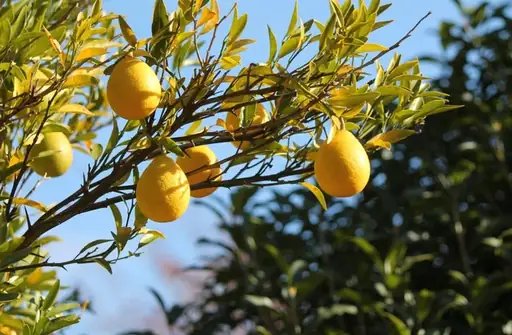
Grown on its own trifoliate roots, the Thomasville grows upright and vigorous, with thorny branches and distinctive three-part trifoliate leaves. Fragrant white blossoms in spring give way to abundant, egg-shaped fruit, yellow to orange, that ripens from January into April. The fruit is tart and tangy picked young, mellowing to a pleasantly acidic, kumquat-like flavor when fully ripe, and though somewhat seedy, is prized for a distinctive taste that shines in preserves, marmalades, and citrus-forward cocktails.
What truly sets the Thomasville apart is exceptional cold hardiness. Tolerant down to about ten degrees Fahrenheit, this is one of the most cold-tolerant edible citrus a gardener can grow, well suited to USDA zones 8 to 10. Planted in the ground where winters are mild, or grown in a container and carried to shelter farther north, the tree brings both historic charm and real, practical resilience to the edible landscape.
Give the Thomasville full sun to part shade and a well-drained, slightly acidic soil, and site the tree where the fragrant spring bloom and long winter fruit can be enjoyed, and where the thorny branches sit back from a busy path. Self-reliant and productive, a piece of Deep South citrus history that still earns a place in the garden a century on.
Photos courtesy of UGA Botanic Gardens and Tom McClendon of McClendon Citrus.
C'è ancora molto da scoprire



Domande e discussione