
How to grow lupine
Native Species · Seed to Bloom How to grow lupine Grow regionally native lupines for spring flower spires, lean-soil resilience, pollinator forage, and meadow structure. Prepare seed correctlyMatch the habitatSupport wildlife Shop lupi →Start the guide ↓ Life cycleAnnual or perennialSpecies.
Native Species · Seed to Bloom
How to grow lupine
Grow regionally native lupines for spring flower spires, lean-soil resilience, pollinator forage, and meadow structure.
Prepare seed correctlyMatch the habitatSupport wildlife Shop lupi →Start the guide ↓ Life cycleAnnual or perennialSpecies dependentSow depth1/4 inchFirm coverPretreatmentNick seed coatHard-seeded legumeSpacing12–14 inchesOpen crownsGermination7–21 daysSpecies dependentNative plant profile
Match the species to its lasting site.
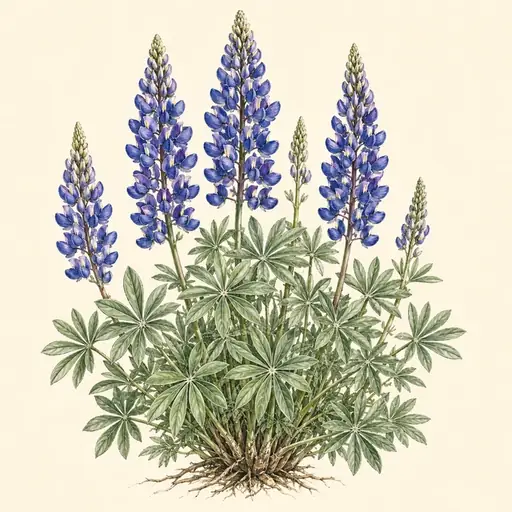
Lupines carry palmate foliage and upright pea-flower spikes, but regional identity matters. Perennial Lupine (Lupinus perennis) is native across parts of the East and Great Lakes; Texas Bluebonnet (L. texensis) is an annual native of the South Central region.
Native-range cuePixie Delight is Mexican and Russell Mix is a garden hybrid selection, so the native-focused shop section highlights Perennial Lupine and Texas Bluebonnet.Lupine at a glance
From prepared seed to established habitat
01NickAbrade coat02SoakSeveral hours03Sow1/4 inch04Sprout7–21 days05Space12–14 inches06BloomSpring–summerEstablishment
Prepare the seed, then protect early roots
Lightly nick or abrade the hard seed coat, avoiding the embryo, then soak seed for several hours and sow 1/4 inch deep. Keep evenly moist until emergence and transplant carefully because lupines dislike root disturbance.
01Follow the pretreatment
Use the crop-specific preparation shown in the facts and timeline.
02Sow at the listed depth
Use clean medium, gentle watering, and a weed-free surface.
03Harden and place permanently
Acclimate seedlings for 7–10 days and honor mature spacing and habitat.
Ongoing care
Use four simple habits
Maximize sun
Provide six or more hours for dense flower spikes and compact, sturdy growth.
Drain the crown
Water during establishment, then avoid persistently saturated or heavy soil.
Protect the taproot
Transplant young, minimize disturbance, and avoid repeatedly moving established plants.
Leave selected pods
Deadhead for tidiness while retaining some dry pods for seed and natural renewal.
Establishment checkpoints
Watch the planting build toward bloom.
Before sowingNick hard seed
7–21 daysSeedlings emerge
First seasonTaproots deepen
Spring–summerFlower spikes open
Bloom, seed, and habitat
Keep wildlife value in the garden
Cut spikes when the lower florets are open and upper buds remain colored. Allow selected pods to turn brown before seed collection, but gather promptly because dry lupine pods can split suddenly.
Urban Farmer selections
Choose a native selection for your site
Questions native gardeners ask
Lupine growing FAQ
How should lupi be scarified?Lightly nick or sand one spot on the coat without cutting the interior, then soak and sow.
Is every lupine native everywhere?No. Match the exact species and recorded native range to your region.
Why do lupines dislike transplanting?They develop a strong taproot early, so sow in deep cells and transplant while young.
Does lupine need fertilizer?Avoid heavy nitrogen feeding; lean soil usually produces better-balanced growth.
Ready to plant?

質問とディスカッション