
When and How to Prune Sedum (Stonecrop)
Sedum aka stonecrop doesn’t need a lot of fussing to look good. That’s part of its appeal. But a little well-timed pruning can go a long way. Whether you’re growing a mat-forming ground cover or a tall, upright variety, trimming helps keep the garden tidy, encourages stronger stems, and can even.
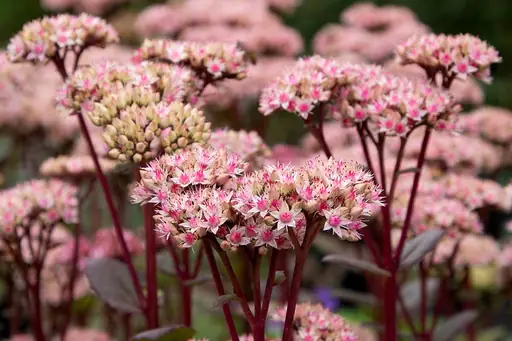
Sedum aka stonecrop doesn’t need a lot of fussing to look good. That’s part of its appeal. But a little well-timed pruning can go a long way.
Whether you’re growing a mat-forming ground cover or a tall, upright variety, trimming helps keep the garden tidy, encourages stronger stems, and can even extend the bloom period.
Best of all, it’s a simple task that even beginners can handle without much risk of doing harm.
Speaking of beginners, our guide to growing stonecrop covers all you need to enjoy these plants in your outdoor space.
If your sedum is flopping, spreading too far, or just looking a little ragged, read on. We’ll discuss the reasons to prune, the right time to do it, and how to get the job done.
We’ll also cover a few tips based on the type of sedum you’re growing.
Here’s what to expect:
What You’ll Learn
Why Prune Sedum?
When to Prune
How to Prune
Tips for Specific Types
Why Prune Sedum?
Sedum doesn’t require pruning to thrive, which is one reason these plants are so popular. But giving them a trim now and then can improve both the health and appearance of the plants.
Cutting back encourages fuller growth by stimulating branching, which helps prevent the leggy, floppy look that can develop in upright varieties, such as ‘Autumn Joy.’
It also gives you a chance to remove any stems that are damaged or diseased.
Deadheading spent flowers can clean up the plant and may encourage additional blooms, depending on the timing and the type you are growing.
And trimming helps keep growth within bounds, especially if the plant has started creeping into walkways or neighboring beds.
It’s not essential maintenance, but a bit of trimming can be useful if you’re aiming for a tidy, compact shape or a longer-lasting floral display.
When to Prune
You can prune sedum at a few different times during the growing season depending on what you’re trying to achieve.
Early spring is a good time to remove any stems that were damaged during the winter or to cut back the previous season’s growth if you didn’t do so in fall. This clears the way for fresh, new shoots to emerge.
If you’re working with tall sedum and want to avoid flopping, early summer is the time to act.
After the blooms fade in late summer or fall, you can deadhead spent blooms to clean up the look of the plant.
Some gardeners prefer to leave the dried flower heads on upright types like ‘Autumn Joy’ for winter interest, while others prefer to cut them down before the cold sets in.
It’s best to avoid doing this work in winter, when the plant is dormant and less able to recover.
How to Prune
Start by using clean, sharp pruners. You can sanitize the blades with isopropyl alcohol to prevent the spread of disease.
Look over the plant and identify any stems that are dead, damaged, or diseased, and remove these first.
To control size or encourage bushier growth, trim stems back to just above a healthy leaf node.
If you’re pruning in early summer to prevent flopping, you can reduce the height of upright types by about one-third to one-half.
This can delay flowering slightly but often results in stronger stems, more compact growth, and more evenly spaced blooms.
If the flowers have faded and you don’t care for the way they look, pinch or snip them off.
With the exception of diseased leaves, you can toss the trimmings on the compost pile.
Tips for Specific Types
Depending on the sedum variety you are growing, pruning needs can vary. Upright varieties like ‘Autumn Joy’ tend to get tall and top-heavy, especially when they’re growing in rich soil or part shade.
Creeping types such as ‘Dragon’s Blood’ spread along the ground and can quickly move beyond their intended area.
These are best trimmed whenever they begin to creep into pathways or crowd neighboring plants. A light trim in spring can help encourage new growth and maintain a clean edge.
Ground covers like ‘Blue Spruce’ may not need much pruning at all, but if the growth becomes too dense or untidy, you can shear it back lightly in early spring to refresh the plant.
All types of sedum can tolerate trimming well, so don’t worry too much about making mistakes – they’re forgiving plants.
Time To Chop That Stonecrop
Pruning sedum is a simple task that can improve the plant’s structure and overall appearance.
Whether you want to remove winter dieback, reduce excessive growth, or shape the plant for a more compact form, thoughtful trimming encourages stronger stems and a tidier habit.
Even if cuts are made at less-than-ideal times, healthy plants generally recover quickly.
Are you growing sedum? Do you prune your plants? Share your tips in the comments section below!
And for more information about growing sedum in your landscape, check out these guides next:
- How to Grow and Care for English Stonecrop
- How to Grow and Care for ‘Purple Emperor’ Sedum (Stonecrop)
- How to Grow and Care for Donkey’s Tail Succulents
- X




質問とディスカッション