
How to Care for Spirea Shrubs in Winter
Spiraea is a large genus of showy, flowering shrubs in the Rosaceae (rose) family, and cold-hardy garden varieties typically handle most cold or wet weather conditions with ease – but there are a few exceptions. The many landscape varieties common in cultivation feature dazzling clusters of pink,.
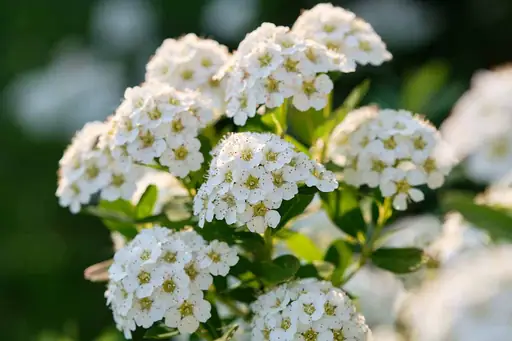
Spiraea is a large genus of showy, flowering shrubs in the Rosaceae (rose) family, and cold-hardy garden varieties typically handle most cold or wet weather conditions with ease – but there are a few exceptions.
The many landscape varieties common in cultivation feature dazzling clusters of pink, mauve, or white flowers that bloom in spring or summer, depending on the type.
Many have fantastic, color-changing foliage that emerges in fiery tones then transforms into shades of bronze, gold, and a range of greens over summer, finishing the growing season with a pretty fall display of burgundy, orange, scarlet, and purple.
Robust and tough, most are hardy in USDA Zones 4 to 9, with a few that can survive in colder Zone 3 climates.
Once established, they don’t need a lot of special care to survive frigid temperatures – but a few steps can help ensure their vibrant return in spring.
To keep your shrubs in top shape, join us now for a look at how to care for spirea shrubs in winter.
Here’s what’s coming up:
What You’ll Learn
Tips for Overwintering Spirea
Container Care
Indoor Care
All varieties of spirea are deciduous, which means they prepare for winter by losing their leaves and entering a dormant period.
Healthy, mature shrubs that are rated hardy for your area require little extra protection from the elements.
However, newly planted varieties and container plants can benefit from some protection from cold temperatures, freeze/thaw cycles, or soaking rains.
Protection from freeze/thaw cycles is important because they can cause a few problems like heaving, which can expose the crown to drying winds and freezing temperatures, or cause broken and torn roots.
And in areas with warm, wet winters, oversaturation from heavy rains can lead to root rot.
Let’s look at how to deal with these situations.
Tips for Overwintering Spirea
The best cold weather protection for all spirea varieties is for them to enter dormancy in a healthy state.
The following tips help ensure vibrant, healthy shrubs are ready for dormancy before the coldest weather arrives, and that they stay dormant until spring.
1. Prune Lightly as Needed
After shrubs lose their leaves, remove dead or damaged branches.
But don’t prune vigorously after midsummer – pruning promotes tender, new growth, which delays dormancy and is easily damaged by a hard, early frost.
For the pruning lowdown on both spring- and summer-flowering varieties, read our guide on how and when to prune spirea.
2. Stop Providing Fertilizer
To ensure plants harden off sufficiently, stop fertilizing six to eight weeks before the first frost.
Withholding fertilizers helps to slow the development of new growth late in the season.
3. Water
If rainfall isn’t adequate, water spirea – particularly new plantings – regularly and thoroughly until the ground freezes.
Be sure to water to a depth of 12 to 18 inches to ensure the entire root ball receives moisture.
4. Mulch
The roots of new shrubs and those planted late in the season need to be protected from heaving.
After the first hard frost, or once the ground is frozen, place a four- to six-inch layer of mulch over the root zone and around the plant’s base.
Materials such as shredded leaves, sawdust, or straw make good winter mulches.
If hungry rodents gnawing on the bark are a problem, keep the mulch four to six inches away from the trunks.
5. Protect from Pests
You can also protect plants from nibbling rabbits by wrapping galvanized hardware cloth or small-gauge chicken wire around the base.
Tie branches toward the center then encircle the stems at the base with hardware cloth, sinking the base of the cloth into the soil or mulch. Remove in spring.
23-Gauge Hardware Cloth
Container-grown plants are often more susceptible to harsh weather than in-ground ones – we’ll cover the best ways to protect them next.
Container Care
With container-grown shrubs in cold climates, the main area of concern is the roots, which need to be protected from freeze/thaw cycles.
After the first frost, withhold water and fertilizer. Move containers to a protected site, such as against foundations or in an unheated garage or shed.
If containers are left outside, apply a four- to six-inch layer of mulch – like shredded leaves, sawdust, or straw – over the soil surface.
If needed, wrap just the containers with bubble wrap or an old blanket to provide extra insulation against freezing temperatures. Do not place these coverings over the plants.
Remove the mulch and covers in early spring, or once overnight temperatures remain above the freezing mark.
For areas with mild, wet winters, overly wet soil is a concern because of the potential for root rot.
To protect against rot, ensure containers have adequate drainage holes and that they’re filled with well-draining soil.
Remove saucers from under pots to prevent standing water and elevate pots with bricks or pot toes to keep water flowing away from the roots.
Plastic Pot Toes
In regions that typically receive heavy rainfall, tilting containers on their side can reduce the amount of water potted plants receive through the winter.
Gently turn containers onto their side so they’re slightly tipped at a 20- to 45-degree angle, swinging the pot mouth to the leeward side of prevailing weather systems.
Don’t lay them flat on their side or you’ll lose soil. Use a couple of pieces of wood if needed to securely hold your containers in place.
Or if your pots are easily manageable, move them under the eaves or into the rain shadow of fences or walls.
Set pots upright or move them back into the garden in late winter, or once heavy rainfalls have abated.
For all the details on cultivation and maintenance, check our guide on how to grow and care for spirea.
Indoor Care
Bringing potted spirea inside for the winter is another option.
To move containers indoors, choose a cool location with temperatures in the range of 40 to 50°F with a bit of light – an unheated garage, mudroom, or shed are good options.
Avoid exposure to warm temperatures and long hours of artificial light, which can cause plants to emerge from dormancy too early.
And although they’re dormant, indoor containers should be watered lightly every four to six weeks to keep roots healthy and viable.
Move containers outdoors again once the days start to lengthen and overnight temperatures remain above freezing.
Cozy and Content
Left to their own devices, spirea shrubs are cozy and content in dormancy and readily able to survive cold conditions until spring – but sometimes they need a bit of extra help.
For new plants, give the root zone plenty of protection with a thick layer of mulch.
Lift containers to prevent them from standing in water, and remove catchment trays or saucers.
Or move pots into sheltered sites to protect them from excessive rainfall, cold wind, and extreme temperatures.
And use a bit of hardware cloth to thwart hungry pests looking for tender bark to nibble on.
What spirea varieties are you folks growing, and how do you protect them from cold or wet conditions? Let us know in the comments section below.
For more info on growing spirea in your garden, have a read of these guides next:
- How to Propagate Spirea Bushes Through Cuttings and Ground Layering
- How to Grow and Care for Bridalwreath Spirea
- How to Grow Mellow Yellow ‘Ogon’ Spirea
- Facebook62
- X




質問とディスカッション