

このページは原文のまま表示されています。翻訳はまだご利用いただけません。
Seedsunセレクション
Aquilegia canadensis
SKU: AQUI-CANA-01G
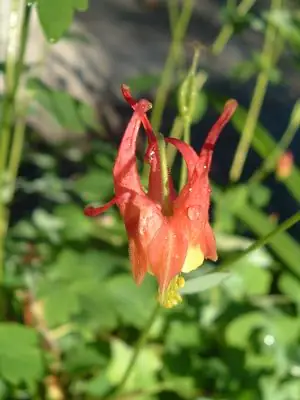
Few spring sights stir the woodland gardener like wild columbine in bloom. Aquilegia canadensis hangs nodding red-and-yellow bells, spurred and lantern-like, over lacy blue-green foliage, catching the low light of April along forest edges, rocky outcrops, and Appalachian coves where the plant has.
個別の見積もりをご依頼ください
価格、梱包サイズ、在庫状況は、お客様専用の見積書にてご確認いただけます。お問い合わせを送信しても、お支払い済みの注文は確定されません。
適性、播種方法、栽培条件について尋ねてください。
お見積書に記載されている配送オプションと必要書類をご確認ください。
この品種について
Few spring sights stir the woodland gardener like wild columbine in bloom. Aquilegia canadensis hangs nodding red-and-yellow bells, spurred and lantern-like, over lacy blue-green foliage, catching the low light of April along forest edges, rocky outcrops, and Appalachian coves where the plant has grown for ages. The eastern red columbine, or simply wild columbine, is among the most beloved of native spring wildflowers.
The spurred flowers are a small marvel of design, shaped for the long tongues of hummingbirds and early bees that follow the bright signals through clearings as the canopy leafs out. Upright and branching, the plant reseeds gently into informal drifts without ever becoming a nuisance, and grows best in fertile, moist but well-drained soil, on the neutral to slightly alkaline side. In the right spot the columbine naturalizes beautifully, lending a planting a settled sense of place.
Native peoples knew the plant well. The Cherokee and Iroquois used small amounts of the root for heart, kidney, and bladder complaints and as an aid in childbirth, while crushed seeds served for headache and fever, were rubbed into the hair against lice, and were carried as love charms. Every part is poisonous in quantity, so the plant is grown here for beauty, not use. The genus name Aquilegia, from the Latin for eagle, points to the claw-like spurs of the flower, curved like a raptor's talon.
さらに多くの発見があります



質問とディスカッション