

このページは原文のまま表示されています。翻訳はまだご利用いただけません。
Seedsunセレクション
Ardisia japonica
SKU: ARDI-JAPO-01G
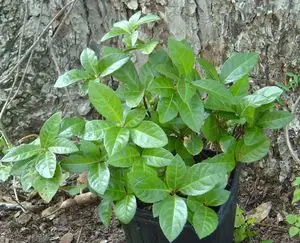
Low, shining, and quietly territorial, Ardisia japonica travels on slender underground stems and knits a dense evergreen carpet eight to twelve inches high across ground that most groundcovers refuse. The leaves are gathered in loose whorls near the tips of the stems, glossy and finely toothed,.
個別の見積もりをご依頼ください
価格、梱包サイズ、在庫状況は、お客様専用の見積書にてご確認いただけます。お問い合わせを送信しても、お支払い済みの注文は確定されません。
適性、播種方法、栽培条件について尋ねてください。
お見積書に記載されている配送オプションと必要書類をご確認ください。
この品種について
Low, shining, and quietly territorial, Ardisia japonica travels on slender underground stems and knits a dense evergreen carpet eight to twelve inches high across ground that most groundcovers refuse. The leaves are gathered in loose whorls near the tips of the stems, glossy and finely toothed, dark enough to read as almost black in deep shade. Small white to pale pink stars nod beneath the foliage in midsummer, easy to miss unless you kneel, and the berries that follow ripen coral red and hang on through winter, often still bright when the next year's flowers open.
The genus name comes from the Greek ardis, the point of an arrow, for the sharply tapered anthers that give each little flower a dart at the center. Japonica is straightforward enough, though the true range runs wider than the name suggests, from Japan through Korea and into eastern and central China. Western gardeners have grown marlberry since the nineteenth century. Japanese growers have been at the work far longer, selecting a remarkable run of variegated and crested forms with names like 'Hakuokan' and 'Chirimen' that circulate among collectors as objects closer in spirit to bonsai than to bedding.
In Chinese medicine the dried whole plant is zi jin niu, and in the folk tradition of southern China the same herb answers to ai di cha, roughly "short ground tea," a name that catches both the low habit and the way the leaves were brewed. Practitioners have long turned to the herb for stubborn coughs and chronic bronchitis, to move phlegm and to break up what the tradition calls blood stasis. Modern chemistry has found bergenin, gallic acid, and a run of quercetin glycosides in the leaves, and laboratory work on the respiratory claims is ongoing rather than settled.
Marlberry belongs in the difficult places: the dry shade under a live oak, the strip beside a north foundation wall, the slope where liriope has started to look tired. Give the plants shade or high filtered light, soil with enough body to hold moisture, and steady water through the first two summers while the rhizomes find their bearings. Growth is slow at the start and then relentless, roughly six inches of spread a year, which makes marlberry a poor choice for anyone in a hurry and an excellent one for anyone building something permanent. Pair with hellebores, autumn fern, and Danae racemosa for a shade planting that never goes bare. One honest caution: Japanese ardisia has escaped cultivation in north Florida and carries a Category II listing from the Florida Invasive Species Council, so gardeners in that corner of the state are better served by partridgeberry or shiny blueberry.
さらに多くの発見があります



質問とディスカッション