

このページは原文のまま表示されています。翻訳はまだご利用いただけません。
Seedsunセレクション
Asimina obovata
SKU: ASIM-OBOV-01G
Asimina obovata is the bigflower pawpaw, a Florida native that carries the largest, showiest blooms in a genus better known for its fruit. The pawpaws are the temperate outliers of the Annonaceae, the custard apple family whose tropical members include the cherimoya, soursop, and ylang-ylang, and.
個別の見積もりをご依頼ください
価格、梱包サイズ、在庫状況は、お客様専用の見積書にてご確認いただけます。お問い合わせを送信しても、お支払い済みの注文は確定されません。
適性、播種方法、栽培条件について尋ねてください。
お見積書に記載されている配送オプションと必要書類をご確認ください。
この品種について
Asimina obovata is the bigflower pawpaw, a Florida native that carries the largest, showiest blooms in a genus better known for its fruit. The pawpaws are the temperate outliers of the Annonaceae, the custard apple family whose tropical members include the cherimoya, soursop, and ylang-ylang, and Asimina alone among them ventures north into the sandy uplands of the American Southeast. The genus name descends from an early Native American word for the fruit, carried into English through the French asiminier, while obovata describes the egg-shaped leaves, broadest above the middle.
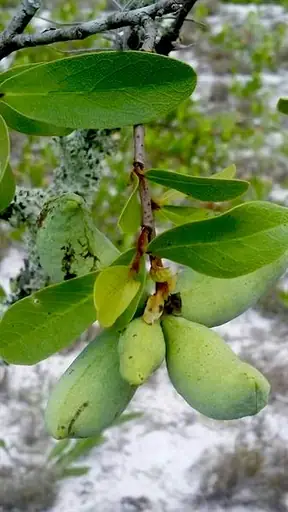
In spring, as the new leaves emerge, the plant opens creamy white flowers several inches across, far larger and paler than the deep maroon bells of the common pawpaw, Asimina triloba. Beetles and flies do the pollinating, and by late summer some flowers give way to aromatic, fleshy green fruits holding large brown seeds. The fruit is edible, though most gardeners rate the flavor below that of the northern pawpaw and grow this species instead for the flowers, the foliage, and the wildlife.
This is a plant of the Florida scrub, at home in the peninsula's dry sandhills and sandy ridges where little else will grow, in blazing sun and sharp, fast-draining sand. Bigflower pawpaw earns a place in the native and butterfly garden as a larval host for the zebra swallowtail, whose caterpillars feed only on Asimina leaves, and for the pawpaw sphinx moth as well. Where the common pawpaw wants rich, moist woodland, this southern cousin asks for the opposite, lean sand and excellent drainage.
Give Asimina obovata full sun to light shade and the sandiest, sharpest soil available, with little competition from neighbors. Like other pawpaws the plant sends down a deep taproot and resents disturbance, so site the shrub thoughtfully and let the roots settle undisturbed. In a sandhill restoration, a xeric native border, or a butterfly garden, the big white spring flowers and clean summer foliage make this rare Florida endemic a quietly distinctive choice.
Photos courtesy of Jay Horn and Alan Cressler
さらに多くの発見があります



質問とディスカッション