

このページは原文のまま表示されています。翻訳はまだご利用いただけません。
Seedsunセレクション
Camellia sasanqua 'Yuletide'
SKU: CAME-SASA-YULE-01G
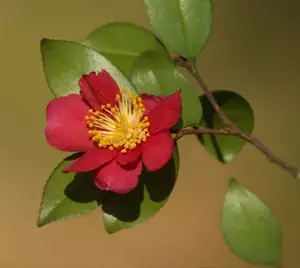
'Yuletide' is one of the most widespread and instantly recognizable red camellias in the trade, and the popularity is well earned. Dense growth carries lustrous dark green foliage on an upright, tidy, naturally columnar frame, and against that backdrop the flowers arrive in real quantity from late.
個別の見積もりをご依頼ください
価格、梱包サイズ、在庫状況は、お客様専用の見積書にてご確認いただけます。お問い合わせを送信しても、お支払い済みの注文は確定されません。
適性、播種方法、栽培条件について尋ねてください。
お見積書に記載されている配送オプションと必要書類をご確認ください。
この品種について
'Yuletide' is one of the most widespread and instantly recognizable red camellias in the trade, and the popularity is well earned. Dense growth carries lustrous dark green foliage on an upright, tidy, naturally columnar frame, and against that backdrop the flowers arrive in real quantity from late fall into early winter: single blooms about three inches across in a clean fire red, each one centered on a boss of bright golden stamens. The contrast is the thing. Very few plants are doing anything at all in December in a southern garden, and a shrub covered in red and gold at that moment tends to end arguments about where to put it.
The origin is well documented. 'Yuletide' arose as a chance seedling of Camellia × vernalis 'Hiryu' at Nuccio's Nurseries in Altadena, California, first flowering in 1959 and released to the trade in the years that followed. That parentage is why you will see the plant listed two ways. Most American nurseries, ours included, sell 'Yuletide' as a Camellia sasanqua, which is how the trade has always handled it; the Royal Horticultural Society and a number of camellia authorities file the same clone under Camellia × vernalis, a hybrid group between C. sasanqua and C. japonica that sits between the two parents in leaf size and blooms in the gap between their seasons. Both labels point at the same plant.
Camellias came to the American South by way of Europe in the late eighteenth century and became so thoroughly naturalized in southern garden culture that most people assume they were always here. The genus belongs to Theaceae, the tea family, and the same botanical neighborhood produces Camellia sinensis, from which every cup of black, green, and oolong tea is made. In Japan sasanqua is sazanka, valued for centuries for autumn bloom and for the oil pressed from the seed, which has long been used on hair and skin and to protect steel blades from rust. The sasanquas differ from the showier japonicas in three useful ways: they take considerably more sun, they flower months earlier, and they shed their petals cleanly instead of hanging on to brown flowers.
Plant in semi-shade in sandy, slightly acid soil, kept mulched and watered; morning sun with afternoon shade is close to ideal in the Deep South, though 'Yuletide' tolerates more sun than a japonica ever would. The columnar habit makes this a natural for a narrow bed, a foundation planting under eaves, a screen, or a pair flanking a door, and the same habit means very little pruning is required. When pruning is needed, do it right after flowering, since next year's buds form on new growth through summer. Set where the December bloom will be seen from indoors. Bees still working on a mild winter afternoon will find these flowers when there is almost nothing else on offer.
さらに多くの発見があります



質問とディスカッション