

このページは原文のまま表示されています。翻訳はまだご利用いただけません。
Seedsunセレクション
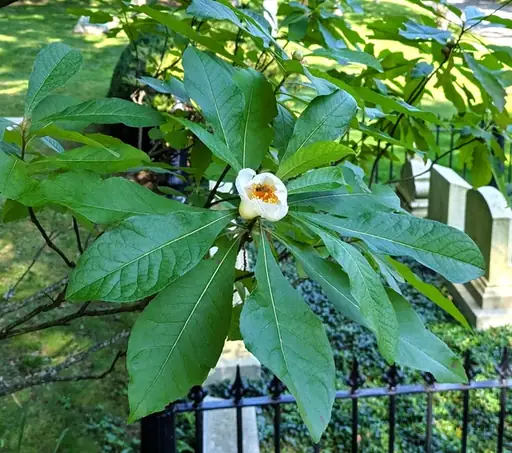
Franklinia altamaha
SKU: FRAN-ALAT-01G
Few plants carry a story like the Franklin tree. Collected from the banks of the Altamaha River in Georgia by John and William Bartram in the 1760s and named by them for their friend Benjamin Franklin, Franklinia alatamaha was last seen growing wild around 1803 and has never been found in nature.
個別の見積もりをご依頼ください
価格、梱包サイズ、在庫状況は、お客様専用の見積書にてご確認いただけます。お問い合わせを送信しても、お支払い済みの注文は確定されません。
適性、播種方法、栽培条件について尋ねてください。
お見積書に記載されている配送オプションと必要書類をご確認ください。
この品種について
Few plants carry a story like the Franklin tree. Collected from the banks of the Altamaha River in Georgia by John and William Bartram in the 1760s and named by them for their friend Benjamin Franklin, Franklinia alatamaha was last seen growing wild around 1803 and has never been found in nature since. Every Franklinia alive today, in every garden and arboretum on earth, descends from the seed the Bartrams carried home to Philadelphia. To grow one is to hold a living piece of that lineage.
The tree earns a place on its own merits, history aside. In late summer and into fall, white, camellia-like flowers with a central boss of golden stamens open in succession, sweetly fragrant and three inches across, often while the foliage is already turning a deep, burnished crimson. Flower and fire together is a generosity few plants manage, and the show arrives in a season when most trees have long finished.
Franklinia belongs to the tea family, Theaceae, kin to the camellias and stewartias, and shares their taste for cool, acid, perfectly drained ground. The tree can be temperamental, resenting wet feet, heavy clay, and soil where cotton or other crops have left root-rot pathogens behind, so give a raised, humus-rich, freely draining bed, a little afternoon shade in the hottest climates, and the patience to let a slow plant settle.
We have grown Franklinia at for decades, and the growing never stops feeling like a privilege. Site the tree as a specimen where the late flowers and crimson fall color can be admired at close range, near a path, a patio, or a window framed for autumn, and pair with other acid-lovers such as camellias, azaleas, and stewartias. A rare and storied small tree for the collector willing to give it the drainage it demands.
さらに多くの発見があります



質問とディスカッション