

このページは原文のまま表示されています。翻訳はまだご利用いただけません。
Seedsunセレクション
Hibiscus coccineus ‘Lone Star’
SKU: HIBI-COCC-LONE-STAR-01G
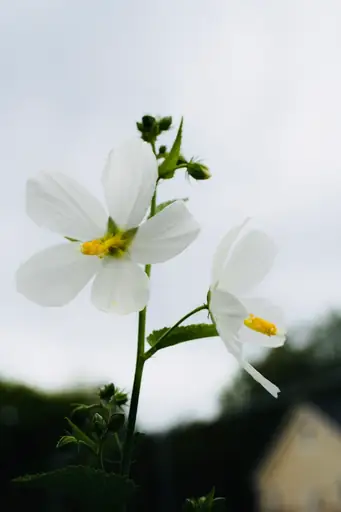
Hibiscus coccineus 'Lone Star' is the pure white form of the scarlet rose mallow, and the change of color changes everything. Where the wild species blazes red, 'Lone Star' opens great five-pointed stars of clean, luminous white, five to seven inches across, glowing against deep green, finely cut.
個別の見積もりをご依頼ください
価格、梱包サイズ、在庫状況は、お客様専用の見積書にてご確認いただけます。お問い合わせを送信しても、お支払い済みの注文は確定されません。
適性、播種方法、栽培条件について尋ねてください。
お見積書に記載されている配送オプションと必要書類をご確認ください。
この品種について
Hibiscus coccineus 'Lone Star' is the pure white form of the scarlet rose mallow, and the change of color changes everything. Where the wild species blazes red, 'Lone Star' opens great five-pointed stars of clean, luminous white, five to seven inches across, glowing against deep green, finely cut foliage and all the more striking in the soft light of evening. The same tall, architectural native frame carries a cooler, more serene presence.
The selection has a name and a maker. 'Lone Star' was introduced by the Houston plantswoman Heidi Sheesley of Treesearch Farms, who spotted and selected this white-flowered form out of the native scarlet swamp mallow, then brought the plant into the trade. A garden selection of a tough American wetland native, 'Lone Star' pairs cultivated refinement with wild resilience.
The plant is a true mallow of the Malvaceae, native in origin to the swampy soils of the southeastern United States, and behaves just as vigorously as the red species. Strong, upright stems reach six to eight feet, clothed in the deeply cut, palmate leaves that give the whole tribe a tropical, almost hand-shaped look. The blooms open in steady succession from mid-summer into early fall, each lasting a day, and draw hummingbirds, bees, and butterflies to the white stars.
In the garden, use 'Lone Star' at the back of a perennial border, at the edge of a pond or water feature, in a rain garden, or as a luminous focal point where the white flowers can catch evening light. The plant favors full sun and moist, well-drained ground, and though happiest with steady moisture, shows a fair drought tolerance once established. Pair with other moisture-lovers and late bloomers, give room for the tall stems, and cut the frost-killed tops to the ground in late winter.
さらに多くの発見があります



質問とディスカッション