

このページは原文のまま表示されています。翻訳はまだご利用いただけません。
Seedsunセレクション
Iris sanguinea
SKU: IRIS-SANG-01Q
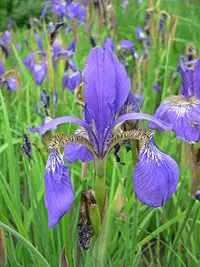
There is a small lie in the name. Sanguinea means blood, and yet the iris in front of you is blue, or blue running toward violet, with only a wine-dark deepening in the falls to argue the case. The botanists felt the strain too: Carl Thunberg first tried to file the plant as Iris orientalis in.
個別の見積もりをご依頼ください
価格、梱包サイズ、在庫状況は、お客様専用の見積書にてご確認いただけます。お問い合わせを送信しても、お支払い済みの注文は確定されません。
適性、播種方法、栽培条件について尋ねてください。
お見積書に記載されている配送オプションと必要書類をご確認ください。
この品種について
There is a small lie in the name. Sanguinea means blood, and yet the iris in front of you is blue, or blue running toward violet, with only a wine-dark deepening in the falls to argue the case. The botanists felt the strain too: Carl Thunberg first tried to file the plant as Iris orientalis in 1794, found that name already taken, and the species waited until 1813 for the one carried since. The Japanese never bothered with Latin. To them the flower is ayame, one of the three irises of early summer, threaded through a thousand years of poetry and arriving in that uncertain seam where the old poets could never quite agree whether spring had ended or summer begun.
Tell the species from the familiar Siberian iris by the stems: sanguinea carries the flowers on a single unbranched stalk, sibirica branches. The two run so close that most of the garden Siberians you can buy are crosses between them, and close enough that taxonomists keep threatening to fold one wholly into the other. Either way you get narrow gray-green blades, slim and upright, and reddish-purple flowers held just above the foliage in late spring.
A plant of wet Asian meadows, wanting sun or a little shade and ground that stays damp, the blood iris repays a pond edge or a low moist border by thickening, season on season, into a generous clump. Blue with a rumor of blood, and worth growing for the argument alone.
さらに多くの発見があります



質問とディスカッション