

このページは原文のまま表示されています。翻訳はまだご利用いただけません。
Seedsunセレクション
Pinus glabra
SKU: PINU-GLAB-01G
Almost everything about Pinus glabra argues against their being a pine at all. The bark is smooth and gray, close-grained, so like the bark of an oak or hickory that people walk straight past a mature one without taking the tree for a conifer; it is the single most reliable way to know the tree..
個別の見積もりをご依頼ください
価格、梱包サイズ、在庫状況は、お客様専用の見積書にてご確認いただけます。お問い合わせを送信しても、お支払い済みの注文は確定されません。
適性、播種方法、栽培条件について尋ねてください。
お見積書に記載されている配送オプションと必要書類をご確認ください。
この品種について
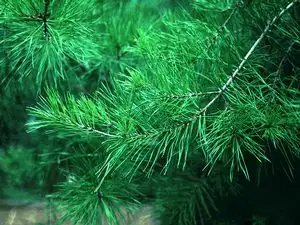
Almost everything about Pinus glabra argues against their being a pine at all. The bark is smooth and gray, close-grained, so like the bark of an oak or hickory that people walk straight past a mature one without taking the tree for a conifer; it is the single most reliable way to know the tree. The needles are soft, short, and paired, a cool dark green, worn in a dense rounded crown rather than the open candelabra of their relatives. And most usefully, they tolerate shade. Where nearly every other southern pine demands full sun and open, burned ground, spruce pine settles happily into the wooded margins just above the bottomlands, growing in the understory beneath oaks, beech, and magnolia. They were named by Thomas Walter, the English-born botanist of the Santee whose Flora Caroliniana appeared in London in 1788, the year before he died; the epithet glabra, meaning smooth and hairless, marks those glabrous young twigs. Even the timber keeps its own counsel, drying at so different a rate from other southern pines that mills cannot season it in the same batch. This is a pine for the places pines aren't supposed to go: the shaded corner, the woodland edge, the spot where you wanted evergreen structure and assumed you couldn't have it. Once you can recognize one, you start wanting them everywhere the light runs thin.
さらに多くの発見があります



質問とディスカッション