

このページは原文のまま表示されています。翻訳はまだご利用いただけません。
Seedsunセレクション
Styrax japonicus
SKU: STYR-JAPO-01Q
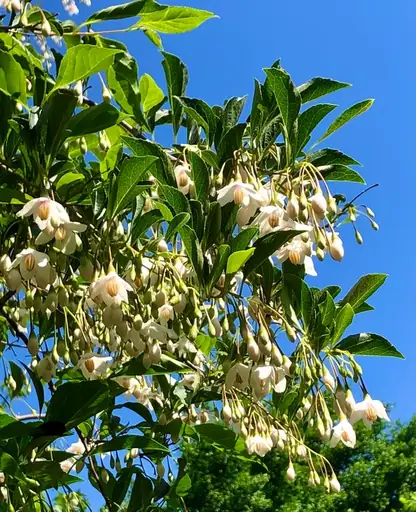
To see Styrax japonicus properly you have to look up. The leaves ride along the tops of the branches, all turned to the sky, while underneath, in late spring, hang rows of small white bells on slender stalks, so the whole horizontal tier of the tree seems lit from below. Stand beneath one in bloom.
個別の見積もりをご依頼ください
価格、梱包サイズ、在庫状況は、お客様専用の見積書にてご確認いただけます。お問い合わせを送信しても、お支払い済みの注文は確定されません。
適性、播種方法、栽培条件について尋ねてください。
お見積書に記載されている配送オプションと必要書類をご確認ください。
この品種について
To see Styrax japonicus properly you have to look up. The leaves ride along the tops of the branches, all turned to the sky, while underneath, in late spring, hang rows of small white bells on slender stalks, so the whole horizontal tier of the tree seems lit from below. Stand beneath one in bloom and the common name explains itself.
They came west in 1862, gathered in Japan and Korea by the collector Richard Oldham and sent home to Kew, and they have been furnishing gardens with their tiered grace ever since. The genus carries an old and fragrant pedigree: Styrax is the classical name for the trees that gave the world storax and benzoin, the balsamic resins burned as incense and folded into perfume since antiquity, though that resin comes from their tropical cousins and not from this one.
What this tree gives is the flowers, a faint sweetness on a warm evening, and afterward small olive-shaped drupes on long stems. The Japanese call them egonoki, a name drawn from the throat-catching acridity of those fruits, which were once crushed to stun fish and lather like soap, and whose hard wood was turned into umbrella ribs and the body of the kokyu, the old bowed fiddle.
They want what their woodland made them want: moisture, acid soil, and shade through the worst of the afternoon. Give them a spot where the morning light comes filtered through the canopy, and let people discover, year after year, that the flowers are hiding just over their heads.
さらに多くの発見があります



質問とディスカッション