
5 Common Causes of Holes in Basil Leaves
Whole leaves sprinkled on top of pho or mozzarella cheese. Mashed with pine nuts in a mortar and pestle into a rich pesto. Layered on bruschetta, muddled into a mojito, or mixed into a blueberry cheesecake. Basil is the best. Sadly, many pests agree. There are a handful of invertebrates that will.
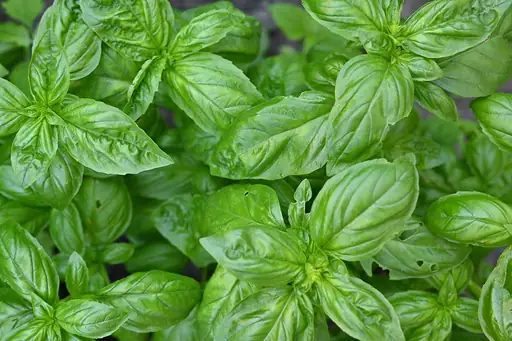
Whole leaves sprinkled on top of pho or mozzarella cheese. Mashed with pine nuts in a mortar and pestle into a rich pesto.
Layered on bruschetta, muddled into a mojito, or mixed into a blueberry cheesecake. Basil is the best.
Sadly, many pests agree. There are a handful of invertebrates that will feed on basil leaves, rendering them full of holes. In addition, there’s a fungus that can also cause holes in the foliage.
Not only are these holes ugly, but depending on what’s causing them, the basil plant can even die.
We’re going to go over five causes of holes in basil leaves and what you can do about them. Here’s the list:
What You’ll Learn
1. Cercospora Leaf Spot
2. Grasshoppers
3. Japanese Beetles
4. Owlet Moths
5. Slugs and Snails
Pests are the problem most of the time, but there is one fungus that can cause holes in basil foliage. Let’s chat about that, first.
1. Cercospora Leaf Spot
Cercospora leaf spot is an issue caused by fungi in the Cercospora genus. It causes dark spots on the foliage that develop tan centers as the disease progresses.
As the spots age, sometimes the tan middle will fall out, leaving holes with dark margins. The symptoms usually start on older leaves first.
In older plants, you just pluck off the symptomatic foliage and dispose of it. In seedlings, this disease can kill your basil entirely.
The fungus spreads through water, in temperatures between 77 and 95°F and high humidity.
You can work towards creating the right conditions by watering at the soil level and not on the leaves, and providing adequate spacing between plants. Check out our guide to growing basil if you need a refresher.
If the worst happens and your basil is infected, it’s copper to the rescue. Copper fungicide can kill the fungus that causes this disease.
Apply it every three weeks following the manufacturer’s directions.
Bonide Copper Fungicide
You can also pull symptomatic leaves and hope for the best since basil can be fairly short-lived.
2. Grasshoppers
When I was a kid, I loved finding grasshoppers in the garden. Now that I’m older, not so much.
If you’ve ever looked at a grasshopper up close, they have some serious mandibles that can rip and chew leaves, and they aren’t afraid to use them.
If you see angular, jagged holes and it’s the height of summer, suspect grasshoppers.
Unless they’re causing serious damage, you can kind of ignore these pests. You can hand pick the grasshoppers when you see them and drown them in soapy water.
During years when grasshoppers are present, which typically happen after a dry, hot summer, you might need to take control a step further.
You can use baits to catch the pests and rye or timothy as a trap crop.
Monterey Garden Insect Spray
You can also use an insecticide that contains spinosad, like Monterey Garden Spray.
3. Japanese Beetles
Japanese beetles (Popillia japonica) are cute, but don’t fall for their pretty faces.
They’re the garden equivalent of a starving teen devouring everything in your fridge minutes after you go grocery shopping. They are voracious.
These pests look like jewels with shiny copper wings and iridescent heads. They’re about a half-inch long. I think they’re pretty! But I still scream in terror when I see them.
That’s because they chew small holes in the center of the leaves, and when they really get going, they can skeletonize the foliage.
They don’t stick to basil, either. They’ll eat a huge number of plants in your garden, from roses to maples.
Plus, the little jerks excrete a pheromone when they find something tasty to munch on, attracting more of their friends.
On top of that, the grubs can destroy your lawn.
There are many ways to control them, from encouraging your chickens to go to town to spraying your basil with soap.
Learn about how to control Japanese beetles.
4. Owlet Moths
Owlet moths are night-flying moths in the family Noctuidae.
It’s not the adults that are the problem but the larvae, which are various cutworms and armyworms, depending on the species.
These caterpillars feed on all kinds of garden plants, including basil.
Cutworms generally cut off the plant at the base, so they’re probably not the cause of your holey leaves. But armyworms will go to town on the foliage, leaving ragged holes or even devouring the entire plant.
If they don’t give you the icks, feel free to just pluck them off when you see them. Head out at night with a flashlight and poke around under the leaves and along the stems.
If handling larvae isn’t your thing, you have a few other options. A product containing Bacillus thuringiensis v. kurstaki (Btk) is effective against leaf-eating larvae of all kinds.
Bonide Thuricide
Alternatively, spray plants with neem oil or an insecticidal soap.
5. Slugs and Snails
Slugs are present in pretty much every garden, and they’re a menace when it comes to herbaceous plants.
The holes they leave behind are ragged and generally quite large. They can be on the edges of the leaves or in the middle.
You’ve probably dealt with slugs and snails in the past, but if you’re looking for some ideas about how to reduce their populations and limit the damage they do in your garden, please visit our guide.
Make Your Basil Whole Again
Problems are a part of life when you grow plants. We can’t avoid them altogether, it is just a case of learning how to manage pests and other issues that cause issues with our crops.
Holes in foliage are a pretty obvious sign of some sort of a problem, usually with pests.
Which of these problems are you facing? How are you addressing it? Have you run into any additional issues? Let us know in the comments!
And for more information about growing basil in your garden, check out these guides next:
- How to Propagate Basil
- Tips for Growing Spicy Globe Basil
- How to Plant and Grow ‘Dark Opal’ Basil
- Facebook108
- X

질문 및 토론