
3 Common Reasons Why Bleeding Hearts Fail to Bloom
As a child, I was entranced by heart-shaped lockets. While I still think they’re neat as an adult, I tend to prefer plants over necklaces. One of my favorite types of flowers resembles a lady’s locket: bleeding hearts (Lamprocapnos spectabilis). These members of the poppy family, Papaveraceae, bear.
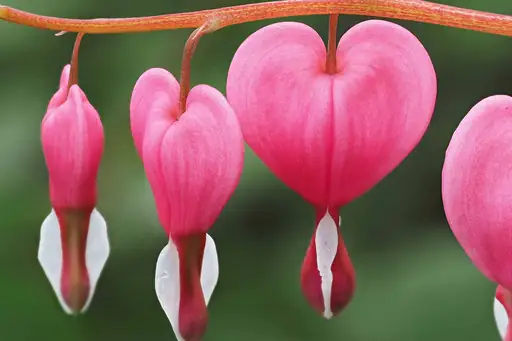
As a child, I was entranced by heart-shaped lockets. While I still think they’re neat as an adult, I tend to prefer plants over necklaces.
One of my favorite types of flowers resembles a lady’s locket: bleeding hearts (Lamprocapnos spectabilis).
These members of the poppy family, Papaveraceae, bear heart-shaped flowers on fleshy stems. And, indeed, “lady’s locket” is one of the nicknames for this pleasing plant.
But what happens if springtime comes and your bleeding hearts don’t bloom, or they produce just a few flowers?
If you’re cultivating L. spectabilis for the first time, or if your reliable plant has suddenly become not-so-reliable when it comes to blooming, you’ve come to the right place.
In this guide, we’ll explore the reasons why your lady’s locket may not bloom, helping you discover how to figure out your plant and get it blooming!
If you want to know more about growing lady’s lockets in general, check out our guide to growing bleeding hearts.
In this article, here’s what you’ll learn:
3 Reasons Why Your Bleeding Heart Won’t Bloom
1. It’s Too Young
2. Transplant Shock
3. Flawed Growing Conditions
We’ve narrowed down the top three reasons why you might not be seeing any flowers on that lady’s locket. Let’s dive in!
1. It’s Too Young
One of the more difficult aspects of gardening is that it takes patience.
When you plant a young bleeding heart in your garden, you may expect flowers to appear right away. I totally understand. It’s hard not to when you’re so eager for that beautiful reward.
The thing is, most young L. spectabilis flowers won’t bloom in the first year after you plant them, especially if you grow them from seed.
Even young plants purchased from a nursery may take two to three years before they produce more than a handful of heart-shaped pendant flowers.
So, if you just started growing lady’s locket and the plant is growing well, with foliage that’s lush, green, and pest-free, you probably just need to tap into your well of patience for another year or two.
I know it’s hard, but trust me: it’ll pay off.
2. Transplant Shock
If you recently moved your bleeding heart from one area to another, or you brought home a portion of a divided plant given to you by a friend, you may need to wait a year before you’ll see any blooms, according to the experts at the University of Wisconsin-Madison Extension.
Transplanting a lady’s locket can be shocking to the plant, and it may take a year off blooming to focus on recovering from the move.
Make sure you give it the right amounts of sunlight, water, weeding, and general TLC, and it’ll almost certainly bloom in about a year.
3. Flawed Growing Conditions
While bleeding hearts tend to be easygoing, they can get upset if certain needs aren’t met. (Don’t we all?) And when they are upset, they may begin to show signs of stress, such as yellowing leaves, a sad flower display, or a total lack of blossoms.
So what can make a lady’s locket upset? One culprit is heat and sunshine. If you were over the moon with excitement when you brought your new L. spectabilis home, you may have forgotten to read up on the best growing conditions to keep it happy.
Maybe you planted it in a sunny spot, thinking it could soak up light to produce those gorgeous flowers, only to realize that you live in Zone 8, which is technically fine for bleeding hearts – as long as they get plenty of cool shade, especially in the afternoon.
If you accidentally planted your bleeding heart in a bright, sunny location, transplant it!
Locate a spot that you know receives at least four hours of shade – all the better if the shade hits in the afternoon. Make sure the soil in your chosen location is well-draining, too, as another culprit for an unhappy lady’s locket is soggy soil.
Carefully dig up the plant, avoiding disturbing the root system as much as possible. In the new location, dig a hole the same size as the root ball and place the plant inside. Backfill with soil and water thoroughly.
With plenty of shade in its warmer locale, your bleeding heart should perk back up, but it may take time. Remember: after a transplant, it can take up to a year before flowers make an appearance.
If you’ve accidentally planted your bleeding heart in soil that doesn’t drain well, such as clay soil, you may need to move it elsewhere following the instructions above.
Or, transplant it into a container. Choose one that is at least 10 to 12 inches deep and wide with drainage holes and a detachable dish.
Fill the pot with potting soil and make a hole the depth and width of the root ball you’re transplanting.
Check the health of the roots, and snip any that are slimy and showing signs of rot. Carefully move the stressed-out plant to the pot, and backfill with fresh soil.
If the area that you removed the plant from was really drenched, you may not need to water immediately after transplanting.
Remember to dump any water left in the dish when you do irrigate about 10 minutes after watering, to avoid leaving the roots in standing water.
Keep your pot in a location that receives some nice shade if you live in Zones 6 through 9, or somewhere with several hours of sun for those in Zones 2 through 5, and you’re all set.
Lady’s locket appreciates rich soil, so consider adding a tablespoon of bone meal to give your plants a boost.
Bone meal is a good source of phosphorus, and phosphorus helps to encourage plants to develop strong stems and flowers.
Down to Earth Bone Meal
Down to Earth™ sells a 3-15-0 bone meal and calcium mix that works well to encourage blooms.
Learn more about how to use bone meal in our guide.
If it’s been a while since you fertilized your plant – as in, a couple years (no judgment here! It happens!) – go ahead and add a fertilizer that’s higher in phosphorus than nitrogen and potassium to help encourage blooms.
Be sure to read our tips on keeping your bleeding hearts healthy during the winter for even more help with these lovely plants.
Bloomin’ Bleeding Hearts
Whether you’re growing these pretty pendant flowers for the first time or feel like the details are old hat when it comes to lady’s locket, there’s always more to learn.
Have you ever struggled to get your bleeding hearts to bloom? Let us know in the comments below. We always love to hear from you!
And before you go, check out some of our other bleeding heart care guides:
- How to Identify and Manage Diseases in Bleeding Heart Plants
- Do Bleeding Heart Flowers Change Color?
- How to Propagate Bleeding Hearts to Create More Plants
- Facebook78
- X




질문 및 토론