
Chickens in the Garden: What You Need to Know
I have lived on a farm or homestead for 32 of my 39 years of life. During most of those years, we tended to large gardens and kept a sizeable flock of poultry. Every few years or so, I’ll see an article in a magazine, glamorizing the “chicken-friendly garden.” It will include idyllic photos of.
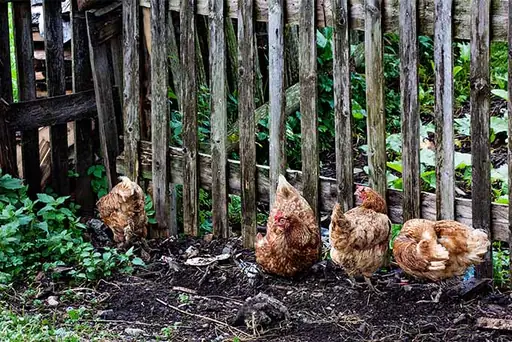
I have lived on a farm or homestead for 32 of my 39 years of life. During most of those years, we tended to large gardens and kept a sizeable flock of poultry.
Every few years or so, I’ll see an article in a magazine, glamorizing the “chicken-friendly garden.” It will include idyllic photos of small red Bantams plucking beetles from a new squash vine.
There will be talk of how simple it is to skip the middleman and allow the birds to fertilize the garden directly.
The truth about why I homestead has forced me to be realistic concerning the facts about chickens and my harvest.
Even the pins on Pinterest make it sound so beautiful.
Surely, I must be doing something wrong in keeping chickens and garden separate?
I love my little hens. They are wonderful and inquisitive creatures, and their eggs make me so happy! My number one goal in gardening, however, is not to offer them a place to hang out. It is to feed my family.
The truth about why I homestead has forced me to be realistic concerning the facts about chickens and my harvest.
While they can coexist, there are some deliberate (and often labor-intensive) steps that you’ll need to take to keep both birds and growers happy! These include setting proper boundaries and implementing safer ways to integrate the worlds of fowl and flora.
Chickens Are Selfish
The most important of these is that these creatures want what they want and are very, very destructive to plants and their fruits. Some of their trademark behaviors include:
- Eating freshly sown seeds from the soil.
- Pulling up newly sprouted seedlings.
- Creating a “dust-bath” in the newly tilled soil and smothering any vegetation growing there.
- Stripping certain plants of their leaves and flowers.
- Eating newly set-on fruits.
There is a very short window of time that would be appropriate to allow them to live inside a garden.
That time is after the plants have grown to a size that they won’t be easily mowed down by hungry, broody, or molting hens. But they cannot be in the garden once fruit sets on, either.
This means there are only a few weeks when they would be able to peacefully coexist with your garden plants without much harm.
Birds in Their Time Zones
So, how does a discerning gardener determine when to put hens in the garden?
Most garden plants do not all produce at the same time. What may be the perfect occasion to provide a little pest control for the squash is ill-timed for the tiny, tender green tomatoes that would just be setting on late in July.
Therefore, chickens work best when assigned to a portion of a properly zoned garden.
“Time Zone Gardening” (as I’ve dubbed it) puts plants that produce at around the same time together. This makes it easy to block off the peppers and tomatoes from the late-producing winter squash.
Chickens can rotate through the zones at the appropriate times, causing insignificant damage from their overzealous grazing or scratching.
Easy and Affordable Fencing
You can give your garden the best possible chance of survival by dividing your zones with deer or rabbit fencing.
Material that is two feet in height, stretched out and secured with small posts, should keep birds put.
Very few will think of crawling underneath, but you can always use small tent pins or a similar stake-type fastener to secure the fencing to the ground soil.
This brings us to how to keep birds in their place. I’m not going to lie and tell you that chickens do what they are supposed to do. Ever.
I’m not going to lie and tell you that chickens do what they are supposed to do. Ever.
If you allow your birds to go natural (i.e. no wing clipping or other modifications), they can – and will – learn to fly as high as their little wings will take them. This means that even the best-constructed garden fencing can eventually fail.
Tiny bantams who have no idea that there is life outside the netting are ideal for this type of environment. The broody, five-year-old Black Australorp hen with ideas about the world is not.
Choose the right chicken, and you’ll have far fewer bad behaviors to deal with!
Perimeter Duty for Hens
If you are in love with the idea of having your chickens work the garden, and you are beyond frustrated with trying to keep them sorted out, perimeter work may be for you.
Building a chicken run along the outside walls of your garden is better than nothing. Chickens can make quite a difference in keeping grasshopper and slug populations down by only working the outside edges.
Overzealous pumpkin vines are redirected to this fourth wall, or I may allow an heirloom cucumber to make its home here. Garden fences are prime real estate for many of my experiments, so I’m not willing to give them all up to the chickens!
Raised Beds, Lowered Chickens
Finally, if you’re looking for an easier way to let poultry have their fun and do a little pest-control work while they’re at it, put them around your raised beds.
Once my greens are fully established, the chickens don’t want much to do with them. They will, however, scurry around the base of the raised beds, reaching up to snag a slug or harmful grub straight out of the dirt.
Again, this is probably best for the better-behaved, smaller hens. If at any point they find the greens to be tasty enough to reach for, they get put back into perimeter duty. This type of gardening only works with very clear boundaries!
Problems to Look For
There will always be exceptions to best practices.
Chickens seem made to stretch your expectations and challenge the typical gardener. That’s why you should be on the lookout for the following troublemakers who would be better off free ranging in the field than inside the fence with your plants:
Broody Hens
These gals will find a place to nest (usually somewhere in the wild mass of overgrown tomatoes) and refuse to leave.
Roosters
If you keep roosters, you know that they have a purpose. But they also cause hens to fight and distract from the job of pest control.
Gardening is an all-girls activity for the chickens on our farm.
Hen and Chick Sets
Unless you want to hear hours and hours of distressed calls between mother hen and baby, leave the little ones out of the garden. They tend to get tripped up and lost in the maze of plants.
Chicks are better off in a more secure and less overgrown environment.
A Natural Partnership for Your Garden
I have yet to decide if we will deal with the hassle of putting fowl in the gardens this year.
Even if you decide to keep your feathered friends out, there are ways to keep the symbiotic relationship alive – even in a surrogate manner.
Weeds and rotted fruits should get tossed to your hens daily. Chicken manure can be put into compost where it will be turned into a safer, less nitrogen-rich version than when delivered “in person.” Even eggs shells can be ground down into a fine soil additive for good plant root health!
Chickens and the garden are natural partners for a more healthy, efficient system. How you put them together, however, is a very personal choice.
Will you be putting birds inside your garden fence this year? What stories can you share about chicken environments gone wrong? Tell us in the comments! And don’t forget to check out our article on growing greens for healthy and happy chickens.
- Facebook436
- X




질문 및 토론