
The Best Companion Plants to Grow with Dill
The distinctive flavor of dill, Anethum graveolens, is said to resemble a combination of fennel, anise, and celery. The feathery leaves of this delicate and attractive herb are often used to season savory dishes, including fish, salads, and soups. And the plant’s seeds are also put to culinary use,.
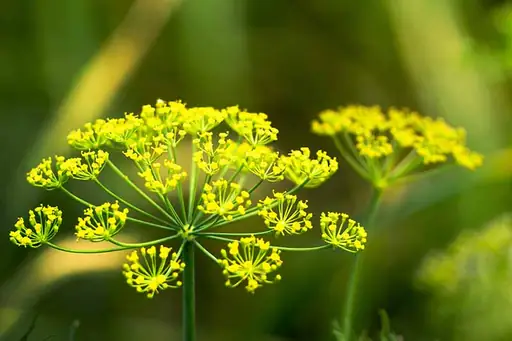
The distinctive flavor of dill, Anethum graveolens, is said to resemble a combination of fennel, anise, and celery.
The feathery leaves of this delicate and attractive herb are often used to season savory dishes, including fish, salads, and soups.
And the plant’s seeds are also put to culinary use, taking on a starring role in dill pickles, for example.
If you’re considering adding this useful herb to your garden, you may be wondering where exactly to fit it in, and which plants work well as companions for it.
First, we’ll take a quick look at what companion plants are and why they’re important, then we’ll offer some examples of what to group this herb with, and which ones to grow on the other side of the garden.
What You’ll Learn
- Why Companion Plant?
- What Goes With Dill?
- What You Should Not Plant With Dill
Why Companion Plant?
One might pair, or group, particular plants in the garden for any number of reasons.
A particular plant, for example, might attract pollinators that are beneficial to another. Or a carefully chosen plant may repel pests that plague its neighbor.
One plant may tuck neatly under another one, maximizing space.
Sometimes plants are grouped based on their resource utilization, with each plant drawing differing nutrients from the soil, so as not to impinge on each other’s requirements.
Plants may be incompatible neighbors because they’re a little too closely related, as we’ll discover shortly.
And many times, of course, specimens are grouped based on aesthetics… what looks good together?
All of these are important considerations when you’re planning out your garden for the season.
What Goes With Dill?
When identifying plants that make sense to grow with it, let’s begin with cole crops.
Pests such as cabbage worms and cabbage loopers that plague brassicas are repelled by dill, so it’s a good idea to put this herb near vegetables in that group, which includes brussels sprouts, cabbage, broccoli, collards, and kohlrabi.
Moving beyond the brassica family to the trickier relationship between dill and tomatoes, we encounter a conundrum.
On the one hand, immature dill repels the dreaded tomato hornworm, and is said to improve the growth of tomatoes. On the other hand, however, once the herb matures, it can actually impede the growth of tomato plants.
What to do? We’ll leave it up to you as to whether you want to plant dill near tomatoes and then pull it before it gets too grown up – but keep in mind that A. graveolens does not transplant well.
Onions and garlic repel aphids, which can pester dill, so gardeners might consider planting these members of the Amaryllidaceae family near the herb.
In turn, it repels spider mites, so crops including cucumbers that are particularly plagued by this pest would make good companions.
Dill attracts predatory insects that feast on bugs that bug asparagus, corn, cucumbers, lettuce, and basil.
Dill also attracts hoverflies, ladybugs, praying mantises, bees, butterflies, and parasitic wasps, so plants that are in need of those beneficials would be good companions for A. graveolens.
As far as appearance goes, the feathery leaves offer a lovely contrast to many plants, so let your imagination run wild.
Bear in mind also that this herb can grow 2 to 4 feet tall.
What You Should Not Plant With Dill
While this herb makes a good companion for many plants, there are also those with which it should not be grown.
For example, it generally should not be grown near its Umbellifer family members, such as fennel, caraway, celery, and carrots. Fennel can potentially cross-pollinate with dill, producing a bitter-tasting hybrid. Mature dill can stunt the growth of nearby carrots.
There is an exception to this rule. It it often planted along side Umbellifers to act as a trap crop and attract pests that would otherwise feed on the other veggies.
Sometimes, these trap crops are burned after infestation to kill adults, eggs, and larvae of the pest insect. But one of the main feeders on Umbellifers are swallowtail butterfly catepillars which are pollinators as adults. Gardeners may just want to leave them be and plant extra.
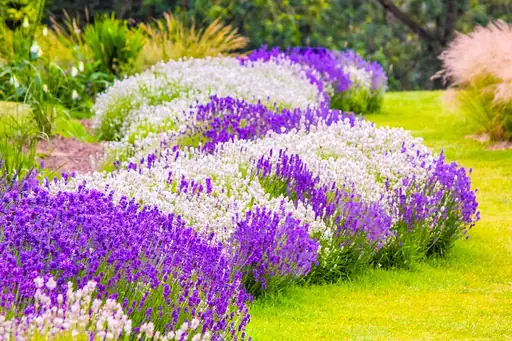
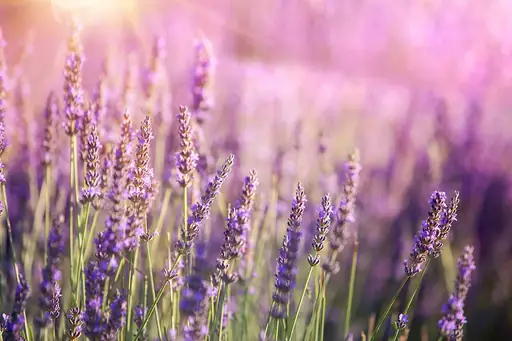
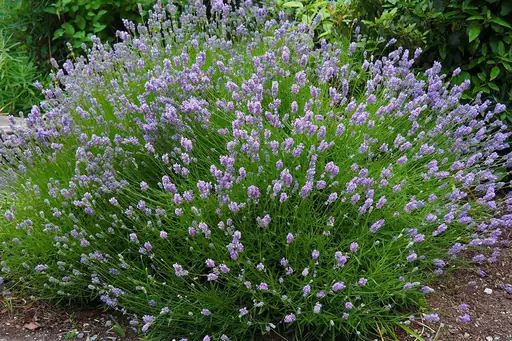
It also should not be planted near peppers, eggplant, potatoes, or lavender.
Do Dill, and Do It Right
Dill is a savory and attractive addition to the landscape – not to mention the kitchen – but gardeners should give some thought and attention to where it is grown.
Combined with the right plants, it will thrive or enable others to thrive.
Do you do dill? In the comments section below, share your experiences growing this flavorful herb.
If you’d like more information about growing herbs, check out these articles next:
- How To Grow and Use Lemon Balm
- Grow Common Sage, A Mediterranean Culinary Staple
- Love It Or Hate It, Cilantro Is Easy to Grow
- Facebook182
- X
질문 및 토론