
7 Causes of Peeling and Cracking Bark on Dogwoods
Dogwoods are stunning trees and they’re often grown as a focal point in the landscape, which makes it pretty devastating when you discover a problem like peeling or splitting bark. In some cases, the damage is cosmetic and part of the tree’s natural aging process. In others, it might be a sign of.
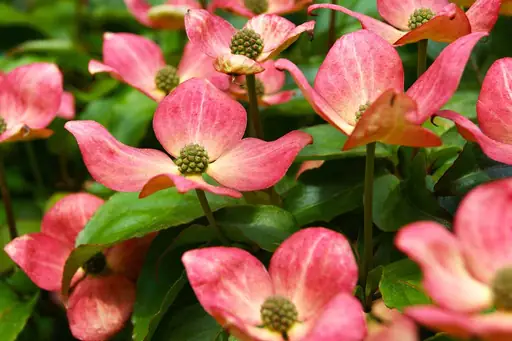
Dogwoods are stunning trees and they’re often grown as a focal point in the landscape, which makes it pretty devastating when you discover a problem like peeling or splitting bark.
In some cases, the damage is cosmetic and part of the tree’s natural aging process. In others, it might be a sign of stress or a disease that needs your attention.
Our guide to growing dogwood gives an overview of how to cultivate the various species in the Cornus genus, from glorious flowering varieties to the shrubbier, red twig types.
In this guide, we’ll go over seven of the most common reasons why dogwood bark may peel or crack, and how to tell which one might be affecting your tree.
By the end, you’ll have a clearer idea of what’s going on and what – if anything – you need to do to help your tree recover.
Here’s what we’ll cover:
Causes of Peeling Bark in Dogwoods
1. Age
2. Anthracnose
3. Borer Damage
4. Canker
5. Drought
6. Injury
7. Winter Cracking
1. Age
With some dogwood species, peeling bark is a feature, not a problem. Kousa dogwoods (Cornus kousa) have what is called exfoliating bark.
The bark peels from the tree as it matures. For many gardeners, this element adds a delightful texture to the landscape that is especially prominent in the winter after the tree has shed its leaves.
So if you have a kousa dogwood that is more than a few years old, the flaking bark is all part of the fun!
Not all species have this characteristic and others have it to a less distinct degree.
The bark of Pacific dogwoods (C. nuttallii), for example, take on a rough texture that can appear to be peeling or flaking.
But if you notice peeling, flaking bark on a flowering dogwood (C. florida) or another non-shedding type, it’s a problem.
Research the specifics of which species you’re growing to make sure this isn’t just a normal part of the tree’s life cycle.
2. Anthracnose
When it comes to super bad, no-good diseases, dogwood anthracnose would certainly top the list.
This fungal disease is extremely dangerous and has drastically reduced native Cornus populations across North America.
Caused by the aptly-named pathogen Discula destructiva, symptoms start out as spots on the leaves and flowers, which might lull you into a false sense of security that it’s not a big deal. But it is.
As the disease takes hold, those spots become sunken lesions and cankers form in the bark and on the branches and twigs. This can cause girdling and peeling bark.
There is no cure, but there are ways to contain the spread.
Learn more about dogwood anthracnose here.
3. Borer Damage
Dogwood borers (Synanthedon scitula) are bad, bad news. I’ve seen an infestation kill a tree rapidly.
The adult is a clearwing moth that actually looks more like a bee than a moth, with its one-inch wingspan and yellow and black stripes on the body.
The adults themselves don’t cause any damage, the problem is the creamy-brown, half-inch larvae.
David Laughlin, Horticultural student, Bugwood.orgAdults appear in the summer and the females lay their eggs on the tree in knots, injured spots, and other areas they can hide.
The eggs hatch in a few weeks and the larvae tunnel into the bark to overwinter.
In the spring, they continue to tunnel and feed for up to a year before pupating and emerging as adults.
Dogwood borers are pretty much unheard of west of the Rockies, but in eastern North America, you’ll see frass at the base of trunks or burr knots, pupal cases, and, yep, peeling bark.
However, it usually takes several years of consistent infestation before the tree will reach the peeling stage.
At that point, you’ll see large sections of bark separate from the tree, revealing the wood underneath.
Unfortunately, once the bark starts peeling, there’s nothing you can do. The tree will eventually die and you’ll have to remove it. If this happens, don’t plant a dogwood in the same spot for a few years at least.
These pests will also feed on apple, flowering cherry, mountain ash, oak, and willow.
You can spray the tree with beneficial nematodes but you’ll need to get the timing right, before the larvae have tunneled into the tree.
Triple Threat Nematodes
4. Canker
Twig and branch canker is caused by fungi in the Botryosphaeria and Diplodia genera.
The fungi enter through damaged areas in the bark or on the lenticels on branches, causing sunken, dark areas to form.
This can cause bark to peel or crack, and sap may ooze out. It also causes twigs and stems to die back.
A sick tree might drop some of the bark in the infected area. And the specimen might be severely stunted, depending on the size and age. The trees or shrubs will also put out a lot of water sprouts or offshoots.
You’ll also see yellowing leaves and foliage drop.
It’s always best to consult with an arborist to confirm the presence of a disease, but you can peel away some of the damaged bark to look for fruiting bodies.
Note that both sunscald and drought can both leave a tree susceptible to canker. Trim away any symptomatic areas, if possible.
You can treat the plant using a product that contains phosphorous acid. Just be super careful and follow the manufacturer’s directions carefully.
It can cause serious, permanent eye damage and painful skin burns if you come in contact with the chemical. But used appropriately, it’s extremely effective.
OxiPhos Bactericide and Fungicide
5. Drought
Many dogwood species like consistently moist soil and will suffer in extended periods of drought.
Drought tolerance can vary according to the species, all can stand a brief period of dry weather but when the days and weeks add up, peeling bark can become a problem.
In general, peeling bark is a sign of stress, and drought is a major contributor to stress for these trees.
If the peeling bark is a result of drought, make sure you keep on top of the irrigation and the problem should resolve.
6. Injury
Sometimes we don’t realize that our plants are being damaged by rubbing or bumping from common garden tools like lawnmowers or trimmers.
Whether you do your own yard care or hire a contractor, if a tool bumps up against the tree, it can cause injury that will cause the bark to peel or crack.
Rubbing from animals can have the same effect. If deer or elk come around and rub on the tree with their body or antlers, it can cause cracking and peeling.
7. Winter Cracking
During the winter, there are always freeze and thaw cycles which causes the water inside the bark to expand and contract.
When this happens rapidly, it can cause what are known as frost cracks.
These cracks can be several feet long depending on the size of the specimen and you will typically see them on the side of the tree that faces south or southwest.
As the weather warms up, the cracks might heal or they may remain open. If they stay open, then any water that gets in will be subject to the same freeze and thaw cycle causing the cracks to expand.
The cracks themselves aren’t the biggest problem. It’s the fact that they leave the tree susceptible to pests and diseases.
Since you can’t fix the cracks, try to avoid them in the first place.
First, add a layer of mulch all around the plant. A couple of inches of leaf litter, compost, or shredded bark works.
Then, make sure you water deeply up until the time the ground freezes.
Don’t Crack Under Pressure
It’s devastating when you discover a problem with a beloved tree. Especially one like cracking bark, which could mean anything from imminent death to the joys of middle (tree) age!
What’s the problem with your dogwood? Are you having trouble figuring out the cause of the cracking bark? Let us know in the comments and we’ll try to help you figure it all out.
And for more information about growing dogwoods in your landscape, add these guides to your reading list next:
- 13 Common Causes of Dogwood Leaf Drop
- Tips for Growing Dwarf Cornel (Bunchberry)
- How to Grow and Care for Silky Dogwood
- X




질문 및 토론