
Learn How to Plant and Grow Catnip
Nepeta cataria Catnip is a flowering perennial in the Nepeta genus. This easy-to-grow herb makes a valuable addition to the garden, with a wide range of available uses from culinary spice to therapeutic tea for indigestion, colds, and other ailments. And of course, your cats will be thrilled to.
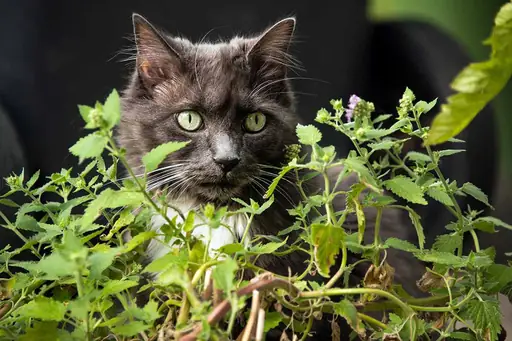
Nepeta cataria
Catnip is a flowering perennial in the Nepeta genus.
This easy-to-grow herb makes a valuable addition to the garden, with a wide range of available uses from culinary spice to therapeutic tea for indigestion, colds, and other ailments.
And of course, your cats will be thrilled to have fresh catnip around!
Continue reading to learn more about growing and using catnip.
What You’ll Learn
- What Is Catnip?
- Cultivation and History
- Propagation
- How to Grow
- Growing Tips
- Pruning and Maintenance
- Where to Buy
- Managing Pests and Disease
- Harvesting, Preservation, and Storage
- Best Uses
- Quick Reference Growing Guide
What Is Catnip?
Hardy in USDA Hardiness Zones 3 through 9, catnip is a perennial herb with a clumping growth habit that can reach a few feet tall and wide.
It has square stems similar to other members of the mint family, as well as gray-green toothed leaves, and spikes of small white or light pink flowers with pale purple specks.
It is sometimes confused with catmint (Nepeta mussinii), which has purple flowers and is less weedy in appearance, making it a more popular choice for landscaping.
You can learn more about the differences between catnip and catmint in our guide.
Cultivation and History
Native to parts of Europe, Asia, and Africa, N. cataria has naturalized widely around the globe.
Its first documented use in North America was in the 1800s, where it was used as a culinary herb.
It also has a long history of medicinal use, particularly in children experiencing colic, stress, fevers, and stomach aches. Catnip tea is readily available for sale, often marketed as an herb for digestive support, or it can be made at home.
But the most common place where you will find catnip these days is in a pet store, stuffed into cat toys, concentrated in sprays, or sprinkled on scratching posts.
It is rumored around the internet that ancient Egyptians may have been the first to give catnip to cats, though there is no documented evidence to support this.
The temporary euphoria experienced by many cats is actually due to a volatile oil called nepetalactone that the herb contains.
It is thought that this compound binds to nasal receptors and stimulates sensory neurons in felines, resulting in a range of ridiculous reactions such as rolling around on the ground, running into things, and drooling.
It doesn’t produce the same reaction in humans.
Catnip Plant Propagation
Catnip is easy to propagate, and plants can be started in a number of different ways.
From Seed
Before planting, it is best to cold stratify the seeds by placing them in the freezer overnight, and then soaking them in water for 12 to 24 hours. This helps them to germinate more quickly.
Four to eight weeks before the last predicted frost in your area, prepare three- to four-inch pots with seed-starting mix and sprinkle a few seeds on top, pressing them lightly into the soil. Barely cover the seeds, as light aids germination.
Once planted, keep the soil evenly moist until seedlings appear, and then set the pots under grow lights or in a sunny window. Thin them to the strongest seedling in each pot.
You can also direct sow seeds in a garden bed with about an inch of organic matter mixed in. Sprinkle the seeds on the soil surface, pressing them lightly into the soil.
Keep the soil moist until seedlings appear, and then thin them to about 18 inches.
Division and Cuttings
You can also easily propagate catnip by division and from cuttings. Check out our guide to growing catmint for step by step instructions that are the same for all Nepeta plants.
From Seedlings/Transplanting
Whether you start from seed, take cuttings from an existing plant, or purchase nursery stock, catnip should be planted out in the garden after the danger of frost has passed.
Set seedlings in holes dug to accommodate the depth of the roots, spacing them about 18 inches apart. Water them in well.
How to Grow Catnip Plants
Grow in full sun, in a location that receives at least six hours of sunlight per day. Afternoon shade can be helpful in hot climates.
Catnip is tolerant of a wide range of soil types as long as it is well draining. Though this is not required, it is useful to mix an inch or so of compost into the garden bed to provide a boost of nutrients.
Provide about an inch of water a week for the first year. Established plants are drought tolerant and will only need water during long dry spells. There is no need for added fertilizer.
Add leaf, straw, or shredded bark mulch to improve drainage, maintain moisture, and suppress weeds.
Keep in mind that this herb is an aggressive grower, and it may spread if it’s not kept in check. It can therefore be beneficial to grow it in a raised bed or container to reduce the risk of spreading.
If you’re growing yours in a container, follow the instructions outlined above in the section on propagating from seed, being sure to set the pot in a sunny spot outdoors or on a south-facing windowsill.
Indoor plants should be rotated every few days to prevent legginess and bending toward the light.
Allow potted plants to dry out between waterings, and then saturate the soil until water seeps out of the drainage holes.
Growing Tips
- Grow in full sun in well-draining soil.
- Water about an inch per week the first season, and established plants only during drought.
- Plant in containers or raised beds to reduce spreading.
Pruning and Maintenance
After flowering, you can trim plants back by about a third. This will help to revive straggly foliage and may encourage repeated blooming.
Dividing mature plants once a season can also help to keep plants from spreading too aggressively.
During the fall or spring, use a garden spade to slice vertically through the roots to split a section away from the plant, and dig it up. You can replant divisions in the garden, compost them, or give them to a friend.
Where to Buy
Nepeta cataria
Seeds come in packets of 510 or 770.
Cat Lover’s Collection
If you are looking for a fun gift for your kitty, you can also purchase their Cat Lover’s Collection, which includes organic catnip seeds as well as four different kitty grass and oats blends, all of which can be grown indoors year round.
Managing Pests and Disease
There isn’t too much to worry about with catnip in terms of pests and diseases. Essential oils produced by this hardy perennial can actually deter many common garden pests.
It is still prudent to keep an eye out for occasional damage from pests such as slugs, spider mites, and whiteflies. Unless infestations are serious, pests can be handpicked or removed with a strong stream of water.
Curious outdoor cats can also be a problem if plants aren’t well protected by fencing.
Bacterial leaf spot and fungal diseases such as septoria leaf spot and root rot may cause issues during cool, wet weather.
Be sure to provide good drainage, avoid overwatering, and mulch to keep weeds down. And always remove and dispose of infected plants.
For more specifics on identifying and treating Nepeta pests and disease, our guide to growing catmint covers the same common issues.
Catnip Harvesting, Preservation, and Storage
Harvest the leaves and flowers when plants are blooming in the summer.
While leaves can be harvested earlier in the season, flowering increases the concentration of oils in the foliage, improving their flavor and therapeutic benefits.
You can harvest small amounts as needed, or up to a third of the plant at a time, cutting the top third of each stem.
Both the flowers and the leaves are edible and they can be used fresh, or dried in tea and as a culinary spice.
Dry your harvest by hanging the stems in bundles in a dark, dry location until the leaves crumble easily between your fingers.
Store dried catnip in a tightly lidded jar in a dark cabinet, and use it for tea – or to make toys for your cats!
Get detailed instructions on drying and storing herbs here.
Fresh leaves and flowers are best if used right away, but they can be stored in a zippered bag in the refrigerator for a few days, like what you might do with peppermint.
Best Uses
There are lots of ideas out there on how to make catnip toys. The easiest one I have found is to pour some dried catnip into an old sock, and tie it up.
My cats go so catnip crazy, we have to keep our toys in a highly secure location between uses.
In addition to providing fun for our feline friends, catnip has many uses for humans as well.
A relaxing aromatic herb, catnip is commonly steeped as a tea to help with stress and insomnia, as well as for digestive support.
Because it is safe and mild, it is often given to children suffering from colic, fever, and nervous tummy aches.
While a less common culinary herb, the leaves and flowers can be used sparingly in cooking, and have a somewhat similar flavor to mint, though with a bit of a strong bitterness.
Nepetalactone is also insecticidal, and can be used as a natural insect repellent.
Along these same lines, growing some in the veggie garden could also help to deter pests such as cabbage loopers, squash bugs, and flea beetles.
Quick Reference Growing Guide
| Plant Type: | Perennial herb | Maintenance: | Low |
| Native to: | Africa, Asia, Europe | Tolerance: | Drought |
| Hardiness (USDA Zone): | 3-9 | Soil Type: | Average |
| Season: | Spring-fall | Soil pH: | 6.0-7.5 |
| Exposure: | Full sun | Soil Drainage: | Well-draining |
| Spacing: | 18 inches | Attracts: | Bees, butterflies, hummingbirds |
| Planting Depth: | Soil surface (seeds), depth of root ball (transplants) | Companion Planting: | Brassicas, beets, squash |
| Height: | 3 feet | Family: | Lamiaceae |
| Spread: | 3 feet | Genus: | Nepeta |
| Water Needs: | Moderate to low | Species: | Cataria |
| Common Pests: | Aphids, slugs, spider mites, whiteflies | Common Diseases: | Bacterial leaf spot, blight, root rot, septoria leaf spot |
Grow It for the Cats
Catnip is a fantastic, hardy herb to have growing in the garden.
Whether you are hoping to deter pests from your veggie patch, wish to enjoy a cup of soothing herbal tea, or hope to surprise your kitty with a gift of fresh catnip, this is one plant that’s worth having around!
Are you growing catnip? What are your favorite uses for it? Let us know in the comments section below – and feel free to share a picture of your cats!
Want to learn about growing other mint family species? You won’t want to miss these articles:
- How to Grow and Care for Peppermint Plants
- Grow Faassen’s Catmint for Durable Summer Color
- How to Grow and Use Chocolate Mint
- Facebook36
- X850
The staff at Gardener’s Path are not medical professionals and this article should not be construed as medical advice intended to assess, diagnose, prescribe, or promise cure. Gardener’s Path and Ask the Experts, LLC assume no liability for the use or misuse of the material presented above. Always consult with a medical professional before changing your diet or using plant-based remedies or supplements for health and wellness.


질문 및 토론