
How to Grow Winter Cabbage for a Late-Season Harvest
If you want to pull fresh vegetables from your winter garden, consider planting late-season cabbage. Most varieties of this Brassica can survive a light frost, but some cultivars tolerate temperatures as low as 20ºF. Some varieties of green and red types are particularly cold hardy. However, napa.
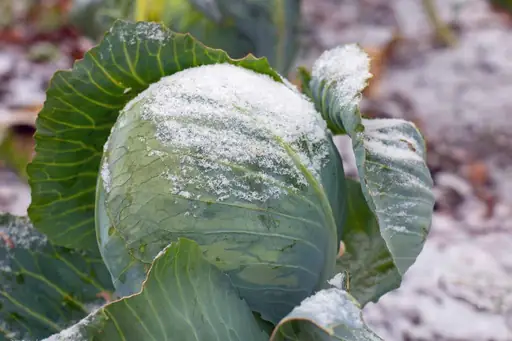
If you want to pull fresh vegetables from your winter garden, consider planting late-season cabbage. Most varieties of this Brassica can survive a light frost, but some cultivars tolerate temperatures as low as 20ºF.
Some varieties of green and red types are particularly cold hardy. However, napa cabbage cultivars tend to be less tolerant of below-freezing temperatures.
Continue reading to learn about how to grow winter cabbage in your garden.
What You’ll Learn
- What Is Winter Cabbage?
- When and How to Plant
- Cultivars to Select
- Provide Protection from Cold
- Harvest Tips
- Storage Tips
- A Crisp Winter Treat
What Is Winter Cabbage?
When growing cabbage for a winter harvest, you’ll need to select a late-season cultivar, also known as “storage variety” or “overwintering” cabbage.
These names refer to the late season types that have better cold tolerance than others, and can provide you with a fresh harvest from November right through to February or March.
Often favored for use in making ferments like sauerkraut – an excellent storage option with probiotic benefits – these varieties often grow the largest heads at maturity, and they tend to keep in cold storage for longer periods than other cultivars as well.
You might be surprised to learn that the main limiting factor for growing cabbage in winter isn’t cold, but light. In the late fall and winter months, the decrease in daylight slows plant growth.
Therefore, it’s important to get plants in the ground early enough so that they have time to mature before the days draw in.
When and How to Plant
An important term to know if you’re planting for a fall and winter harvest is what organic farmer and educator Elliot Coleman refers to in “The Winter Harvest Handbook: Year Round Vegetable Production Using Deep-Organic Techniques and Unheated Greenhouses” as the Persephone Period.
This is the time when day length falls below ten hours.
This period will help you figure out when you should sow seeds in the fall.
To determine when you should plant late-season cabbage seeds, count back 12-14 weeks before the Persephone Period begins in your area. Transplant seedlings 9-12 weeks before this date.
Following this method, Northern growers will plant seeds and transplants before Southern growers.
Planting on these dates allow plants time to mature before the days become short, and there’s not enough light to sustain growth.
To sow seeds, rake the soil and amend it with compost if necessary. Sow at 1/2 inch deep and 11-18 inches apart.
When transplanting seedlings, space plants 12-18 inches apart.
Winter cabbage requires less water than cabbages grown in the spring. Otherwise, growing requirements are the same as for other types of cabbage – see our full growing guide for more info.
Another option is to plant your storage variety cabbage in a container. Choose one that is at least 1 foot in diameter and 1 foot deep. Also, make sure the container has drainage holes, as this vegetable doesn’t like waterlogged conditions.
If you choose to plant in a container, follow the same schedule of planting dates mentioned above.
Cultivars to Select
When choosing your varieties of this cruciferous veggie to plant late in the year for a winter harvest, check seed packets carefully. Do your research before you plant, and select varieties that are labeled “winter,” “cold season,” “overwintering” or “storage” to ensure success.
Here are a few of our favorites that we think you’ll enjoy:
Brunswick
‘Brunswick’ is an heirloom cultivar that can be grown year round. It produces large tight “drum” heads and matures in 85-90 days.
‘Brunswick’
Cold hardy, drought tolerant, and easy to store, seeds are available in a variety of packet sizes from .
Late Flat Dutch
As the name suggests, the ‘Late Flat Dutch’ variety matures in 105 days and tolerates cold temperatures well.
‘Late Flat Dutch’
‘Late Flat Dutch’ has sweet and flavorful leaves, and you can buy seeds to direct sow or transplant in various packet sizes from .
Tundra F1
This hybrid is a cross between a white cabbage and a hardy savoy. ‘Tundra F1’ produces tight heads with dark green leaves. It is quick to mature, frost hardy, and even won an Award of Garden Merit for “reliability and good performance” from the Royal Horticultural Society.
Protovoy AGM
Another award-winning hybrid is ‘Protovoy’, a winter savoy cultivar with small, compact heads and dark green outer leaves.
Provide Protection from Cold
Most cabbages can survive light frosts, but when temperatures dip below 20ºF this can damage them. If you live in an area where the temperature gets this cold, plan to protect your plants.
Floating row covers can protect plants from frost and increase temperatures a little under the cover.
For frost protection, choose a heavyweight cover. Make sure the sides are weighted down and the ends gathered to provide maximum protection against the elements.
Cold frames and low tunnels are other options to protect cabbage from extreme cold.
And if your plants are growing in containers, you can simply bring them inside and place them by a sunny window when very low temperatures are forecast.
Harvest Tips
Cabbage is ready to harvest when the heads are full and firm.
According to Grethen Voyle at Michigan State University Extension, cabbages can be harvested even if they appear frost damaged. Simply peel back damaged leaves until you reach the healthy ones inside.
As an added bonus, light frosts can actually increase the sweetness of these hardy vegetables.
Storage Tips
One of my favorite things about cabbage is that it’s easy to store, and lasts a long time. Once you’ve harvested your heads, they will keep for up to three months in a root cellar.
If you don’t have a root cellar, they will stay fresh in the refrigerator for up to 1 month. I’ve found the best storage method is to place heads in a plastic bag on a shelf.
If you plan to store your crop longer than a week, leave the extra outer leaves intact and wait to wash until you’re ready to prep and eat. Avoiding extra exposure to moisture will help to keep them fresher for longer.
If you pull your cabbage out of storage and discover some rotten leaves, simply peel back the bad ones until you find a healthy-looking head underneath.
A Crisp Winter Treat
Now that you know how to grow winter cabbage, you can start planning your warming dishes.
This recipe from our sister site, Foodal pairs cabbage, potatoes, and white beans for a simple yet filling meal.
Tell us about your successes and challenges with growing winter cabbage in the comments below. We love hearing from you!
To learn more about cabbage, check out these articles next:
- Identify, Prevent, and Treat Common Cabbage Diseases
- How to Grow Savoy Cabbage
- 9 of the Best Cabbage Varieties to Grow at Home
- How Nutritious is Raw Cabbage?
- Facebook196
- X
질문 및 토론