
How to Harvest Aloe Vera Leaves
A succulent perennial that primarily thrives in the desert or dry shrubland biome, the flesh of aloe vera is not only consumed as food, but also used as a natural remedy with many beneficial qualities. And if you want to take advantage of these at home, you’re going to need to know how to harvest.
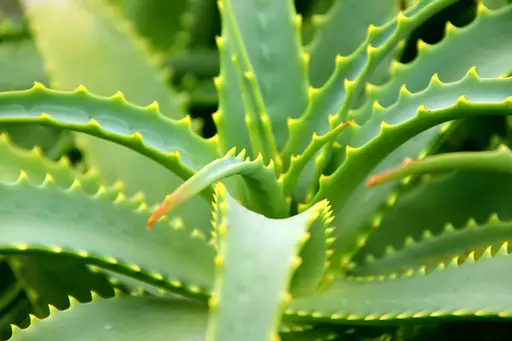
A succulent perennial that primarily thrives in the desert or dry shrubland biome, the flesh of aloe vera is not only consumed as food, but also used as a natural remedy with many beneficial qualities.
And if you want to take advantage of these at home, you’re going to need to know how to harvest it.
Additionally, its drought tolerance makes it an environmentally useful plant, and it is often featured as an ornamental succulent, adding beauty to gardens and homes alike.
In our guide to growing aloe vera, we cover how to cultivate and care for this succulent in your garden.
In this guide, I’ll explain how to properly harvest aloe leaves, along with some of their uses.
Here’s what’s ahead:
What You’ll Learn
- Aloe Gathering Methods
- Preparation After Harvesting
- Uses
Aloe Gathering Methods
When harvesting the succulent leaves, it’s essential to first identify which ones are ready to be picked.
Look for thick and fleshy leaves that are growing on the outside of the plant. These are typically the most mature leaves and will provide the best yield.
Once you’ve identified the leaves you want to harvest, it’s time to carefully remove them from the plant.
Using a sharp and sanitized knife, make sure to cut at an angle and as close to the base of the leaf as possible. Take care not to damage any of the remaining leaves or the plant itself.
If you don’t have a garden knife, this K2 Engraved Garden Tool Folding Knife is an excellent choice that is both functional and beautiful.
K2 Engraved Garden Tool Folding Knife
You can purchase it at Garret Wade.
It’s important to remember that the plants need time to recover between harvests. Be gentle with your plant and avoid over-harvesting.
Your aloe plant can provide many benefits for years to come with proper care and attention.
If you plan to use the leaves regularly, it’s best to grow a few of these succulents so you can take turns gathering leaves from the other plants, rotating as needed to provide time to heal and regrow in between.
Preparation After Harvesting
Prior to using your leaves, place them in a large jar or bowl cut side down, with the tips pointing upwards. This will allow the aloin, also known as aloe latex, to drain out from the bottom.
Cutting at an angle also helps to encourage the latex to drain.
Photo by Kat Sanchez.Aloin is yellow in color and turns a reddish brown as it oxidizes. This is a crucial step to take prior to using your leaves since the substance can be toxic and it may cause digestive upset.
If the latex comes in contact with your skin, it can also cause irritation.
It is also important to note that aloe should not be consumed during pregnancy, as it is a strong laxative and extremely bitter in flavor.
Uses
Once you have successfully harvested your leaves, there are various ways to make use of them.
Aloe vera is a remarkable succulent revered for its numerous medicinal properties.
The gel-like substance inside the leaves, often referred to as pulp, is widely recognized for its ability to soothe and heal many skin conditions, including sunburn, rashes, and cuts.
It is also believed to possess potent anti-inflammatory properties, making it a potentially suitable choice for individuals with inflammatory bowel disease.
But please use caution when considering aloe for internal use. Use it sparingly, and consult with a medical professional as needed when taking any type of plant-based supplements.
You can carefully peel open the leaves and scoop out the insides to obtain the gel.
Some growers also add the leaves with the skin to homemade smoothies for a health boost. Be sure to only use this species, as other types are not considered edible.
A Note of Caution:
We advise against using whole leaf aloe for internal use due to potential health risks. According to experts at the Mayo Clinic, whole leaf extract taken orally may be unsafe, and is likely unsafe in high doses.
As a gardener, I think one of the most remarkable attributes of the pulp is its ability to encourage root growth!
The succulent contains plant hormones and growth promoters that can act as a natural rooting hormone.
You can apply it to cuttings instead of a synthetic growth hormone or add it to the water you use for seedlings to support robust root development.
According to an article in the Journal of Dry Zone Agriculture, the most effective way to use the leaves to stimulate root growth is to harvest them five to seven days before you are ready to use them as a natural rooting hormone.
The article discusses the effects of the gel for inducing rooting in stem cuttings and air layering.
An Abundance of Aloe Is Awesome
If you’re looking for a fun and rewarding activity, try gathering aloe vera! Harvesting the succulent leaves is such an enjoyable experience for many reasons.
With so many different uses for this plant, from treating sunburns to making refreshing drinks, it’s always exciting to see what you can create with your freshly harvested leaves.
Plus, it’s a wonderful way to connect with nature and appreciate all it offers.
Do you make use of the aloe vera leaves you grow? Share your experiences and tips with us below!
Are you inspired to learn more about growing and caring for these succulents? Check out these articles next:
- 13 of the Best Aloe Varieties for Landscaping and Containers
- Tips for Growing Aloe Vera Outdoors
- How to Root Aloe Vera Cuttings and Separate Pups
- Facebook14
- X
The staff at Gardener’s Path are not medical professionals and this article should not be construed as medical advice intended to assess, diagnose, prescribe, or promise cure. Gardener’s Path and Ask the Experts, LLC assume no liability for the use or misuse of the material presented above. Always consult with a medical professional before changing your diet or using plant-based remedies or supplements for health and wellness.




질문 및 토론