
The Best Homegrown Vegetables High in Vitamin A
We’ve been told since we were young that eating carrots will help our eyesight… or maybe it was just my mom who said that? There is some truth to this common recommendation because carrots, and several other types of vegetables, happen to be a good source of vitamin A. Let’s take a closer look at.
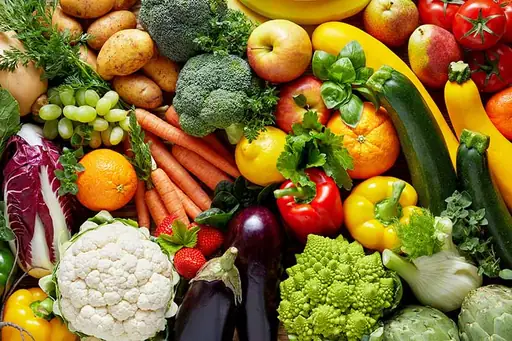
We’ve been told since we were young that eating carrots will help our eyesight… or maybe it was just my mom who said that?
There is some truth to this common recommendation because carrots, and several other types of vegetables, happen to be a good source of vitamin A.
Let’s take a closer look at what this essential nutrient has to offer:
What You’ll Learn
- What Is Vitamin A?
- How Vitamin A Helps Our Bodies
- Top Vegetable Sources
- Broccoli
- Carrot
- Pumpkin
- Spinach
- Sweet Potato
What Is Vitamin A?
Starting with the basics, let me explain what vitamin A is.
This fat-soluble vitamin is made up of several chemical compounds. There are two types commonly found in the human diet: preformed vitamin A that is mainly found in meat and animal products, and provitamin A carotenoids which are found in plants.
Preformed vitamin A compounds (including retinol, retinal, and retinoic acid) are the “active” forms of the vitamin, which can be utilized by your body without undergoing any conversion process.
Provitamin A carotenoids such as beta-carotene and beta-cryptoxanthin are “inactive” forms that your body needs to convert into retinol, the usable form.
A type of provitamin A carotenoid that you may have heard of is beta-carotene. This compound gives fruits and vegetables a reddish-orange hue, the typical color of most carrots, for example.
Other phytochemicals like lycopene, lutein, and zeaxanthin are also carotenoids, however, they are not converted to usable vitamin A in the body. They do bring their own unique health benefits and it is still good to include foods high in these compounds in your diet nonetheless!
The recommended daily allowance of vitamin A is 900 micrograms of RAE (retinol activity equivalents) for males aged 14 and up, and 700 micrograms for females of the same age range.
With so many different forms out there, measuring how much of the usable nutrient you will get from a given food can vary considerably.
One microgram RAE is equivalent to 1 microgram of retinol, 2 micrograms of supplemental beta-carotene, 12 micrograms of dietary beta-carotene, or 24 micrograms of dietary alpha-carotene or beta-cryptoxanthin.
How Vitamin A Helps Our Bodies
Getting adequate amounts of vitamin A in our diets is essential for several bodily functions.
It affects gene expression, meaning it works to bind to specific receptors that trigger our genes to make certain proteins. The proteins made can then be used in many processes throughout the body, to keep it functioning properly.
It also supports healthy immune function, plays a role in cell growth, and overall growth and development of the body.
Last but not least, as it is famously known for, vitamin A plays an essential role in our vision!
Retinal is actually a structural component of the rods and cones in the retina. The retina is the area of the eye that receives light, and induces reactions that allow us to see.
Adequate vitamin A intake is associated with a reduced impact of age-related macular degeneration (AMD), or in other words, a progressive worsening of vision as we age.
Ready to get out in the garden and grow your own source of vitamin A?
Top Vegetable Sources
So many homegrown vegetables are sources of provitamin A carotenoids, and they’re not all orange. Most dark leafy greens also contain significant levels of beta-carotene.
Here are a few of my favorites:
1. Broccoli
While this vegetable doesn’t bring an orange hue, it still provides a good source of vitamin A!
One cup of chopped cooked broccoli offers 120 micrograms of RAE, meeting over 13 percent of the recommended daily value.
Broccoli is also a good source of iron – another reason to add it to your cool-weather garden.
‘Waltham 29’ Broccoli
‘Waltham 29’ is an heirloom variety that produces large, blue-green heads on long stalks. It’s cold-tolerant and is ideal for eating fresh or to store in the freezer.
You can find seeds in a variety of packet sizes available at .
Learn more about how to grow broccoli in this guide.
2. Carrot
As previously mentioned, carrots are a great source of vitamin A. One medium carrot meets over 60 percent of the daily recommended value, with 509 micrograms of RAE.
Carrots are perfect to toss into smoothies and salads, grate into batter for homemade baked goods, or to serve as a simple steamed side dish.
‘Tendersweet’ Carrot
‘Tendersweet’ heirloom carrots are a deep orange color, with a tender texture and sweet flavor. Nine to ten-inch roots are ready for harvest after 65 days.
You can find seeds in a variety of packet sizes available from .
Learn how to plant and grow carrots in our guide.
3. Pumpkin
A classic fall favorite, pumpkin is an excellent source of this vision-boosting nutrient. One-half cup of canned pumpkin puree provides 950 micrograms RAE, meeting over 100 percent of daily needs.
Pumpkins are a versatile ingredient, and you can check out the best varieties for purees and pies, or learn more about our favorite pumpkins for cooking here.
‘Small Sugar’ Pumpkin
‘Small Sugar’ is an heirloom cultivar that produces 10-inch, bright orange gourds ready to harvest after 100 days.
As the name suggests, ‘Small Sugar’ has sweet, tender flesh.
You can find seeds available from .
Check out our guide to learn how to grow your own pumpkins.
4. Spinach
This leafy green is a good source of several different nutrients, and one cup of raw leaves provides 141 micrograms of RAE. At 20 percent of the daily value for women, this is a great option to toss into salads.
‘Bloomsdale Long Standing’ is an heirloom cultivar that provides an abundant harvest of deep green, tender leaves.
‘Bloomsdale Long Standing’ Spinach
This variety is slow to bolt and baby leaves can be picked for salads after 30 days and mature greens in 50 days.
You can find seeds in a variety of packet sizes available from .
Check out our spinach growing guide to learn more.
5. Sweet Potato
One medium sweet potato offers 1180 micrograms of RAE, well over the recommended daily amount!
‘Beauregard’ is a variety with deep red skin and rich orange flesh, full of beta-carotene.
‘Beauregard’ Sweet Potato
Mature and ready to harvest after 90 days, long, plump tubers have a sweet flavor.
You can find packets of 12 or 24 slips ready to plant available at .
And check out our guide for full instructions on how to plant and grow sweet potatoes.
A Clearer Vision
Now that you have a better vision of the importance of vitamin A, you can confidently add more of the top veggie sources to your garden, and your diet.
Homegrown vegetables have incredible flavor as well as outstanding nutritional content.
Do you grow any of these super sources in your garden? Let me know in the comments if you were surprised by any of the vegetables on this list!
For more info about vitamins and minerals in homegrown produce, check out these articles next:
- Get Your Daily Dose of B Vitamins with These Homegrown Vegetables
- Top 10 Reasons to Love Tomatoes and Add More to Your Diet
- Health Benefits of Mustard Greens
- X
The contents of this article have been reviewed and verified by a registered dietitian for informational purposes only. This article should not be construed as personalized or professional medical advice. Gardener’s Path and Ask the Experts, LLC assume no liability for the use or misuse of the material presented above. Always consult with a medical professional before changing your diet, or using supplements or manufactured or natural medications.




질문 및 토론