
How to grow eggplant
Seed to Harvest Growing Guide How to grow eggplant A practical guide to starting heat-loving eggplant indoors, transplanting into thoroughly warm soil, protecting tender growth, supporting fruit, and harvesting at peak gloss. Start warm for strong seedlingsWait for heat before transplantingCut.
Seed to Harvest Growing Guide
How to grow eggplant
A practical guide to starting heat-loving eggplant indoors, transplanting into thoroughly warm soil, protecting tender growth, supporting fruit, and harvesting at peak gloss.
Start warm for strong seedlingsWait for heat before transplantingCut glossy fruit while seeds are soft Shop eggplant seed →Start the guide ↓ Crop family: Solanaceae SeasonHot weatherFrost-tender annualStart indoors8–10 weeksBefore transplantingLightFull sunAt least 6 hoursSpacing18–24 inches30–36 inches between rowsHarvest55–80 daysOften from transplantingBefore you begin
Build the crop around sustained warmth.
Eggplant is even more sensitive to cold than tomato. Healthy seedlings can stall when planted into cool soil, so work backward from reliably warm nights and give the crop the sunniest, warmest part of the garden.
Best first decisionChoose a variety whose days to maturity and fruit size fit your warm season. Compact and slender-fruited types can be useful where summers or containers limit space and time.Build your eggplant-growing plan
Plan the transplant window, garden space, seed quantity, and target harvest.
Eggplant needs a long runway from indoor sowing through warm transplant conditions, so connect the expected harvest to the variety’s maturity.
When to start eggplantFind your local planting windowUse your ZIP code to connect indoor sowing with frost dates, warm soil, and nights reliably above 50°F.Check eggplant timing →Lay out the eggplant bedReserve the warmest full-sun spaceAllow airflow, access for harvest, and room for cages or stakes around fruit-laden branches.Plan the eggplant bed →How much eggplant seedCalculate the seed you needEstimate plants from bed length and spacing, then start a few extras for strong transplant selection.Calculate eggplant seed →Plan the harvest dateWork backward from peak harvestUse the target date with variety maturity and the indoor-start period to organize sowing and transplanting.Calculate eggplant timing →Eggplant at a glance
The path from seed to harvest
Select any milestone to jump directly to its full instructions.
01Start8–10 weeks before transplanting02Harden7–10 days before planting03TransplantAfter frost and soil reaches 60°F04GrowWarm summer weather05ProtectScout weekly06HarvestUsually 55–80 days from transplantStage 1–3
Raise stocky transplants and wait for warm soil
Root warmth, strong light, and an unhurried transition outdoors prevent the early setback eggplant struggles to overcome.
01Start indoors
Sow about 1/4 inch deep 8–10 weeks before the intended transplant date. Germinate near 80°F, then grow seedlings at roughly 65–75°F with bright light.
- Use sterile seed-starting mix and bottom heat if needed.
- Keep lights close enough to prevent stretching.
- Pot up before roots become crowded.
Select and harden
Choose stocky 5–8 inch plants with 6–9 leaves and no flowers or fruit. Harden them gradually for 7–10 days.
Do not plant by the calendar aloneWait until frost danger has passed, soil is at least 60°F, and nights reliably remain above 50°F. 03Transplant and support
Set plants at the same depth as their containers, 18–24 inches apart with 30–36 inches between rows.
- Water thoroughly after planting.
- Add mulch only after soil is warm.
- Install stakes or cages before branches carry fruit.
- Use temporary row cover for flea beetles, removing it at flowering.
Stage 4
Keep flowering and fruit growth steady
Even moisture, balanced fertility, warm roots, and supported branches help eggplant turn flowers into quality fruit.
WWater deeply
Supply roughly 1–2 inches weekly depending on soil and weather, keeping moisture even as fruit expands.
FFeed by the soil test
Use fertile organic-rich soil and side-dress after first fruit set if needed; excess nitrogen delays flowering.
SSupport branches
Tie stems loosely to stakes or use a cage so heavy fruit cannot split brittle branches.
HProtect heat balance
Warmth drives growth, but irrigate consistently and maintain leaf cover so extreme heat does not disrupt fruit quality.
Growth checkpoints
Know what to watch for.
Use plant response and fruit surface—not only the calendar—to time support, feeding, and harvest.
After transplantingActive new growth
Warm plants resume leaf growth instead of remaining pale, stiff, or stalled.
First flowersPollination
Purple star-shaped flowers stay attached and begin swelling into fruit.
Fruit enlargingSupport and water
Branches remain upright and soil moisture stays even through rapid expansion.
Full size for varietyGloss check
Harvest while skin shines and flesh springs back slightly under gentle pressure.
Stage 5
Diagnose eggplant problems early
Open a symptom to compare what you see, likely causes, and the next practical check.
PestFlea beetlesMany tiny shot holes on young leavesProtect transplants immediately with insect netting or row cover, seal the edges, mulch bare soil, control nightshade weeds, and rotate crops. Remove cover when flowering begins so pollinators can reach blooms.
PestSpider mitesPale stippling, bronzing, and fine webbingInspect leaf undersides during hot, dry weather. Reduce plant stress with consistent irrigation, rinse small colonies from foliage, conserve natural enemies, and use only treatments labeled for eggplant if pressure continues.
DiseaseVerticillium wiltLower leaves yellow, wilt, and develop brown lesionsThere is no cure for an infected plant. Remove severely affected plants, control weeds, avoid moving infested soil, and rotate away from susceptible nightshades. Choose resistant varieties where available and confirm the diagnosis before replanting.
Physiological disorderBlossom-end rotA tan-to-black sunken patch opposite the stemRemove damaged fruit and stabilize soil moisture with deep irrigation and mulch. Avoid root injury and excessive nitrogen; test soil before adding calcium because uneven water uptake is often the trigger.
Stage 6
Harvest while the skin is glossy
Eggplant is eaten immature. Fruit left too long becomes dull, seedy, spongy, and sometimes bitter even though it continues growing.
- Check: Match the variety’s expected size, then look for glossy skin and firm flesh that yields slightly to pressure.
- Cut: Use clean pruners, leaving a short stem and the green cap attached; wear gloves if the calyx is spiny.
- Store: Handle gently, keep cool but not excessively cold, and use promptly for the best texture.
Choose with purpose
Match eggplant shape and maturity to your garden
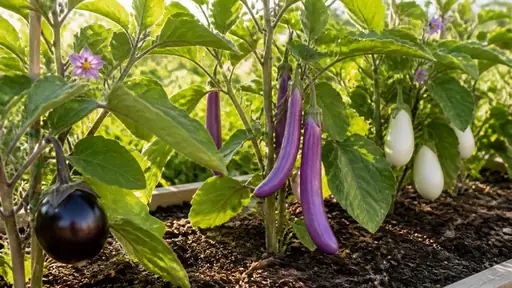
Compare a classic globe, a productive white type, and a slender Asian-style fruit for cooking use, season length, and space.
Classic globeBlack BeautyGrow a traditional glossy deep-purple oval fruit for roasting, baking, and dependable garden harvests.Shop Black Beauty →Early white fruitCasperChoose distinctive creamy-white 5–7 inch fruit and an earlier harvest for a shorter warm season.Shop Casper →Slender specialtyBrideHarvest long white-and-purple fruit young for tender flesh, delicate flavor, and versatile cooking.Shop Bride →Questions gardeners ask
Eggplant growing FAQ
Quick answers for starting seed, transplanting, warmth, spacing, flowering, containers, problems, and harvest.
When should eggplant seed be started indoors?Start 8–10 weeks before the intended outdoor transplant date. Germinate near 80°F and provide strong light immediately after emergence.
When can eggplant be transplanted outside?Wait until all frost danger has passed, soil is at least 60°F, and nighttime temperatures reliably stay above 50°F. Cold soil can stall plants for weeks.
How deep should eggplant seed be planted?Sow about 1/4 inch deep in sterile seed-starting mix. Keep the mix evenly moist and warm, but never waterlogged.
How far apart should eggplants be spaced?Space most plants 18–24 inches apart with 30–36 inches between rows. Compact or small-fruited varieties may tolerate closer spacing if airflow remains good.
Does eggplant need full sun?Yes. Provide at least 6 hours of direct sun, with 8–10 hours preferred for strong flowering and fruit production.
Why are my eggplant flowers falling off?Cold nights, extreme heat, low light, drought, excess nitrogen, or poor pollination can interrupt fruit set. Keep plants evenly watered and avoid transplanting before sustained warmth.
Should eggplant be staked?Staking or caging is helpful, especially for globe varieties with heavy fruit. Install support at transplanting so later work does not damage roots.
Why are there tiny holes in eggplant leaves?Numerous small round shot holes usually indicate flea beetles. Cover young transplants promptly and seal the cover edges until plants begin flowering.
Can eggplant grow in containers?Yes. Choose a compact or small-fruited variety, use one plant in a container of roughly 5 gallons or larger, provide support and full sun, and monitor water daily in hot weather.
How can I tell when eggplant is ready to pick?Harvest at the expected variety size while skin is glossy and flesh feels firm but yields slightly. Dull skin and hard mature seeds indicate overmaturity.
Can overripe eggplant stay on the plant?Remove it. Old fruit diverts energy from new flowers and becomes dull, seedy, and spongy. Frequent harvest encourages continued production.
How should harvested eggplant be stored?Handle fruit gently because it bruises easily. Keep it cool but avoid prolonged refrigerator-level cold, and use it within several days for best quality.
Ready to plant?
Choose eggplant for your garden.
Compare globe, Asian, white, striped, compact, early, heirloom, and hybrid varieties for your growing season and kitchen.
Shop all eggplant seed →
질문 및 토론